
Borosilicate glass
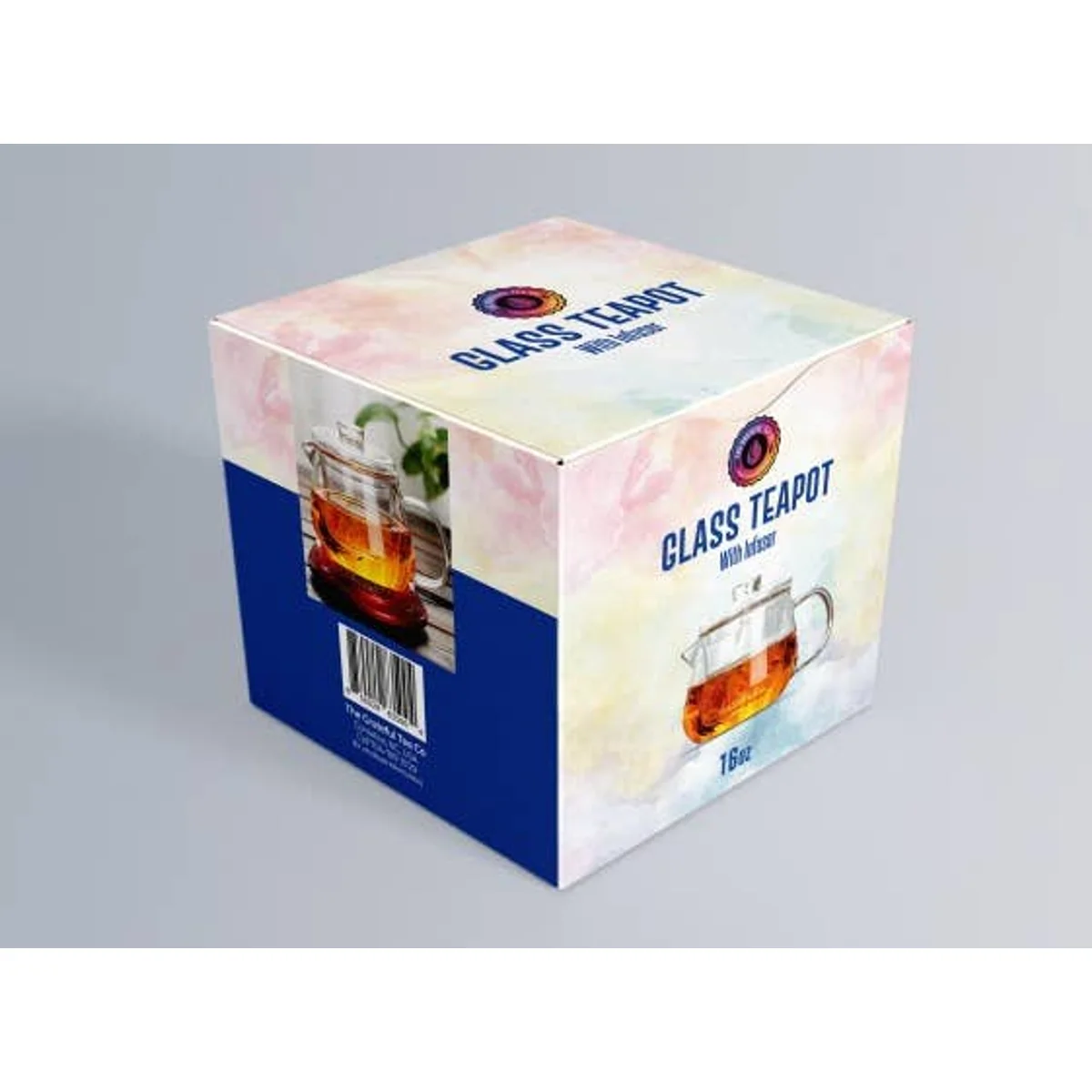
On the box: Borosilicate glass · Glass
What it is
Glass with boron oxide added, which gives it a low expansion rate and good resistance to thermal shock: lab glass, many pour-over drippers, teapots and European bakeware. Can still break from a sudden extreme change.
Glasss: Glass for the oven, the microwave and the table. The type of glass sets how it handles a change in temperature (thermal shock) and how it breaks.
Wikidata: Type of glass with silica and boron trioxide as the main glass-forming constituents. Q1422588 →
In the research
50 PubMed papers mention it with cookware, food contact, migration or food safety; the three most recent:
- Early indicators of glass delamination in pharmaceutical borosilicate vials under alkaline stress conditions · Journal of pharmaceutical sciences, 2026
- Structural characterization of uranium and lanthanide loaded borosilicate glass matrix · Scientific reports, 2025
- Strontium immobilization in alkali-borosilicate matrices prepared from industrial waste glass grit: Insights into hydraulic durability and microstructural alterations · Applied radiation and isotopes : including data, instrumentation and methods for, 2025
A paper is a paper, not a verdict: titles are listed so you can read them, and a study on one fabric or one filter says little about the pan on your stove.
Products whose listing names it
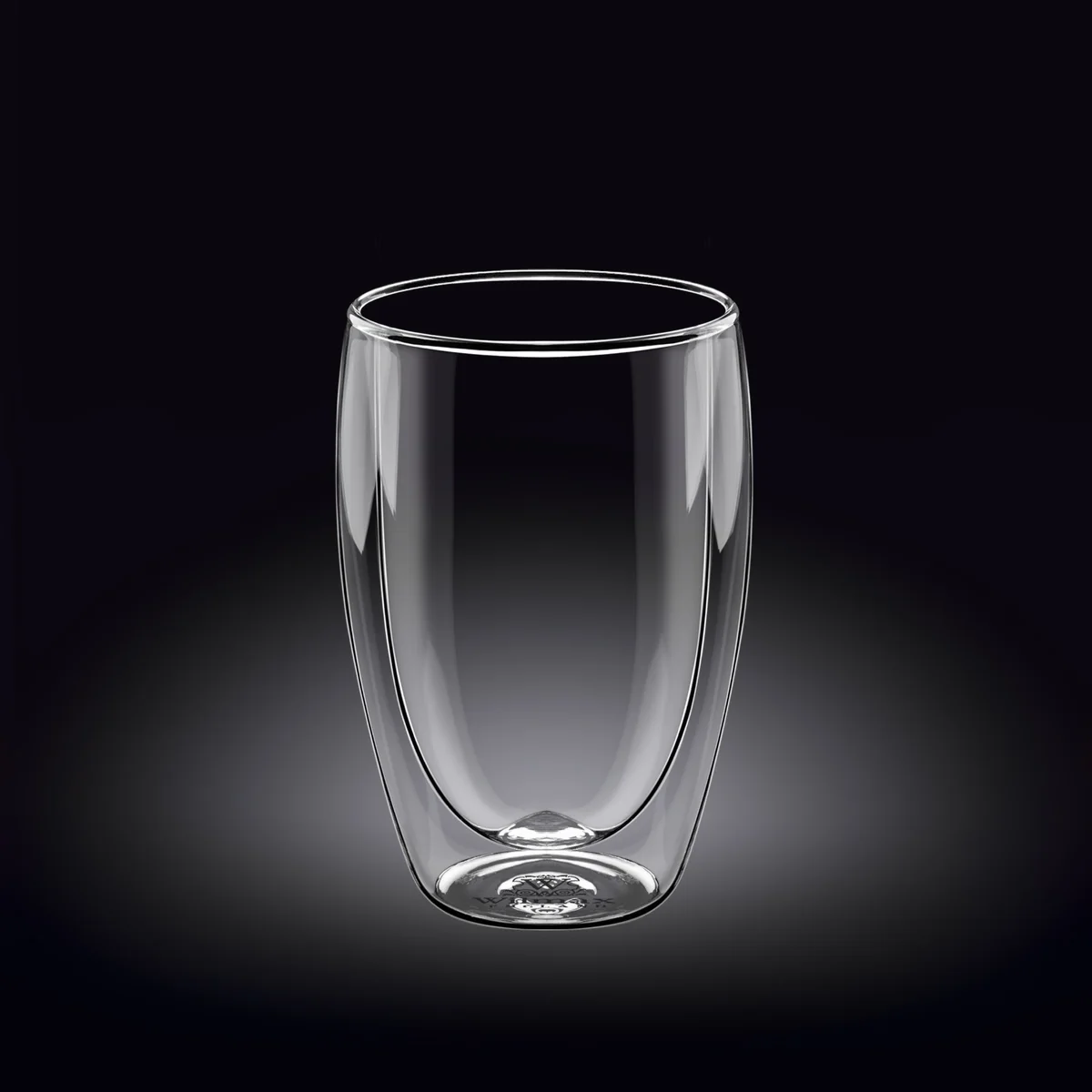
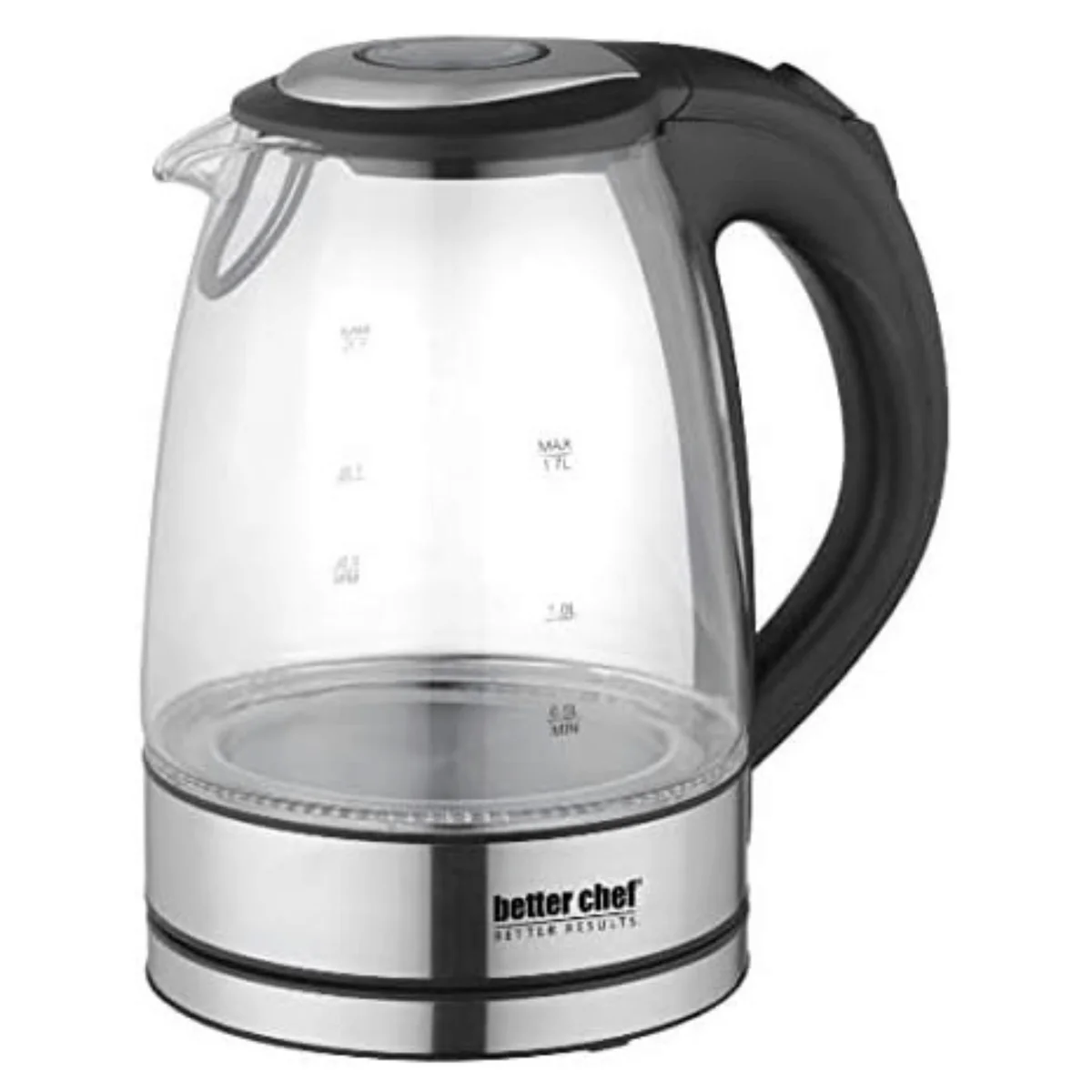
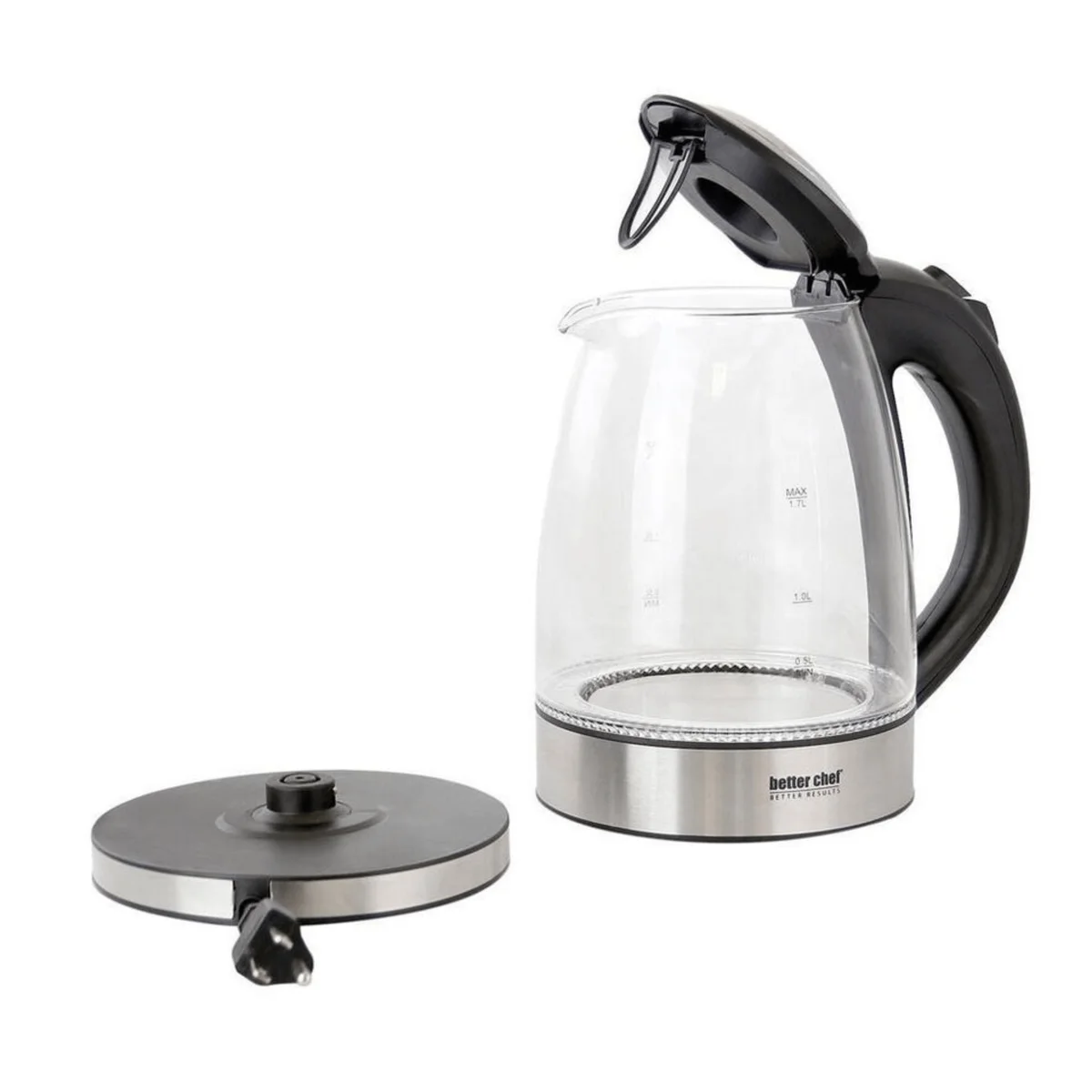
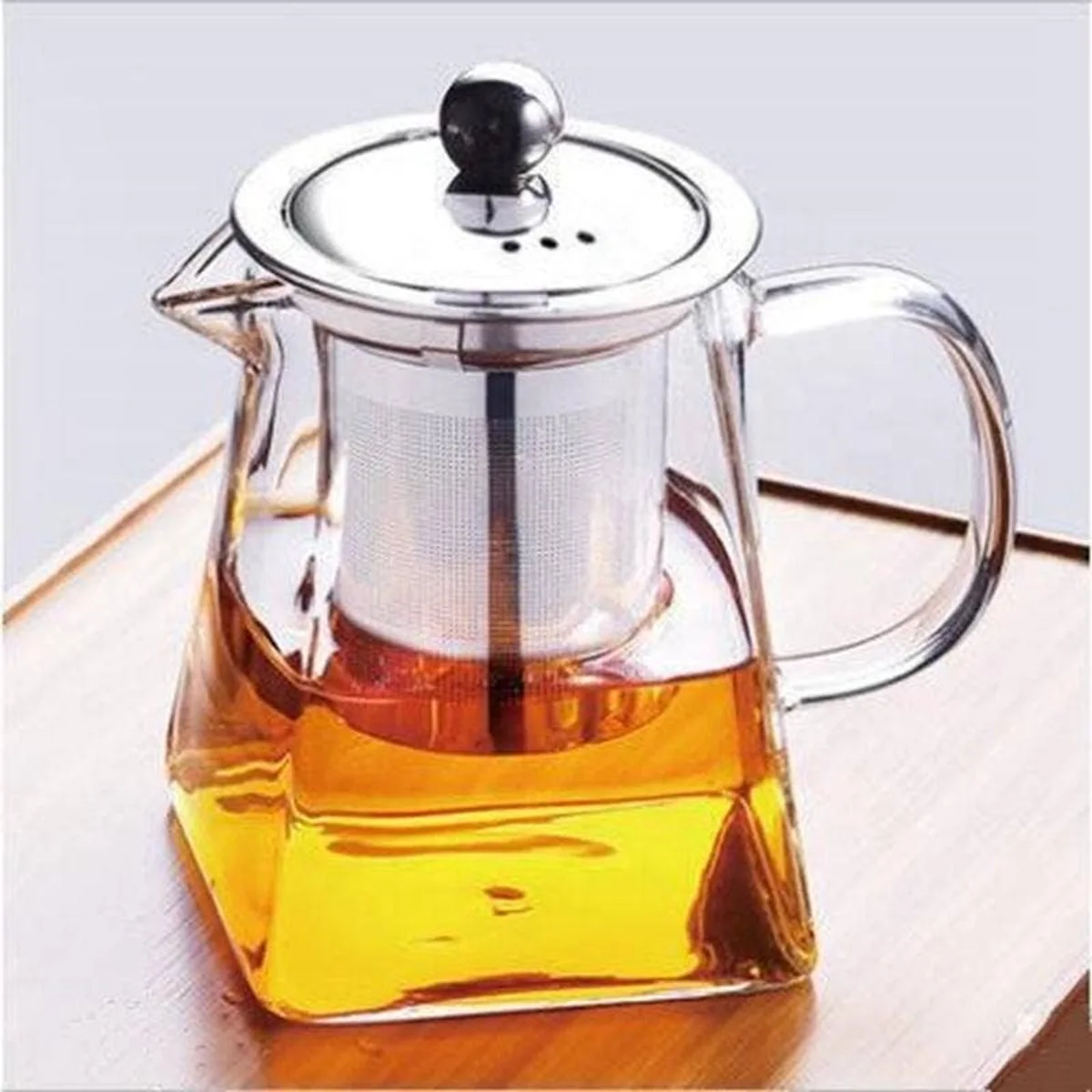
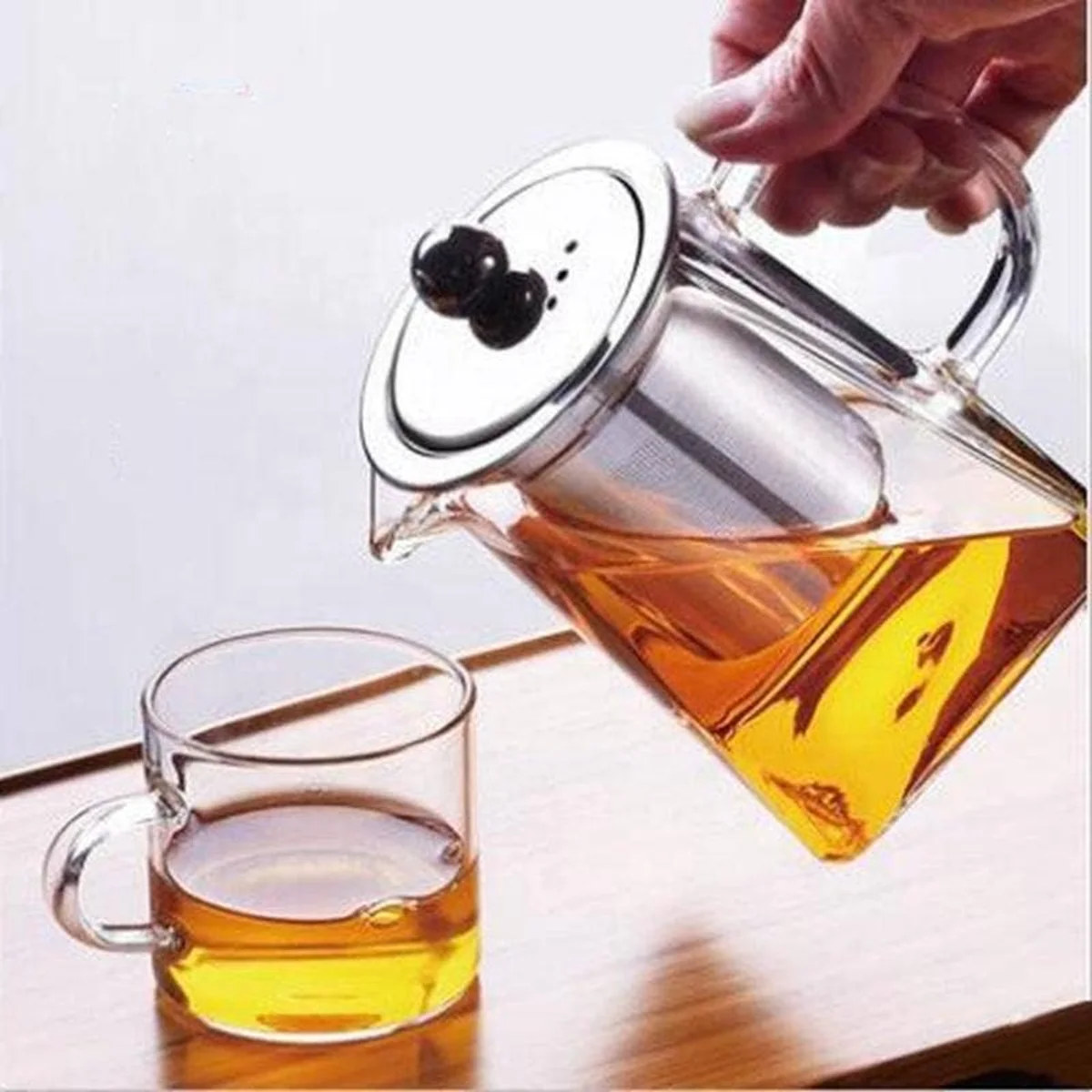
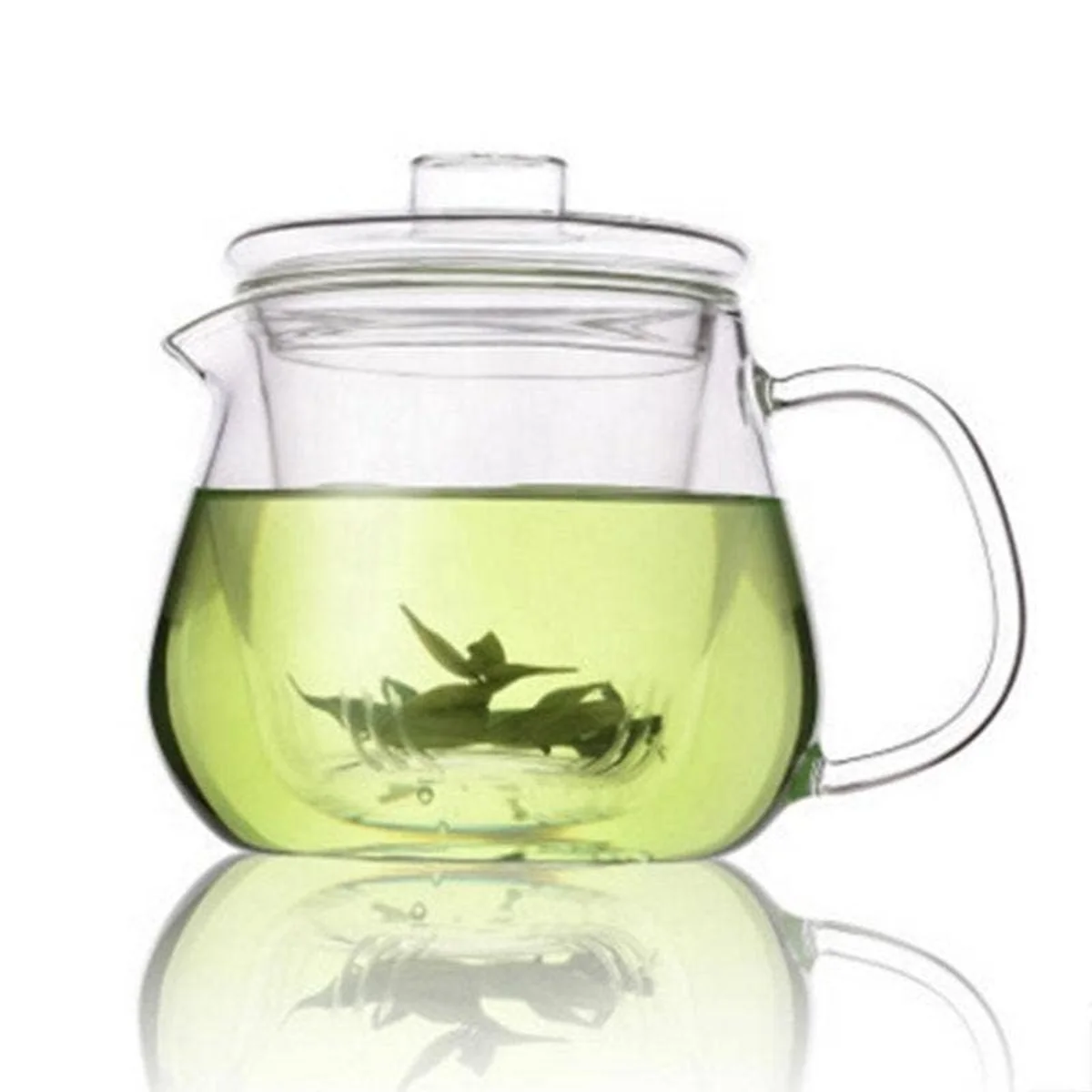
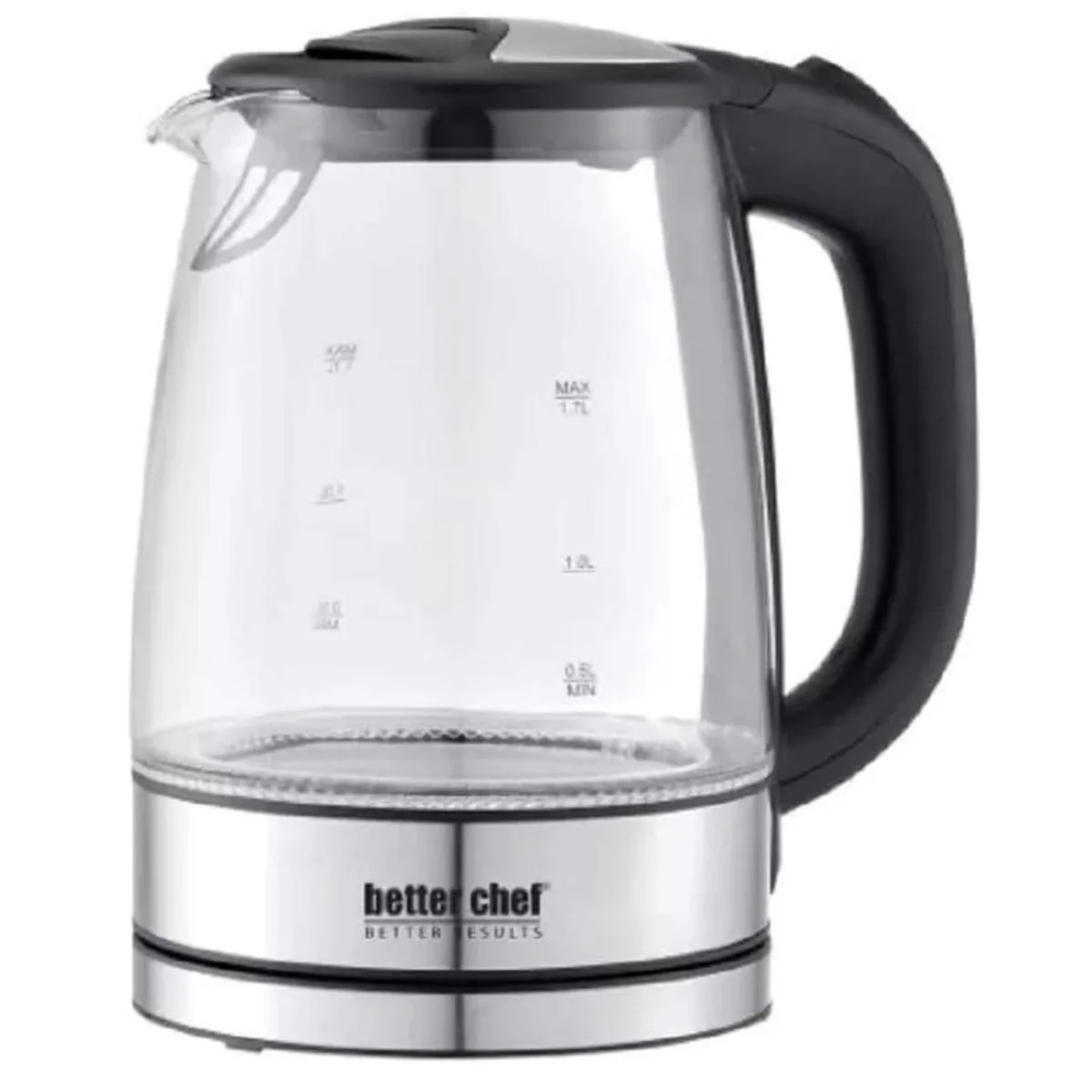
7 on the siteMatched from the words in the supplier's listing; the full material line is on each product page.

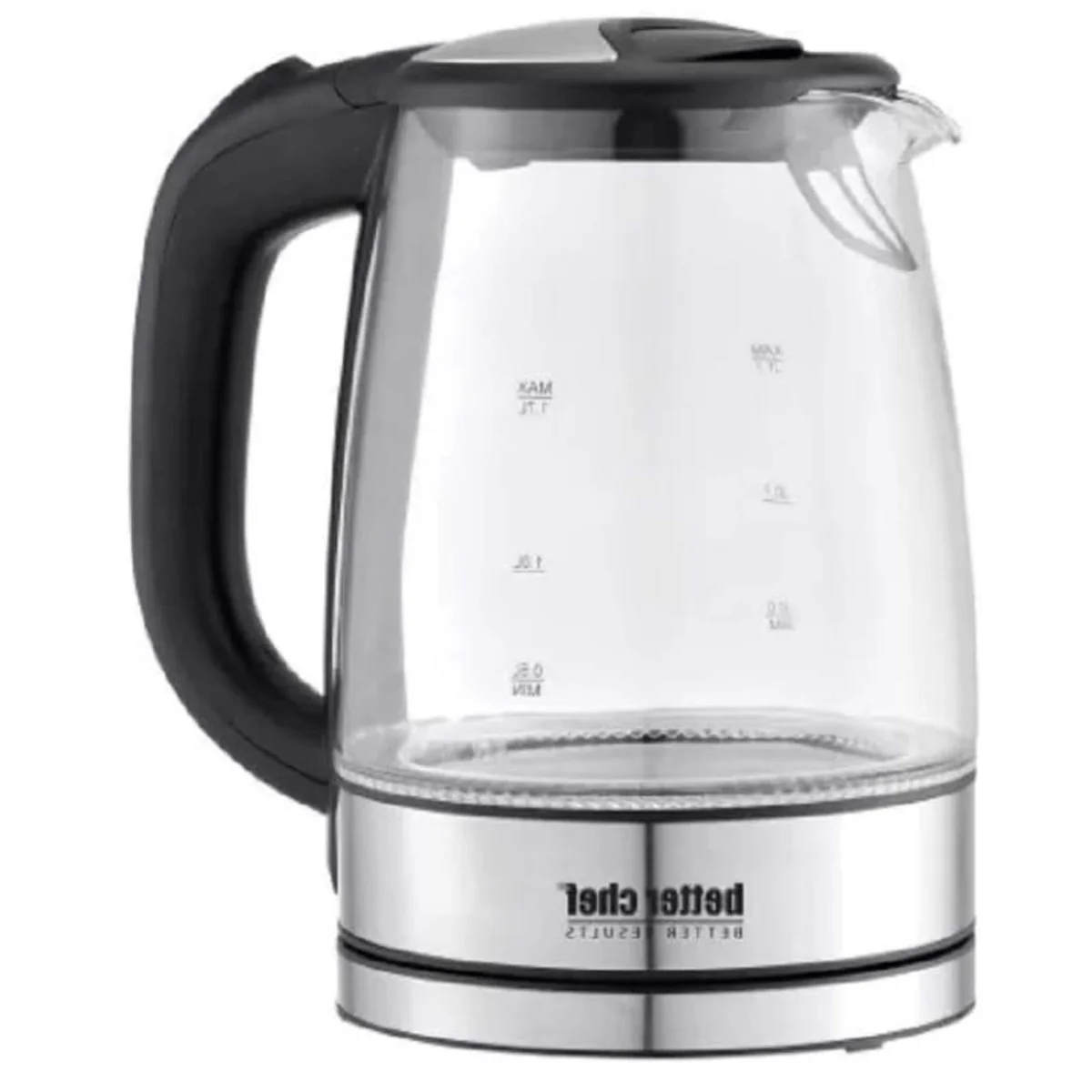
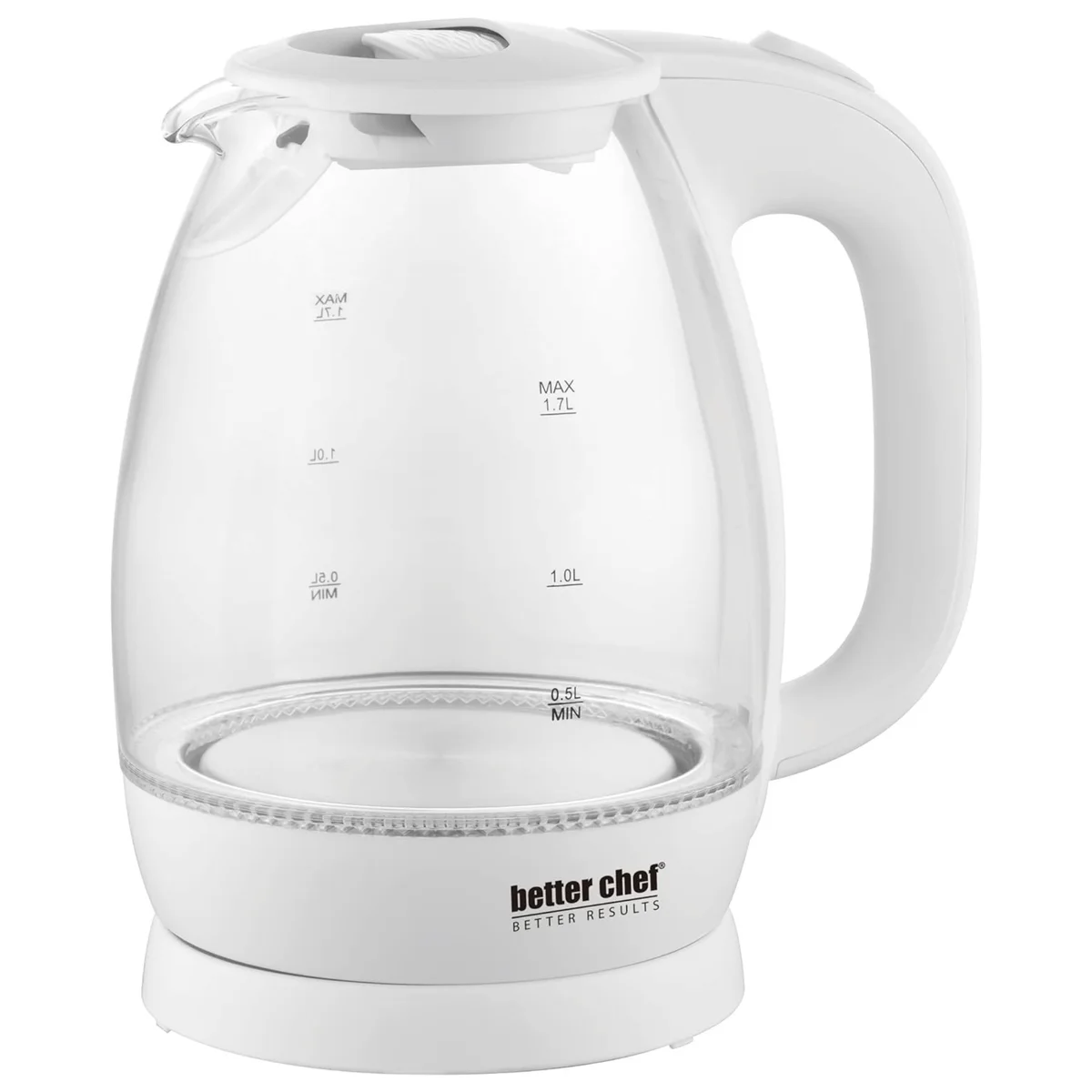
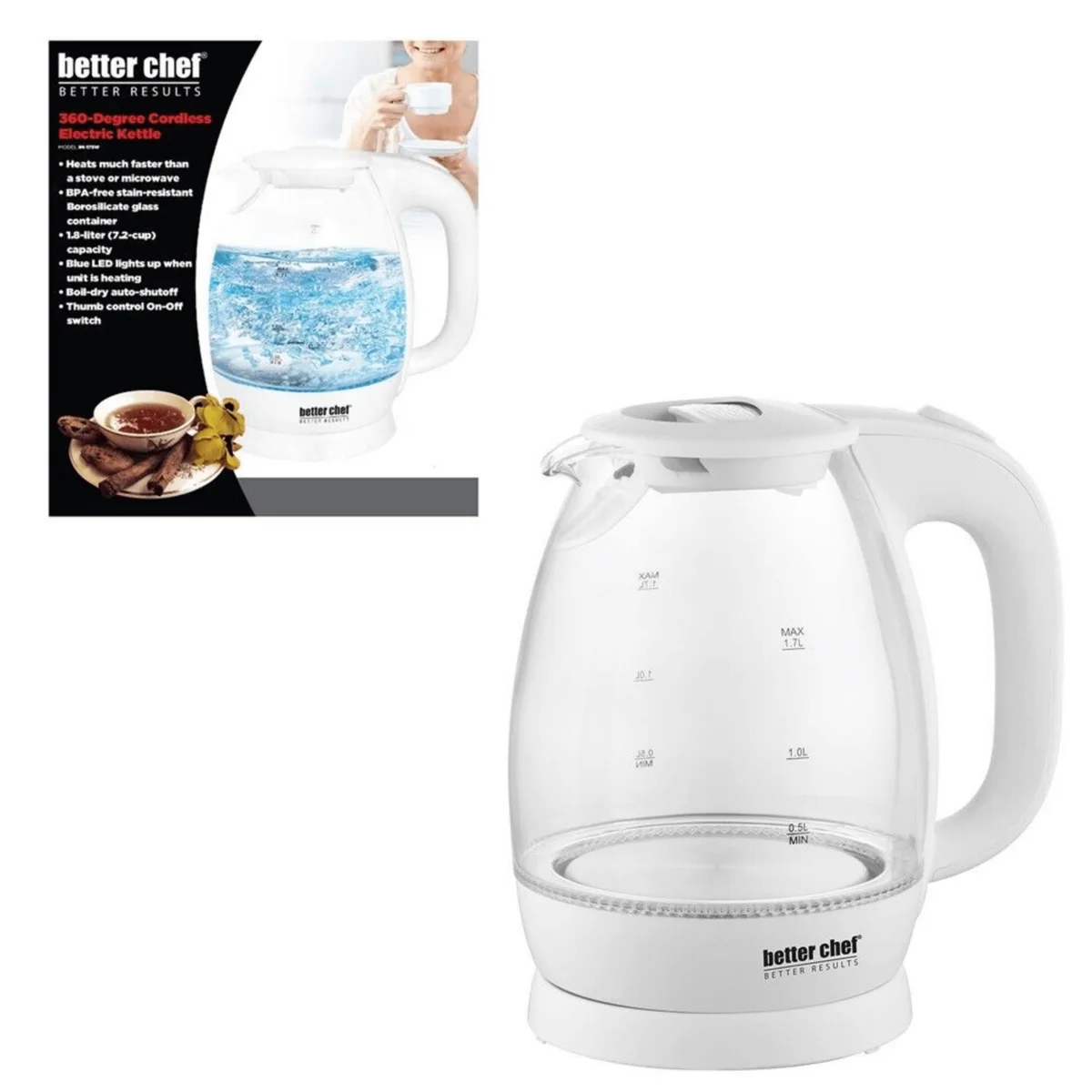
Other glasss
Whisk & Kettle describes materials and label claims from the public record and does not test cookware; what a listing states is the supplier's statement. The FDA regulates food-contact materials and the USDA sets the food-safety figures; nothing here is medical or dietary advice.