
Materials glossary / Plastics and silicone
Melamine
On the box: Melamine resin · Plastics and silicone
What it is
Hard, glossy, shatterproof tableware plastic. The FDA considers it safe for serving but says not to microwave it or hold very hot or acidic food in it, because the resin can migrate at high temperature.
Plastics and silicones: Food-contact plastics, by resin and by the recycling number on the base. Each has a temperature it softens at, a list of foods it should not hold hot, and a label claim (BPA-free, microwave-safe) that means something specific.
Wikidata: Chemical compound. Q212553 →
In the research
290 PubMed papers mention it with cookware, food contact, migration or food safety; the three most recent:
- Has China's dairy market recovered from the 2008 melamine scandal? Quantitative evidence and policy implications · JDS communications, 2026
- Narratives and Risk: How Stories Shape Perceptions Regarding the Food Safety of Dairy Products, a Narrative Review · Journal of food protection, 2026
- Enhanced Photocatalytic H2O2 Production over CuO@g-C3N4 Heterojunctions: Interfacial Effects with DFT Insights · Langmuir : the ACS journal of surfaces and colloids, 2026
A paper is a paper, not a verdict: titles are listed so you can read them, and a study on one fabric or one filter says little about the pan on your stove.
Products whose listing names it
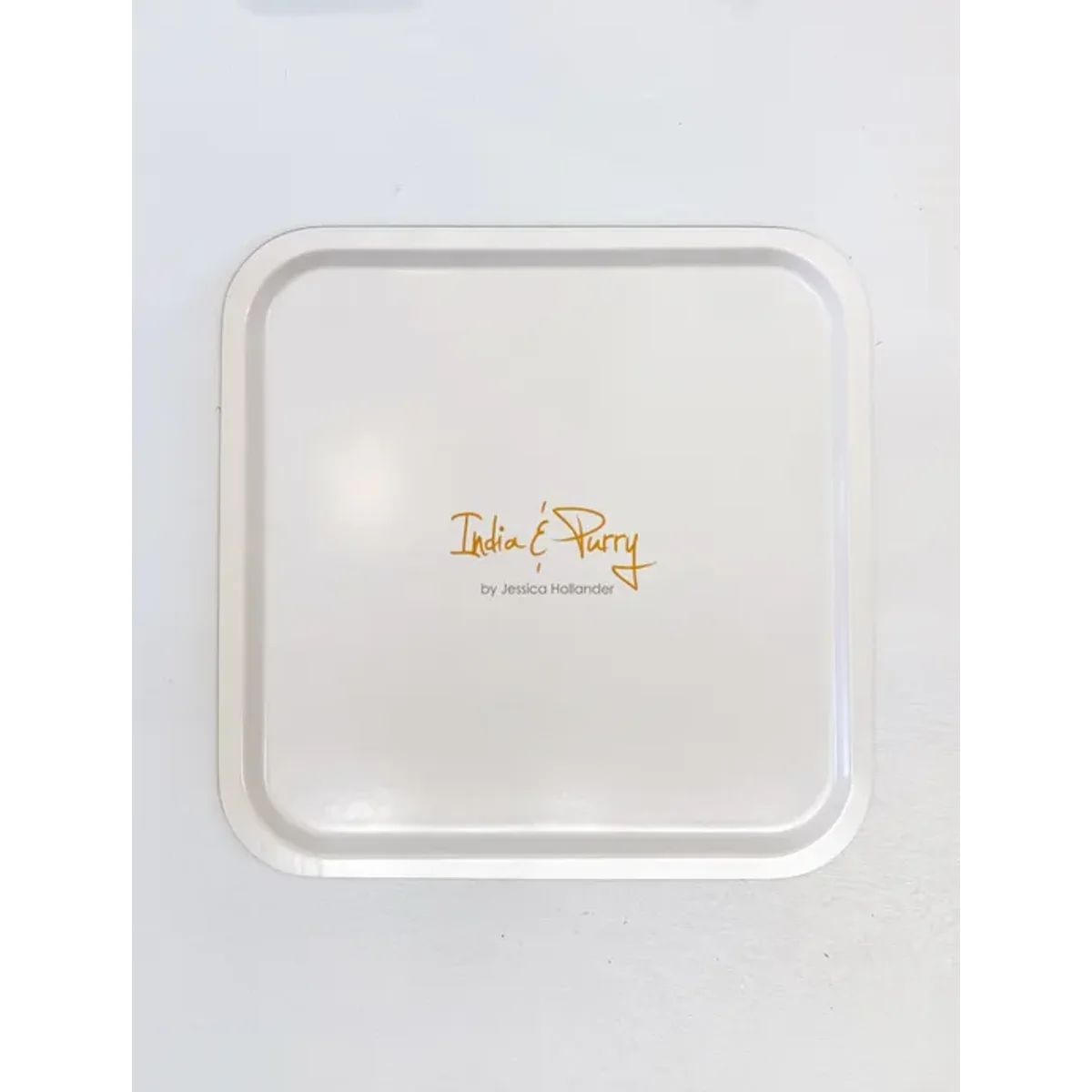
1 on the siteMatched from the words in the supplier's listing; the full material line is on each product page.

Other plastics and silicones
Whisk & Kettle describes materials and label claims from the public record and does not test cookware; what a listing states is the supplier's statement. The FDA regulates food-contact materials and the USDA sets the food-safety figures; nothing here is medical or dietary advice.