
304 stainless steel
On the box: AISI 304 · Metals
What it is
The standard food-grade austenitic stainless, the alloy behind most '18/8' and '18/10' labels. Non-magnetic in itself; a 304 pan needs a magnetic base layer to work on induction.
Metalss: The metals pots, pans and tools are made of. Each conducts heat differently (copper and aluminum fast, stainless and cast iron slow and even), reacts or not with acidic food, and asks for its own care.
Wikidata: Austenitic stainless steel widely used for its corrosion resistance, formability, and durability. Q139493230 →
In the research
15 PubMed papers mention it with cookware, food contact, migration or food safety; the three most recent:
- Nutritional matrix shifts the temperature-salinity response of biofilm formation by Salmonella Heidelberg and Listeria monocytogenes on stainless steel · International journal of food microbiology, 2027
- A Three-Dimensional Interlocked Heterojunction Photoanode for Sustainable Metal Corrosion Control in Marine Environments · Nanomaterials (Basel, Switzerland), 2026
- TiO(2)/CdZnS/Bi(2)S(3) Multiheterojunction Photoanode with Multisynergistic Oxygen Vacancy-Induced Charge Storage Mechanisms for Photoelectrochemical Cathodic Protection · The journal of physical chemistry letters, 2025
A paper is a paper, not a verdict: titles are listed so you can read them, and a study on one fabric or one filter says little about the pan on your stove.
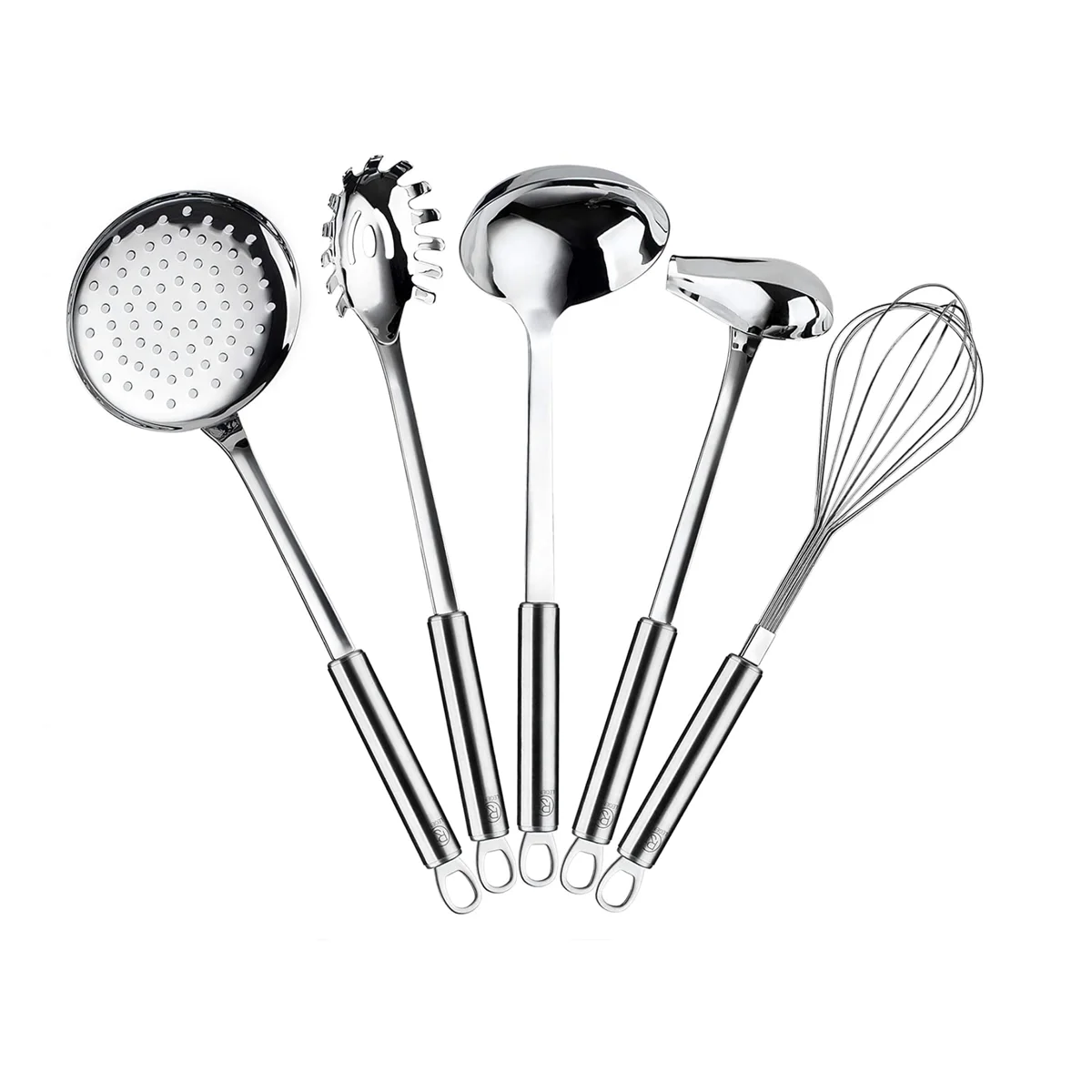
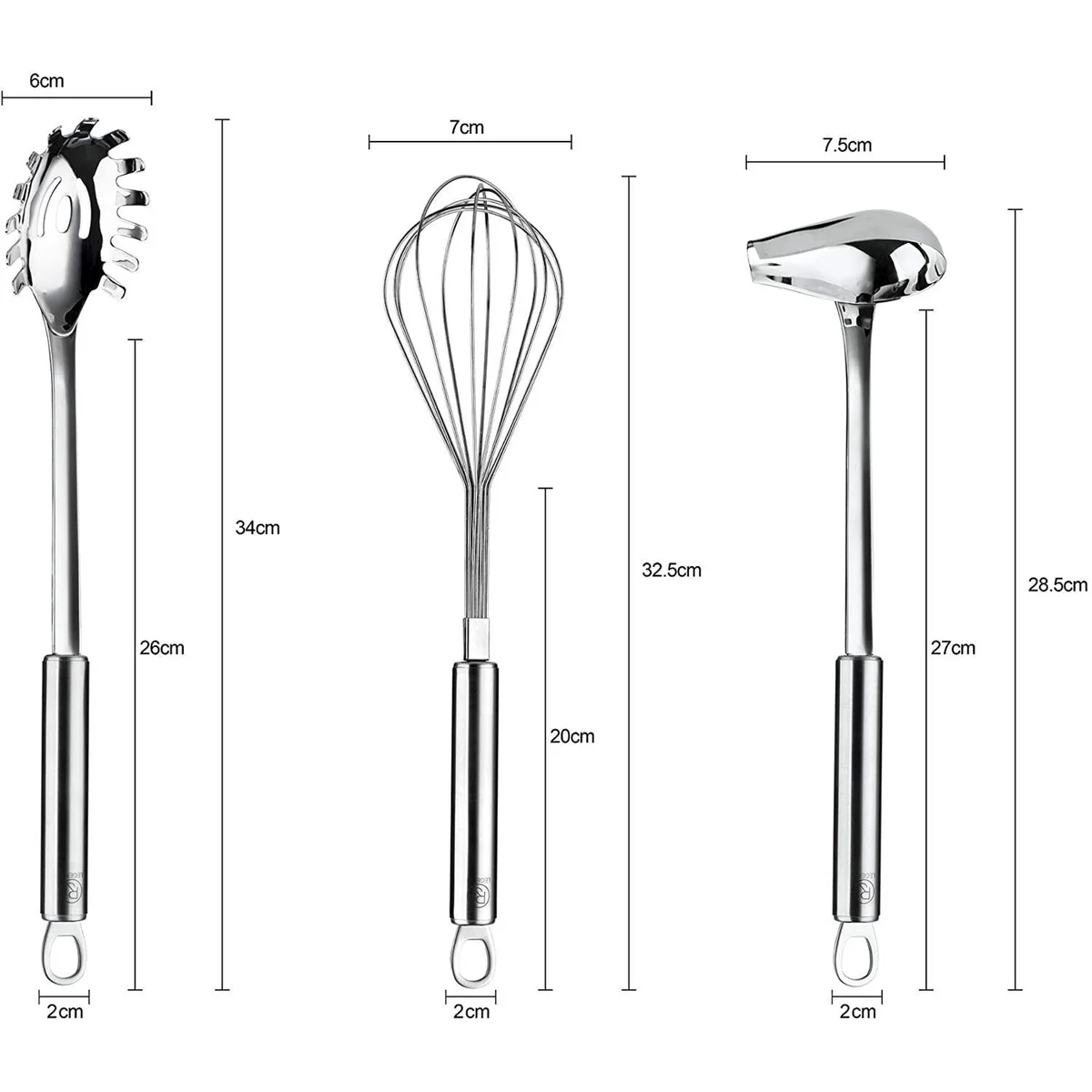
Products whose listing names it
2 on the siteMatched from the words in the supplier's listing; the full material line is on each product page.
 Made in the USA

Other metalss
Whisk & Kettle describes materials and label claims from the public record and does not test cookware; what a listing states is the supplier's statement. The FDA regulates food-contact materials and the USDA sets the food-safety figures; nothing here is medical or dietary advice.