
Aluminum
On the box: Aluminum (cookware) · Metals
What it is
Light, cheap and the second-best heat conductor in the kitchen after copper. Bare aluminum reacts with acidic and salty food and discolors in the dishwasher, which is why most aluminum pans are anodized, clad in stainless or coated.
Metalss: The metals pots, pans and tools are made of. Each conducts heat differently (copper and aluminum fast, stainless and cast iron slow and even), reacts or not with acidic food, and asks for its own care.
Wikidata: Metallic chemical element of silvery appearance with symbol Al and atomic number 13. Q663 →
In the research
1,305 PubMed papers mention it with cookware, food contact, migration or food safety; the three most recent:
- Resource Recovery From Spent Lithium Iron Phosphate Batteries via Low-Temperature Lithium Extraction · Global challenges (Hoboken, NJ), 2026
- Low-Temperature Al-Migration Module for SACM Ge-on-Si Photodiodes · Sensors (Basel, Switzerland), 2026
- Synergistic thermal transformation of spent potlining into solid recovered fuel: gas-solid interphase fractionation suppression and in-situ cuspidine (Ca(4)Si(2)O(7)F(2)) lattice m · Waste management (New York, N.Y.), 2026
A paper is a paper, not a verdict: titles are listed so you can read them, and a study on one fabric or one filter says little about the pan on your stove.
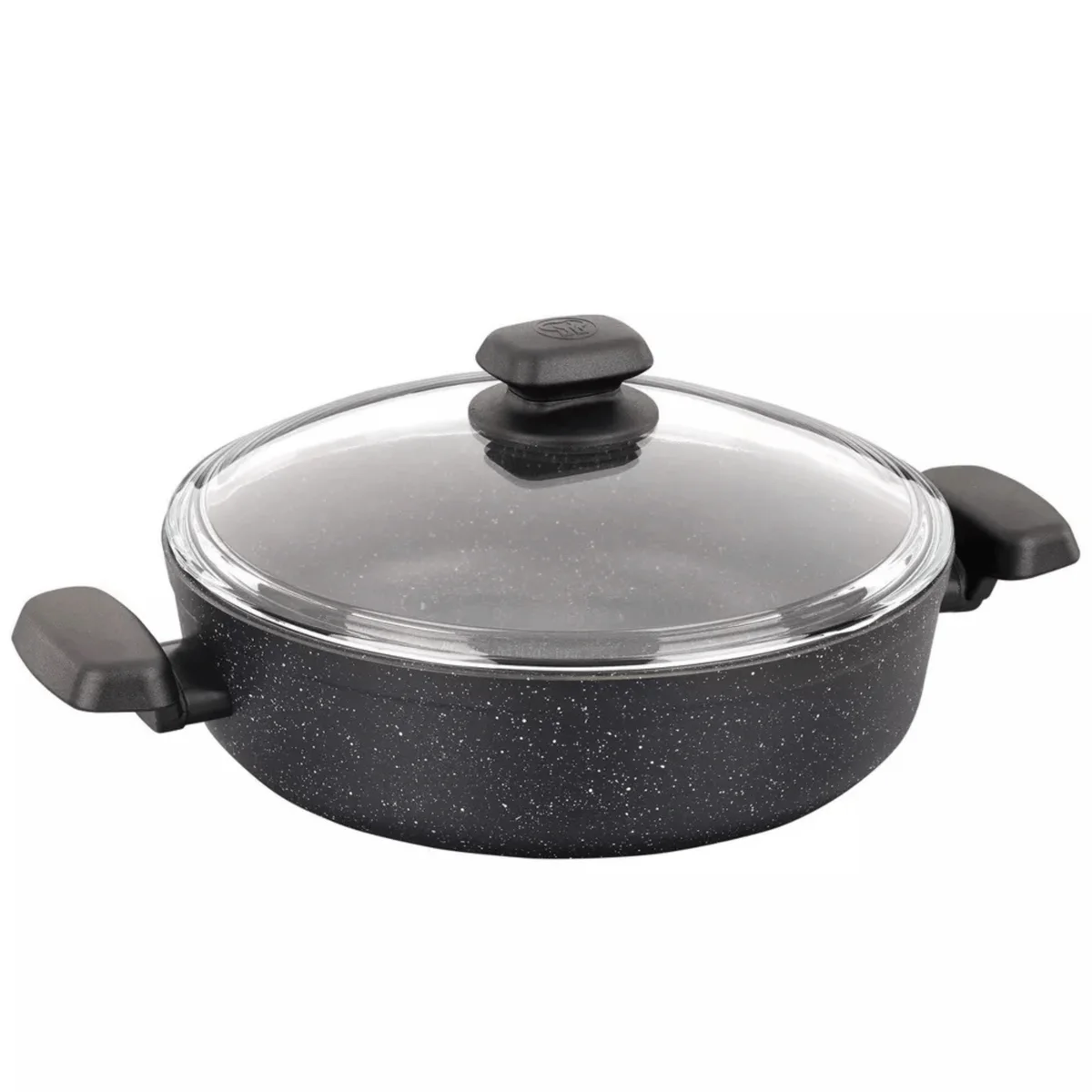
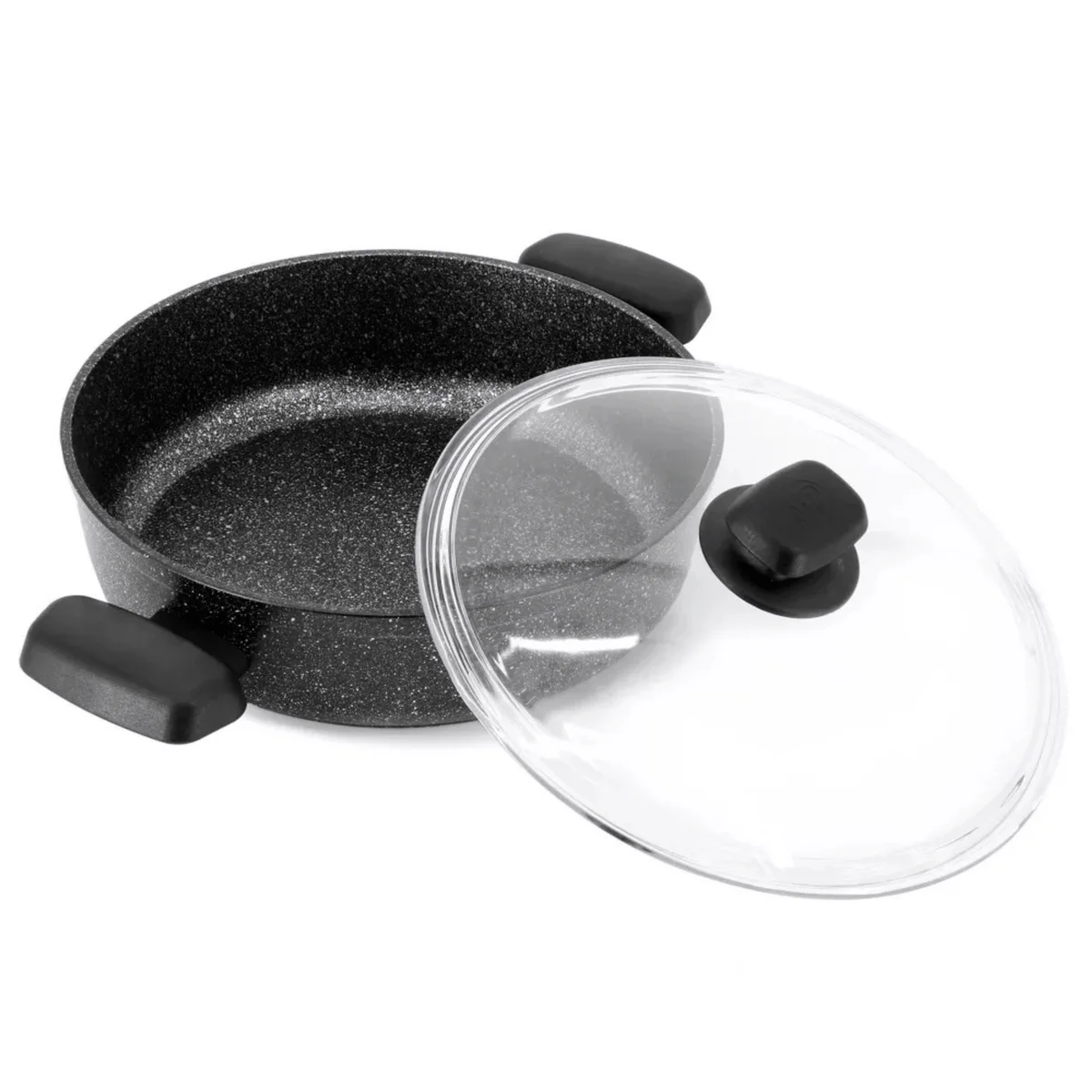
Products whose listing names it
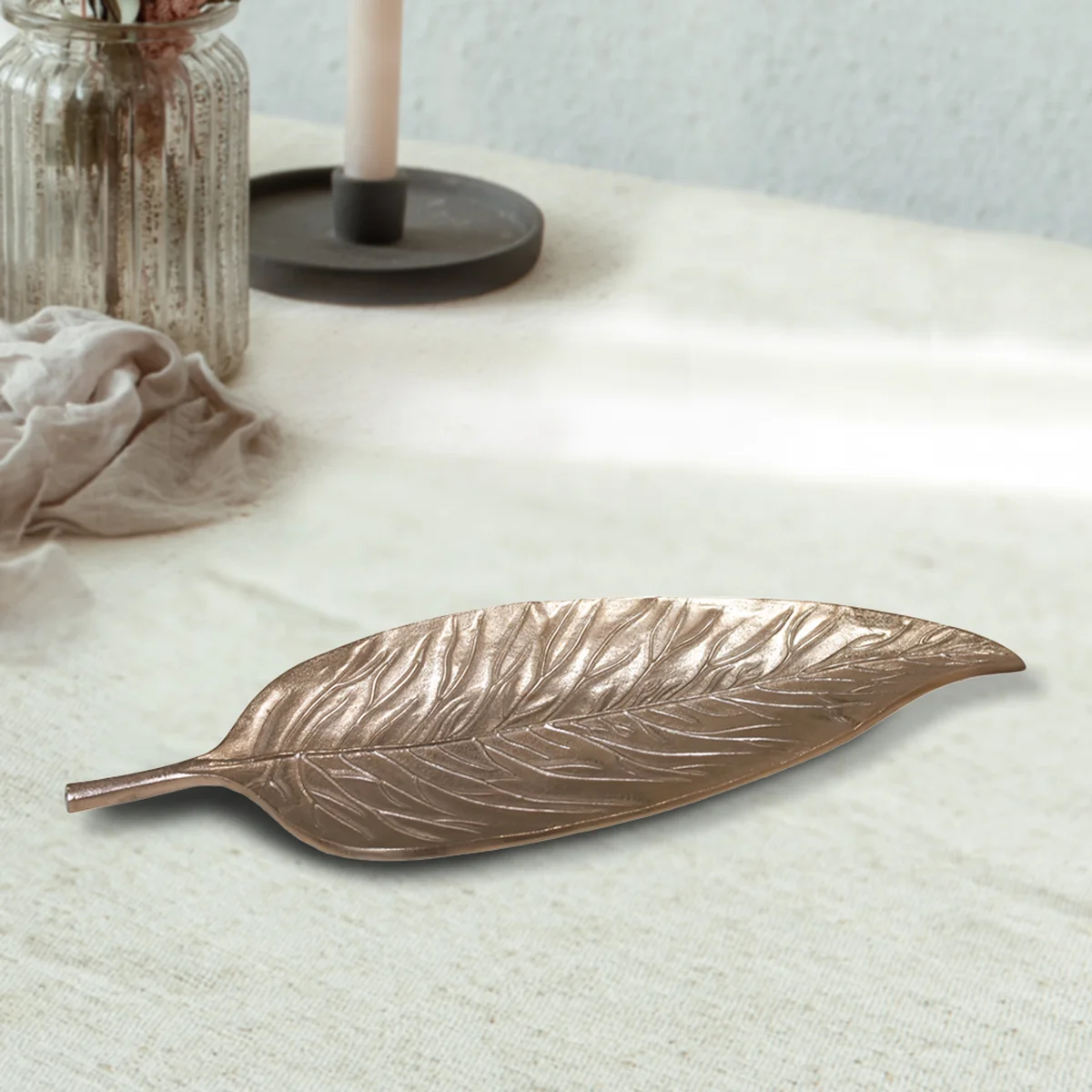
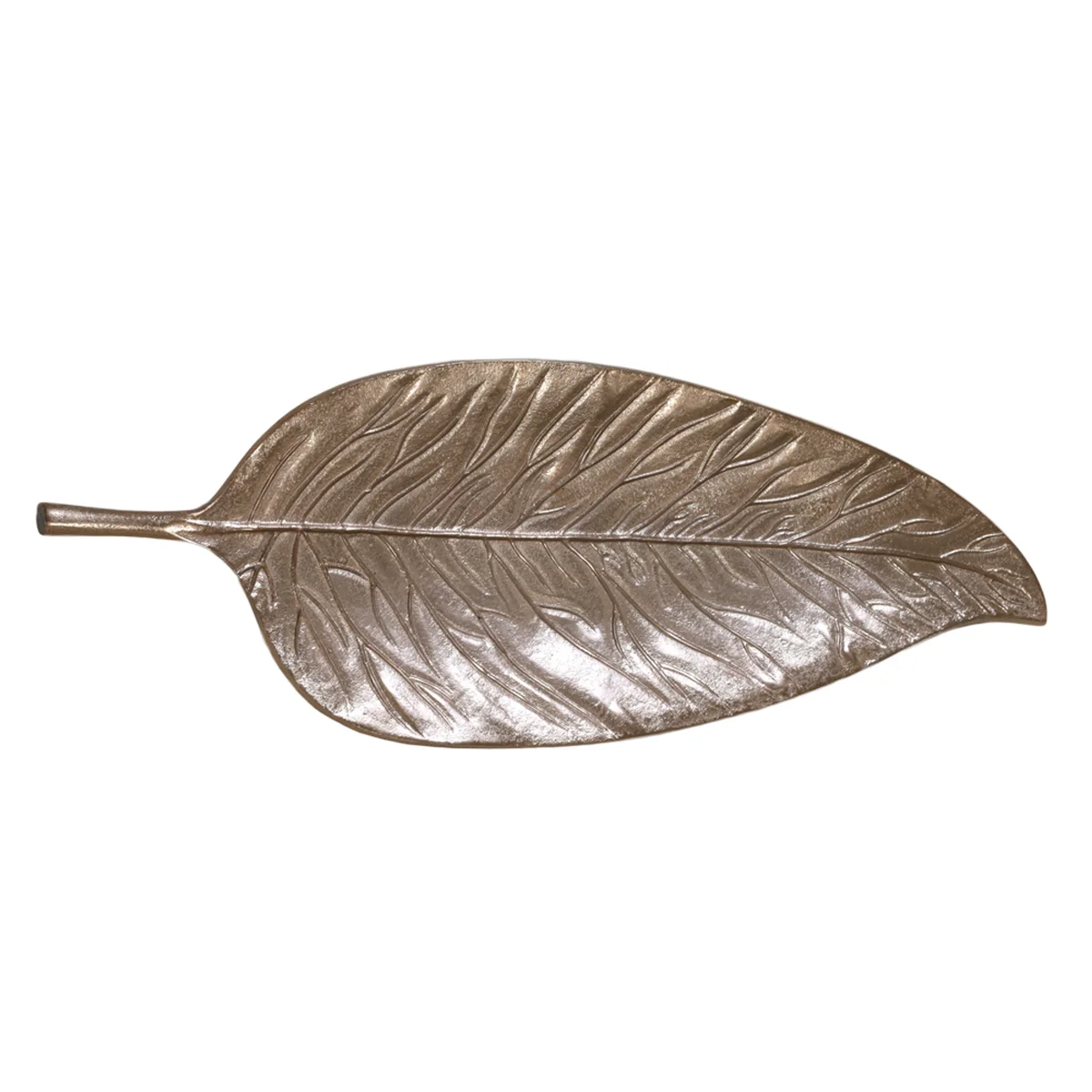
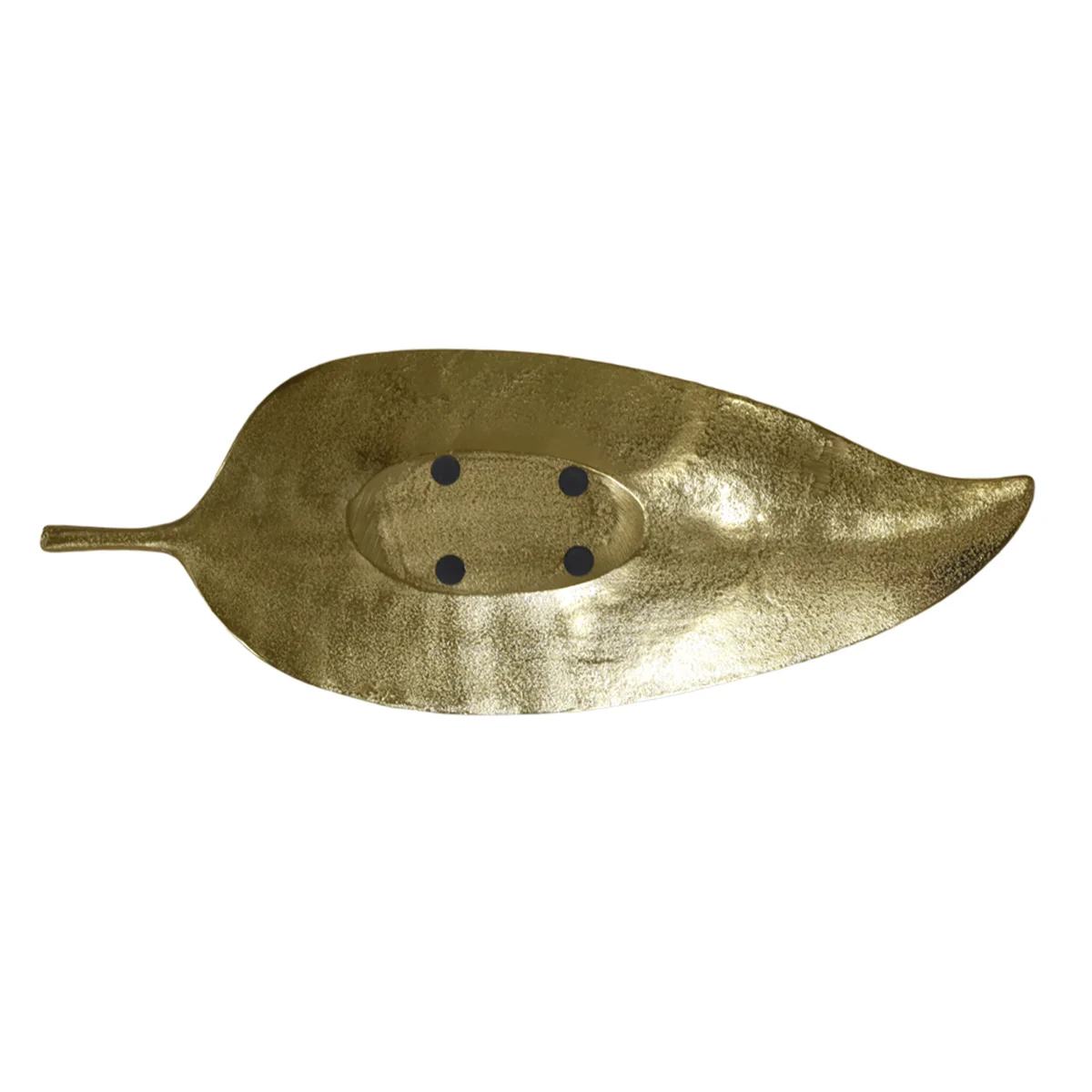
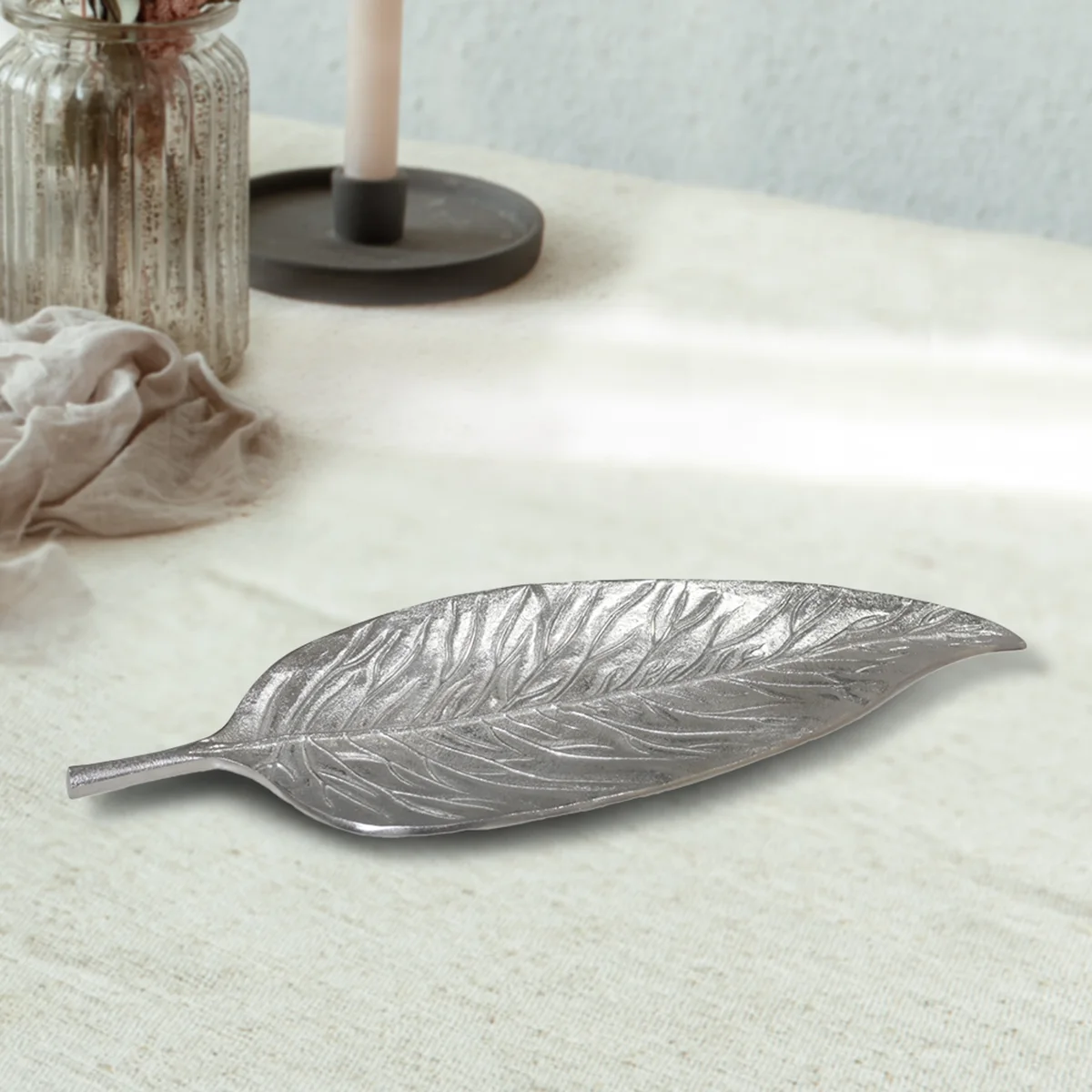
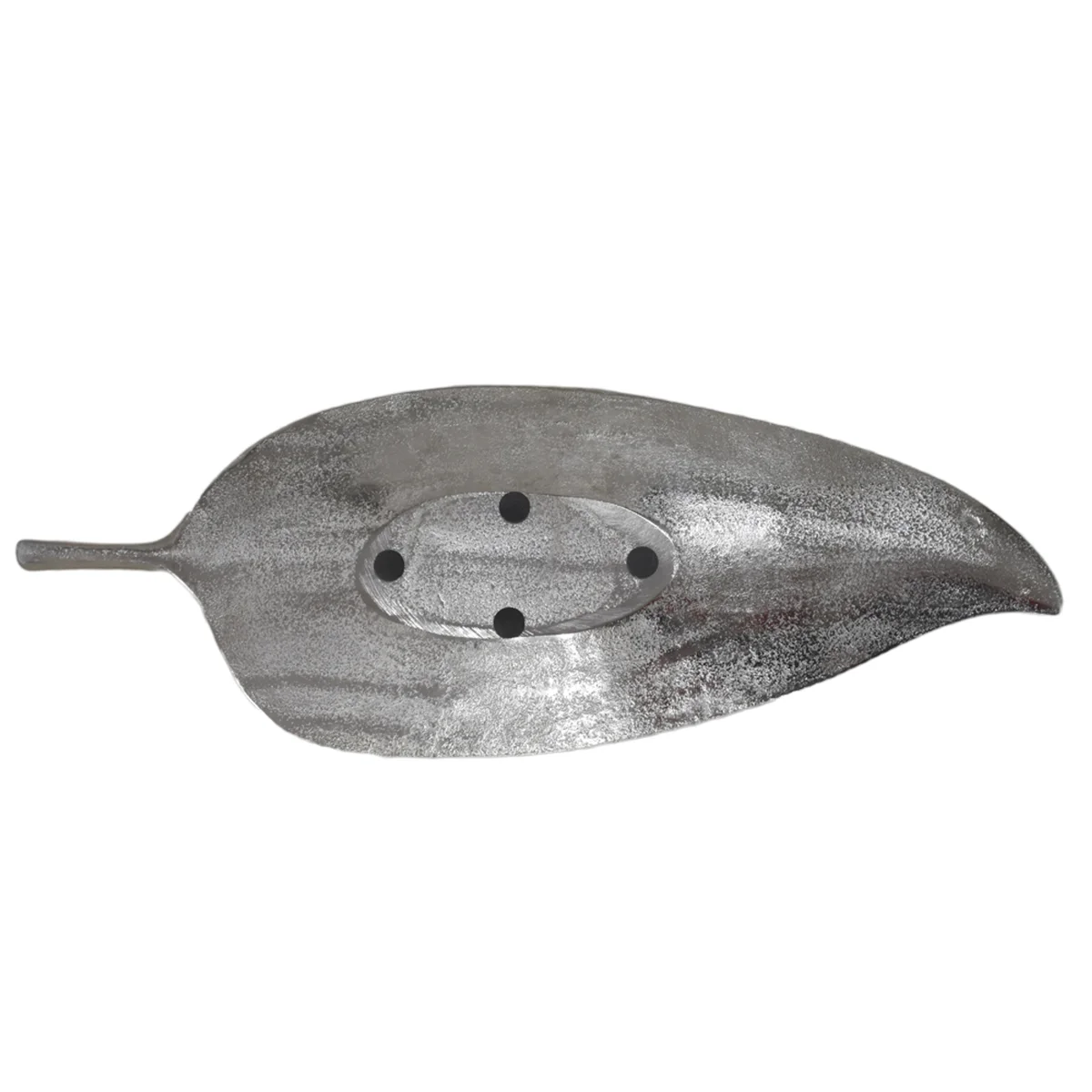
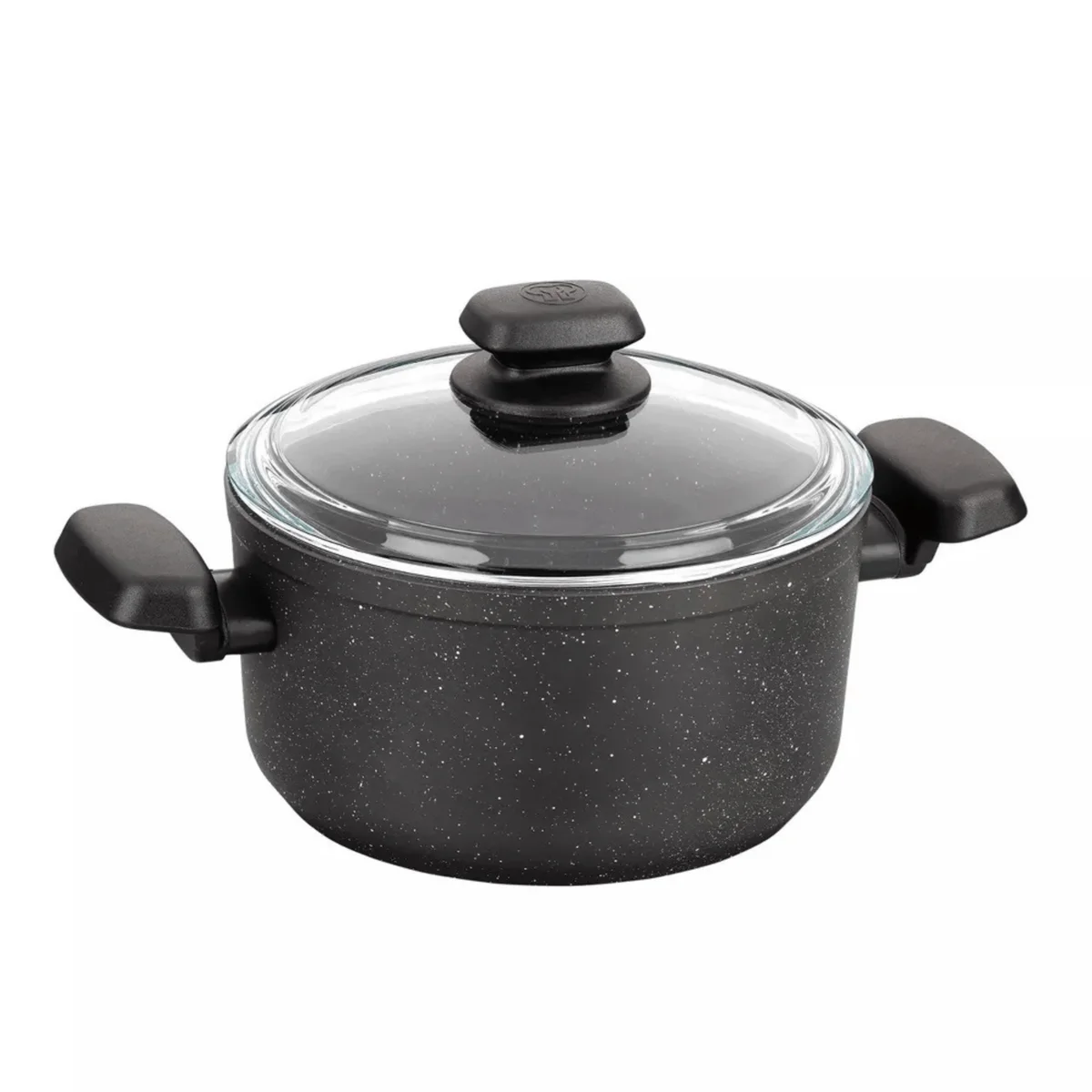
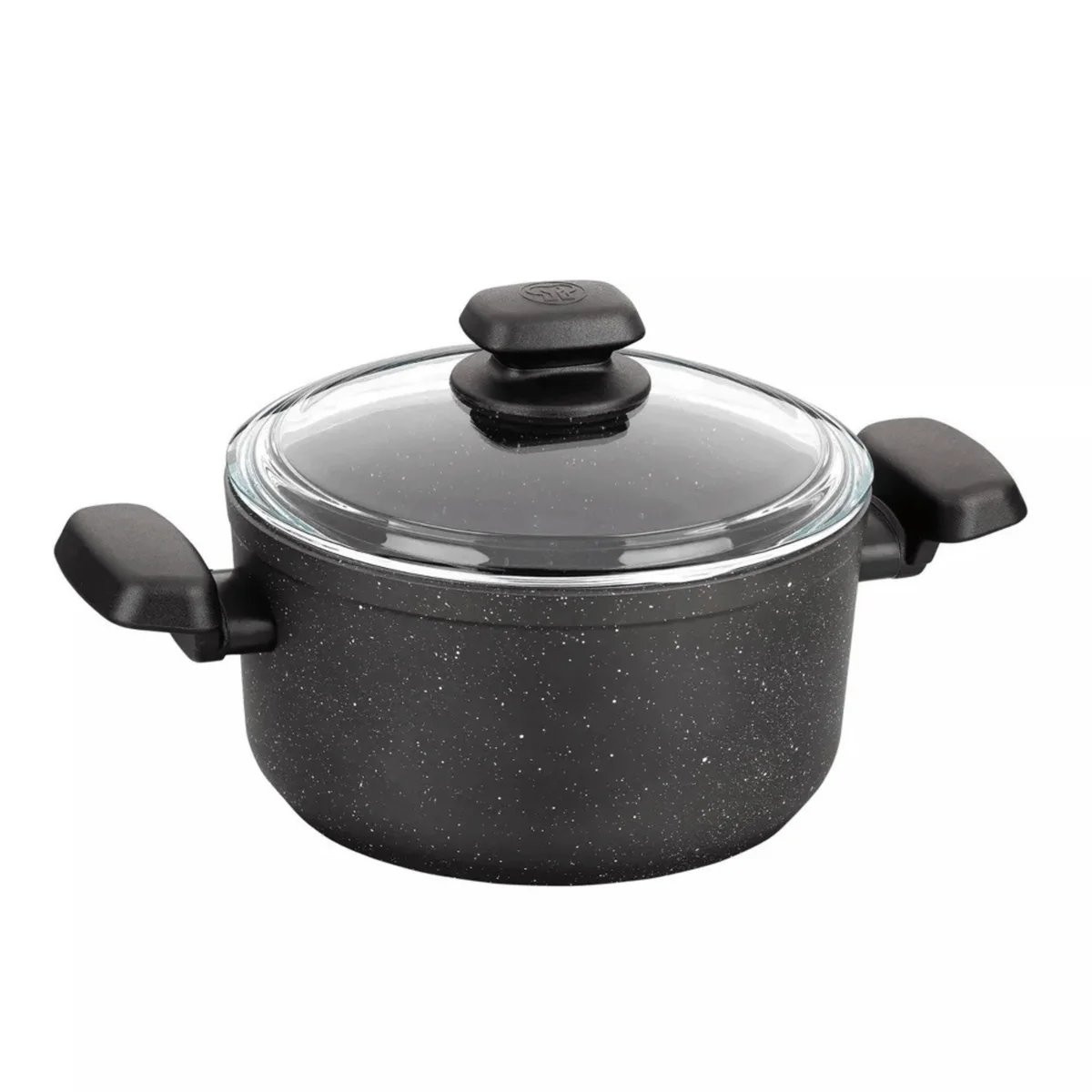
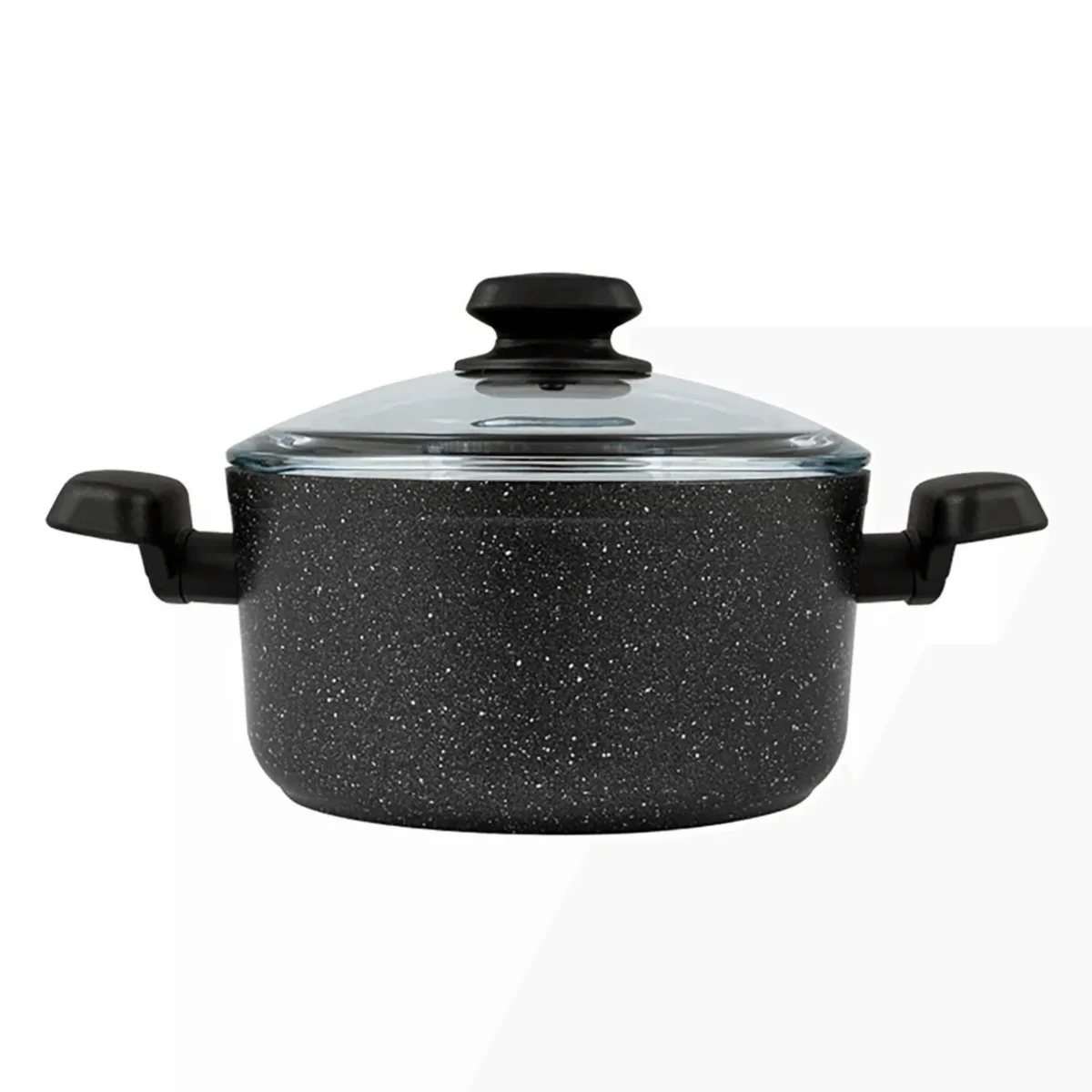
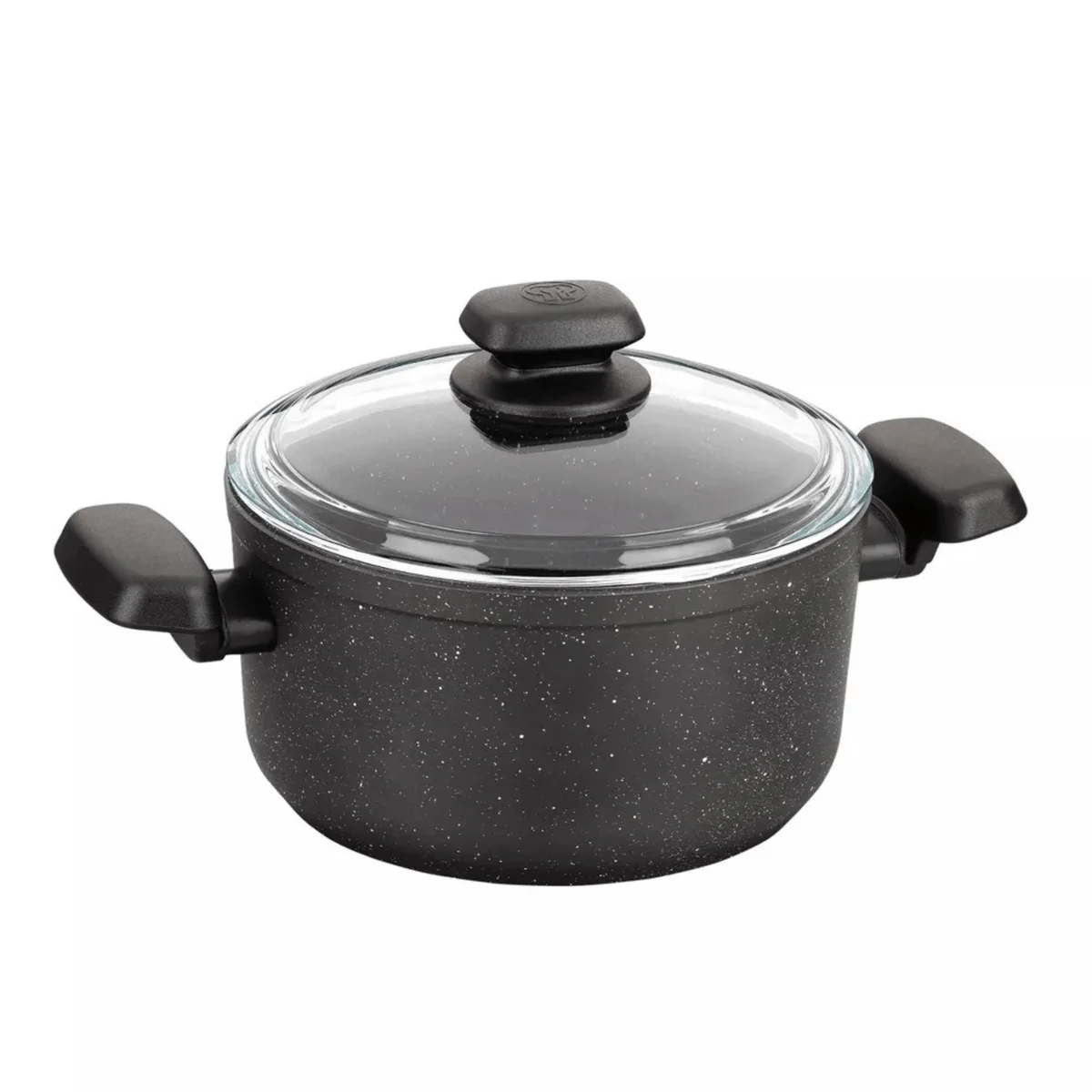
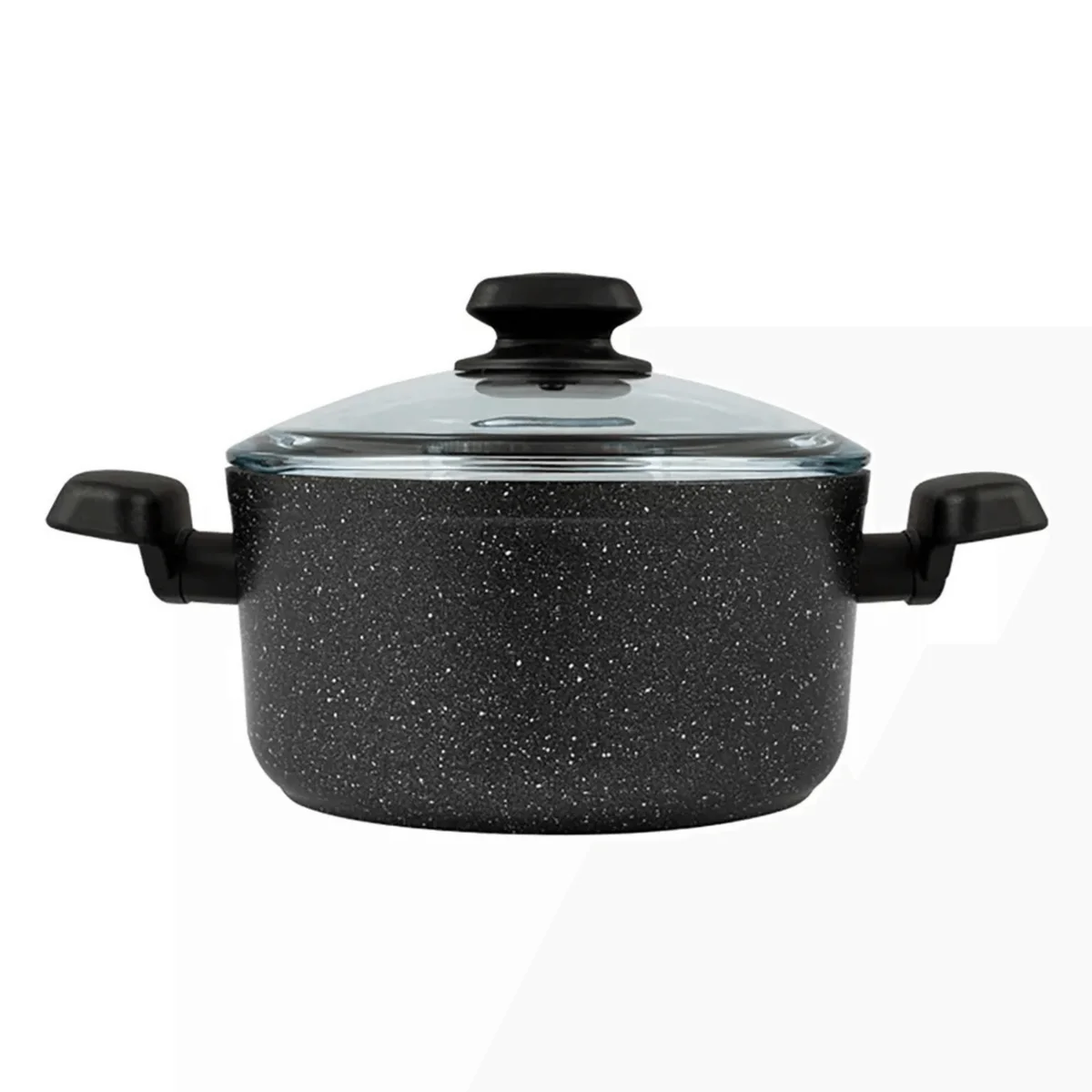
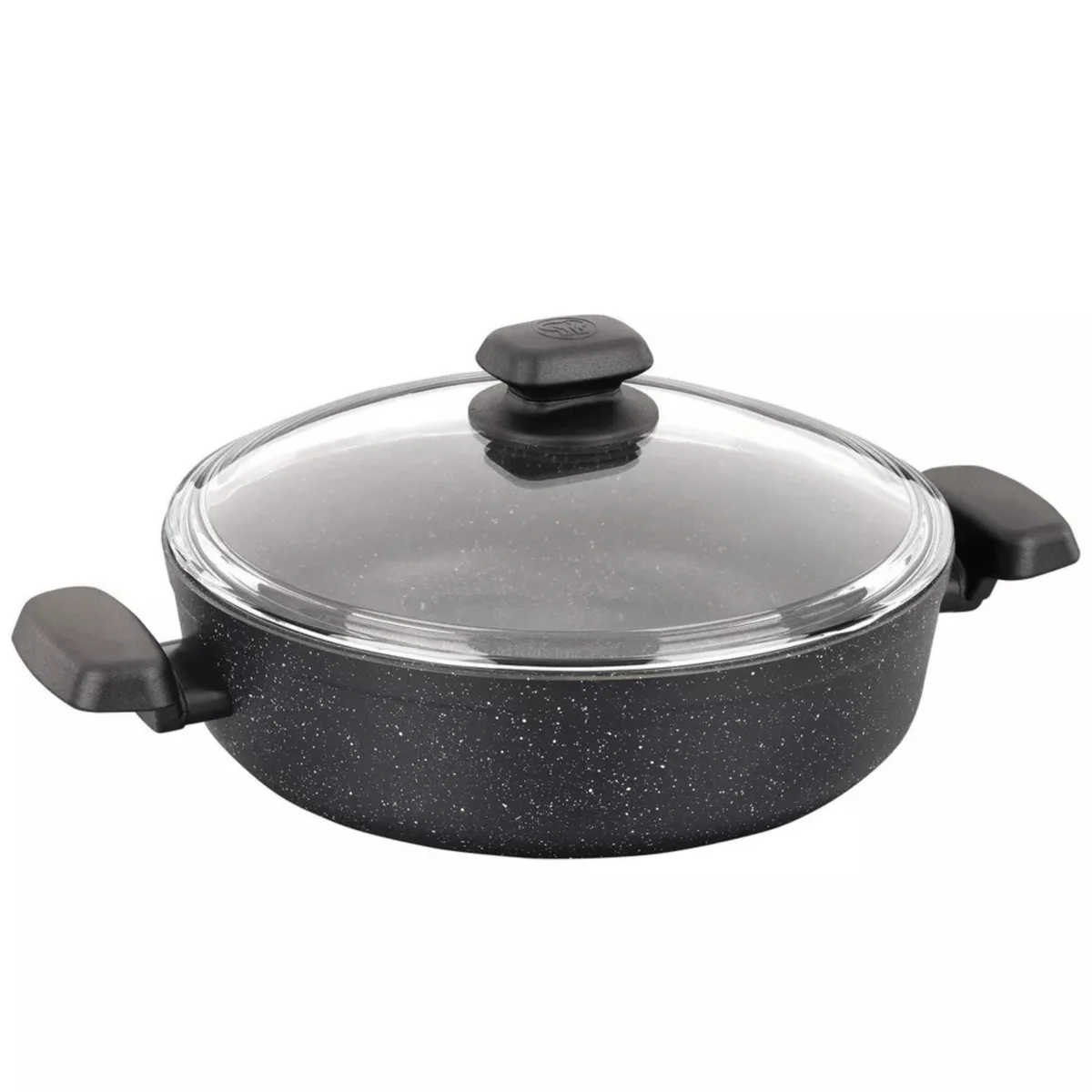
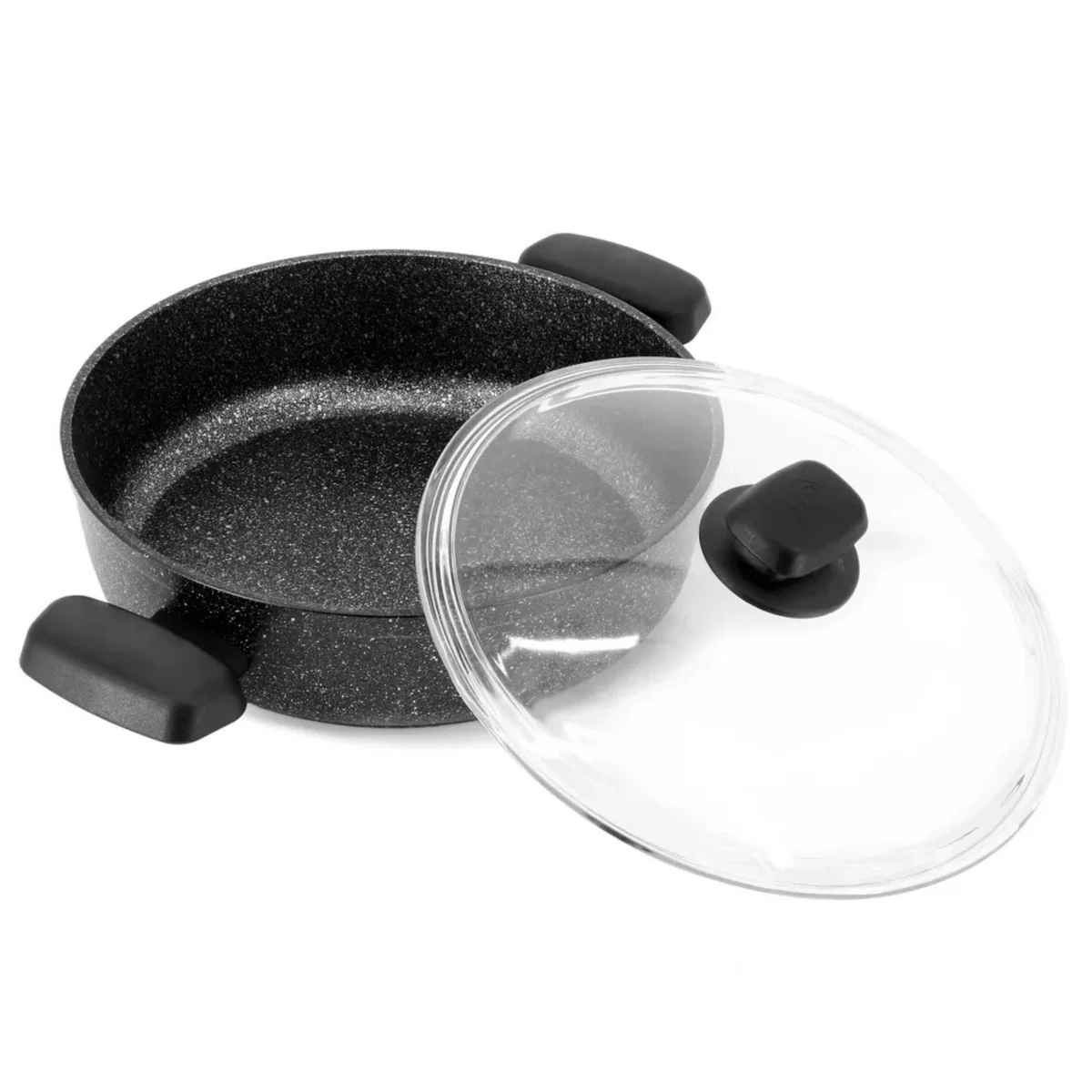
21 on the siteMatched from the words in the supplier's listing; the full material line is on each product page.


Other metalss
Whisk & Kettle describes materials and label claims from the public record and does not test cookware; what a listing states is the supplier's statement. The FDA regulates food-contact materials and the USDA sets the food-safety figures; nothing here is medical or dietary advice.