
Materials glossary / Labels and standards
BPA-free
On the box: BPA-free · Labels and standards
What it is
The resin does not contain bisphenol A. Says nothing about what resin was used instead; PP, silicone and glass never had BPA, so the claim means most on clear, rigid plastics.
Labels and standardss: Claims and standards that appear on packaging: oven-safe, dishwasher-safe, induction-ready, NSF, FDA food-contact, Prop 65. Each means a specific thing, and each is the maker's statement unless a third-party mark is shown.
In the research
29 PubMed papers mention it with cookware, food contact, migration or food safety; the three most recent:
- Quantitative evaluation of bisphenol A, S, and F migration from canned beverages: impact of storage conditions and associated health risk assessment · Food research international (Ottawa, Ont.), 2026
- Oral Administration of Polyethylene Microplastics Induces BPA-Associated Antioxidant Activation and Synaptic-Related Transcriptional Responses in the Rat Prefrontal Cortex · Nutrients, 2026
- Screening 16 bisphenol analogues in asthenospermia: BPM-CDK1 axis identified by computational and In Vitro validation · Reproductive toxicology (Elmsford, N.Y.), 2026
A paper is a paper, not a verdict: titles are listed so you can read them, and a study on one fabric or one filter says little about the pan on your stove.
Products whose listing names it
7 on the siteMatched from the words in the supplier's listing; the full material line is on each product page.
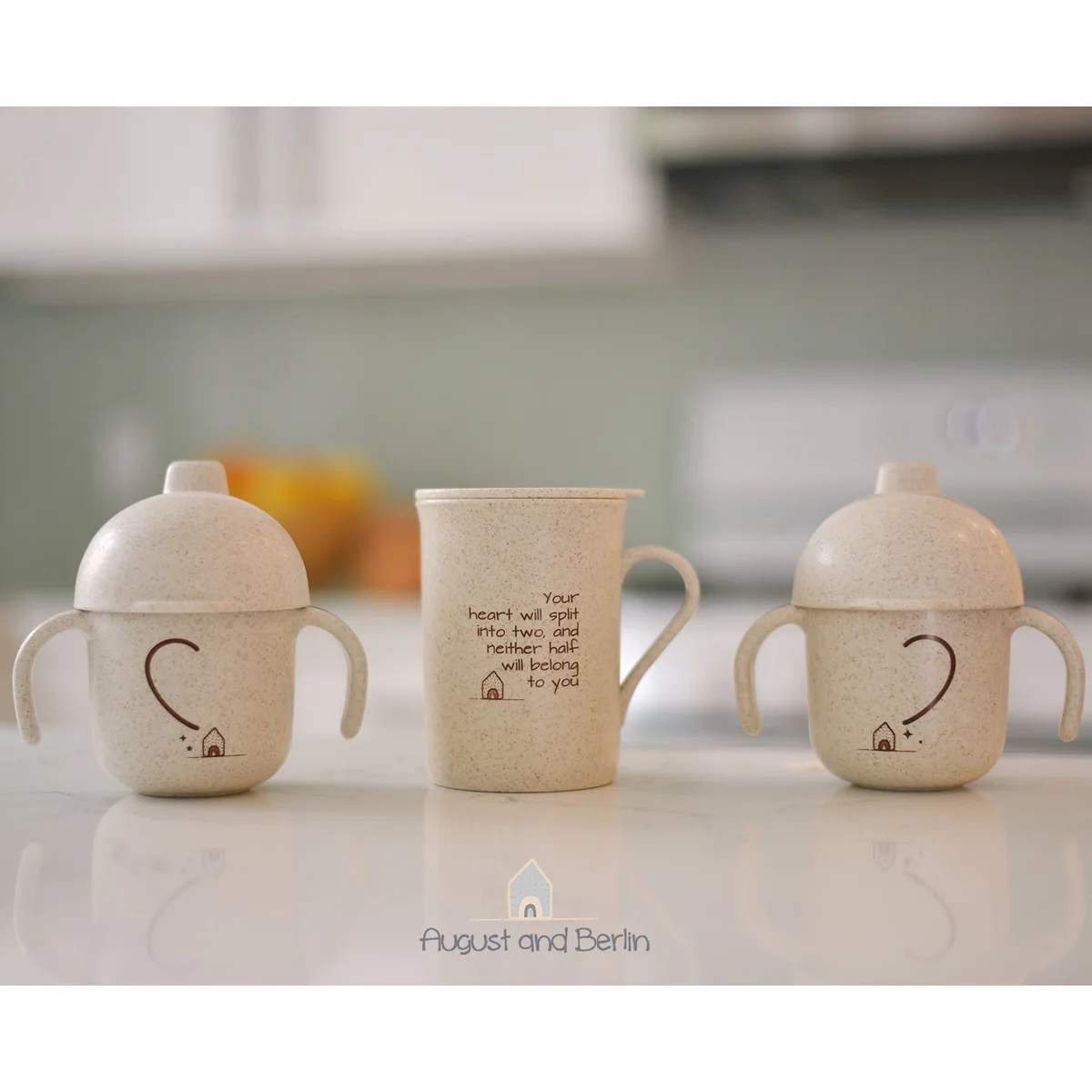 Made in the USA
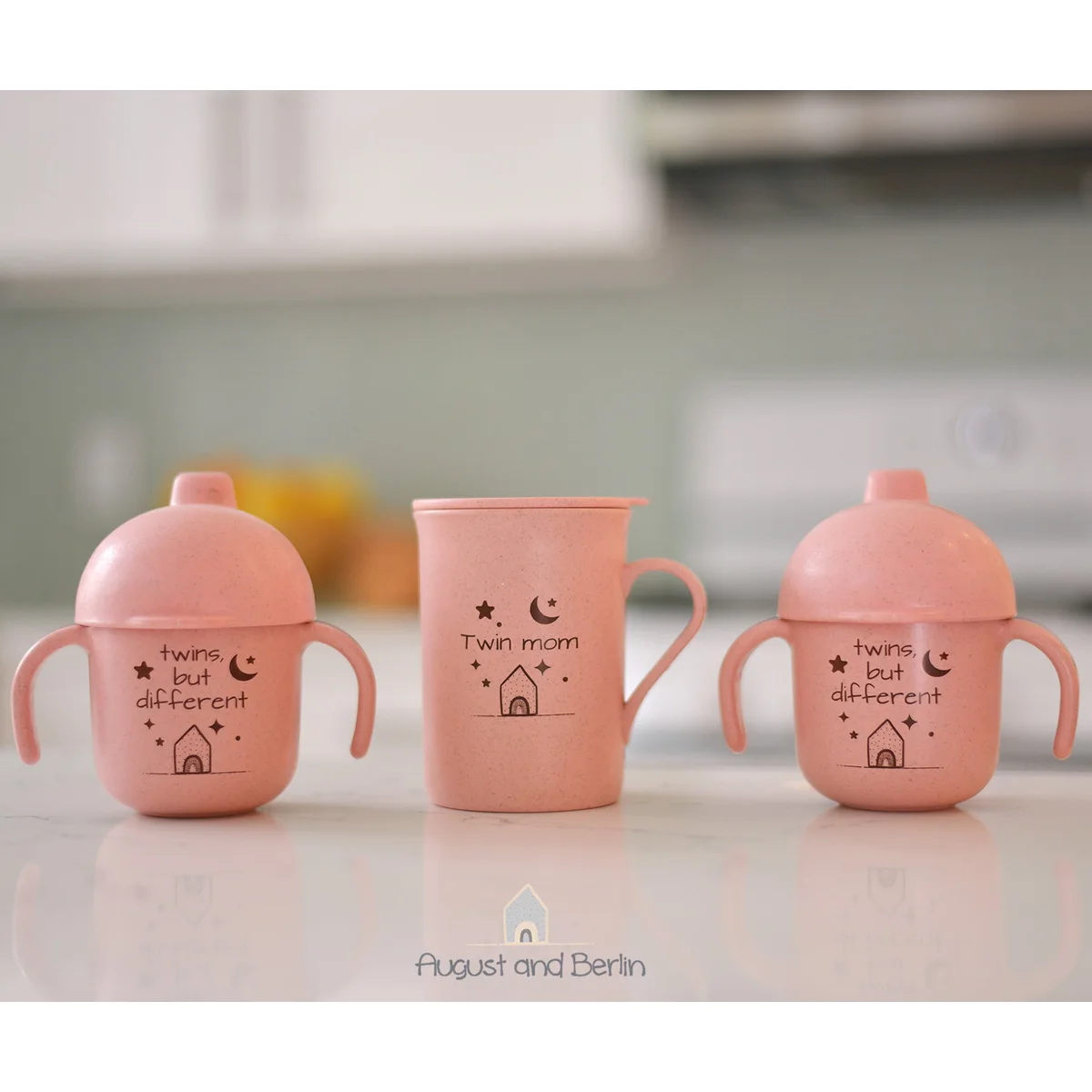 Made in the USA



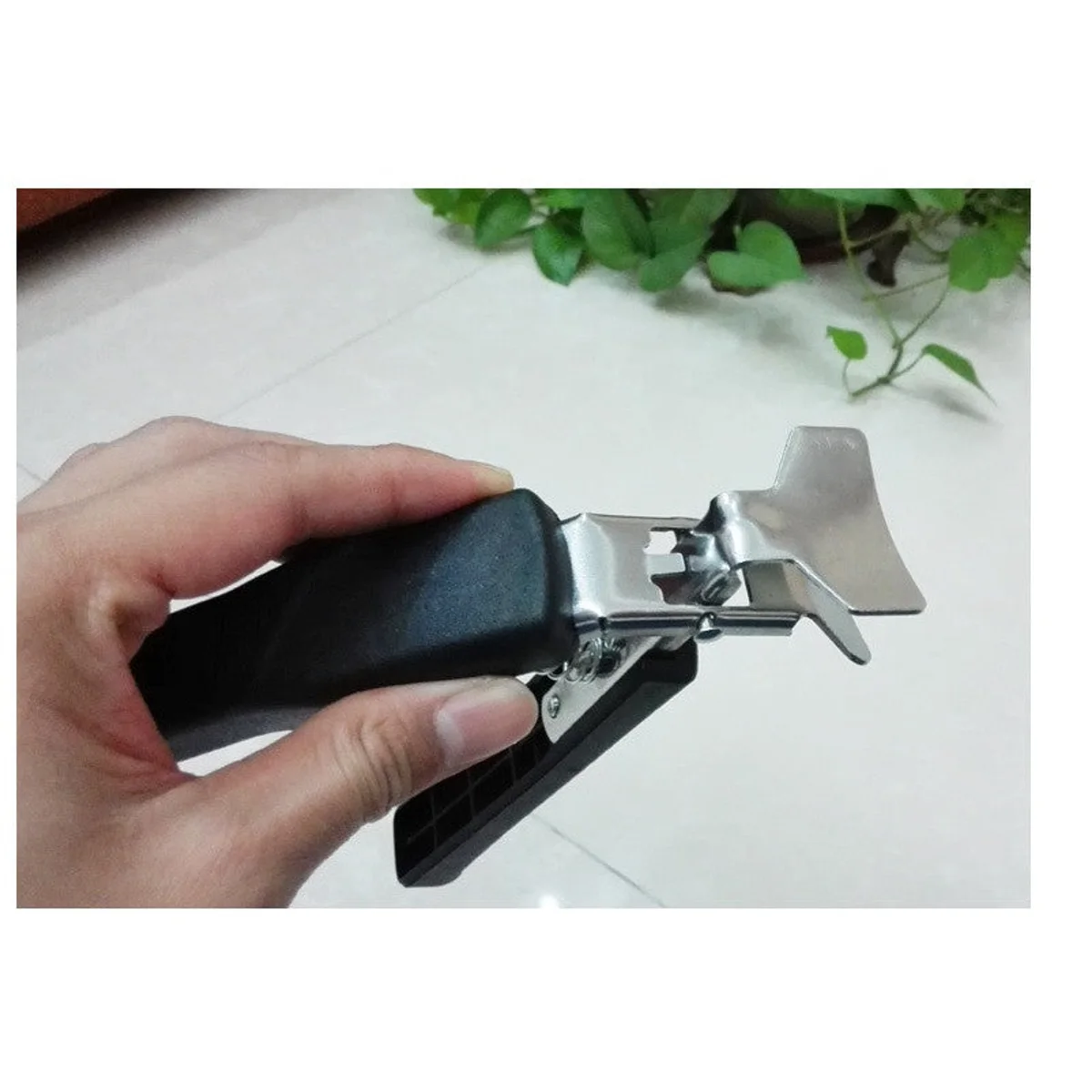
Other labels and standardss
Whisk & Kettle describes materials and label claims from the public record and does not test cookware; what a listing states is the supplier's statement. The FDA regulates food-contact materials and the USDA sets the food-safety figures; nothing here is medical or dietary advice.