
Materials glossary / Labels and standards
Food-grade
On the box: Food-grade · Labels and standards
What it is
A loose term meaning suitable for food contact. In the US the specific regulation is the FDA's; on silicone it often means the material passed FDA or the German LFGB migration tests, which the maker should name.
Labels and standardss: Claims and standards that appear on packaging: oven-safe, dishwasher-safe, induction-ready, NSF, FDA food-contact, Prop 65. Each means a specific thing, and each is the maker's statement unless a third-party mark is shown.
Wikidata: Type of material. Q131860767 →
In the research
267 PubMed papers mention it with cookware, food contact, migration or food safety; the three most recent:
- Isoborneol as a natural food-grade antimicrobial: Targeting biofilm resilience of Vibrio alginolyticus on seafood and contact material surfaces · Food research international (Ottawa, Ont.), 2026
- Enzymatic detoxification mechanisms of histamine in fish and fermented aquatic products: research progress and future development strategies · Food chemistry, 2026
- Metal-Organic Frameworks as Tunable Sorbents for Food Sample Preparation · ACS omega, 2026
A paper is a paper, not a verdict: titles are listed so you can read them, and a study on one fabric or one filter says little about the pan on your stove.
Products whose listing names it
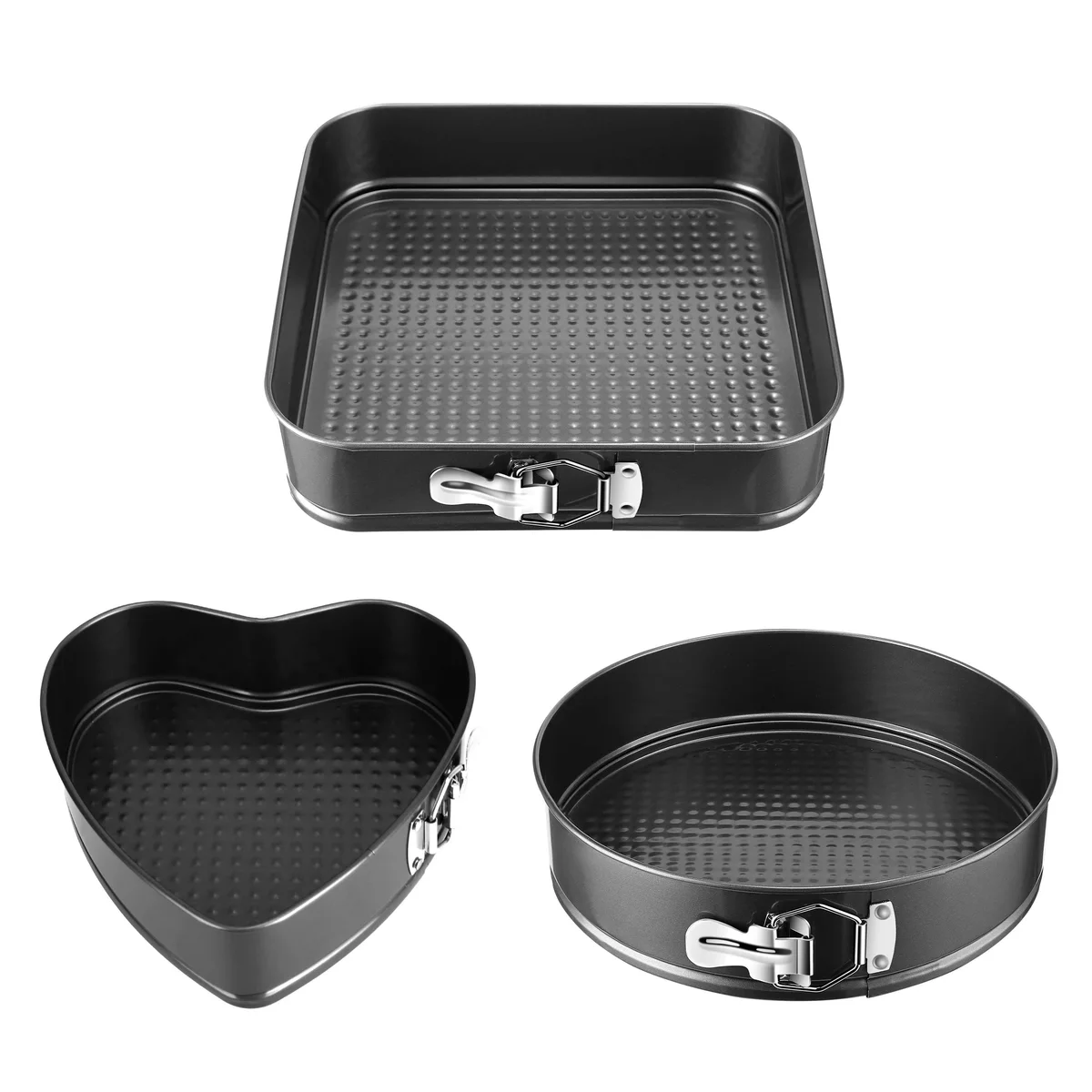
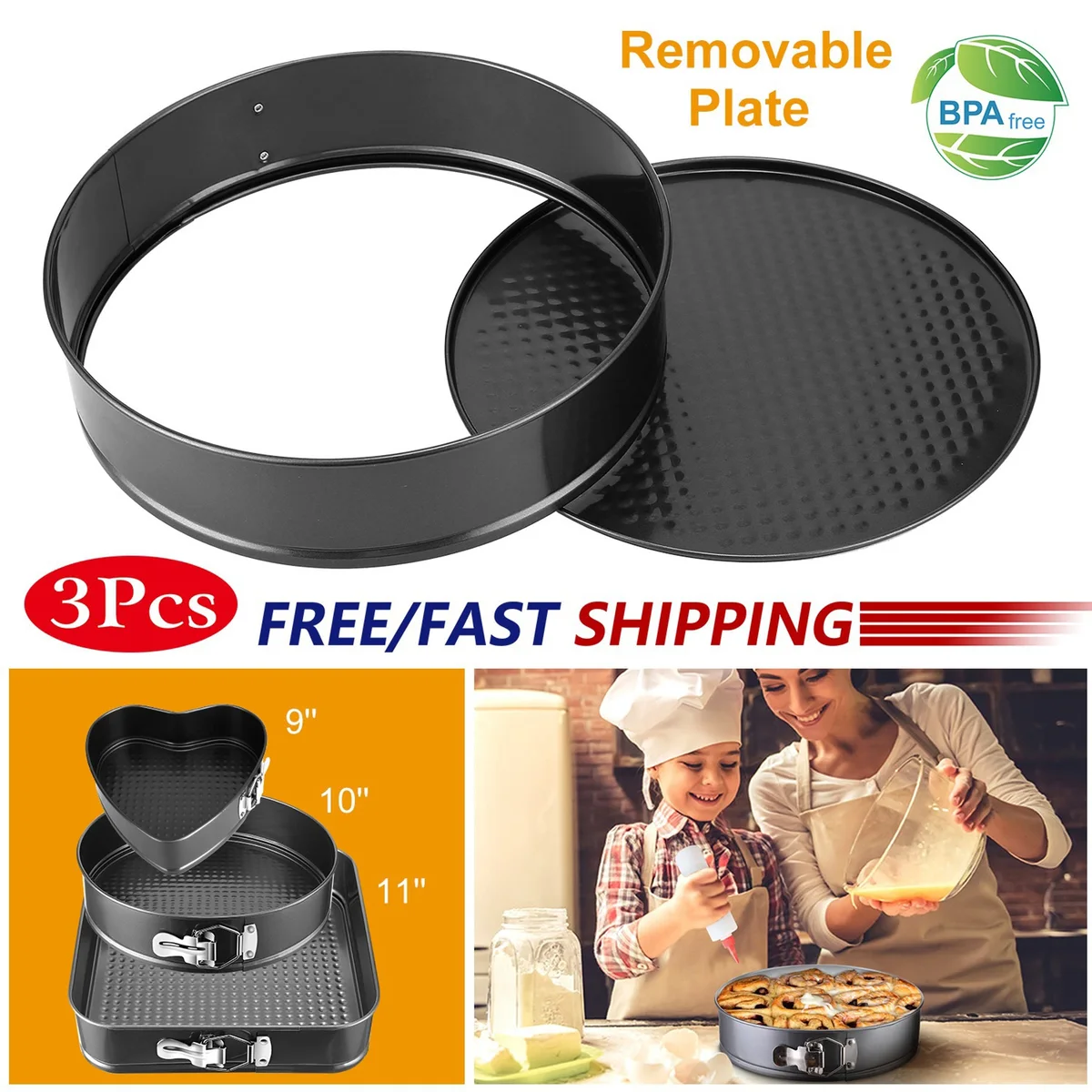
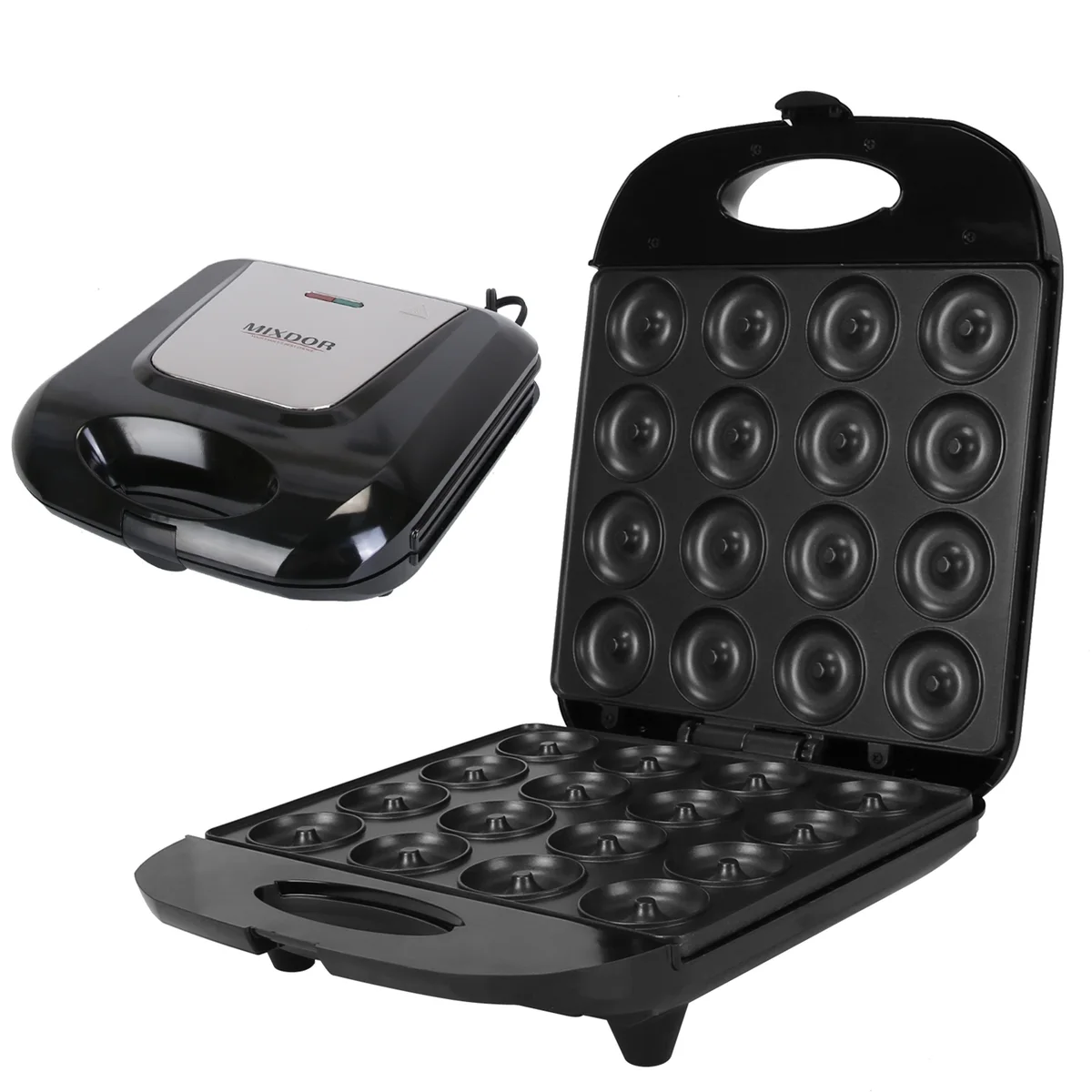
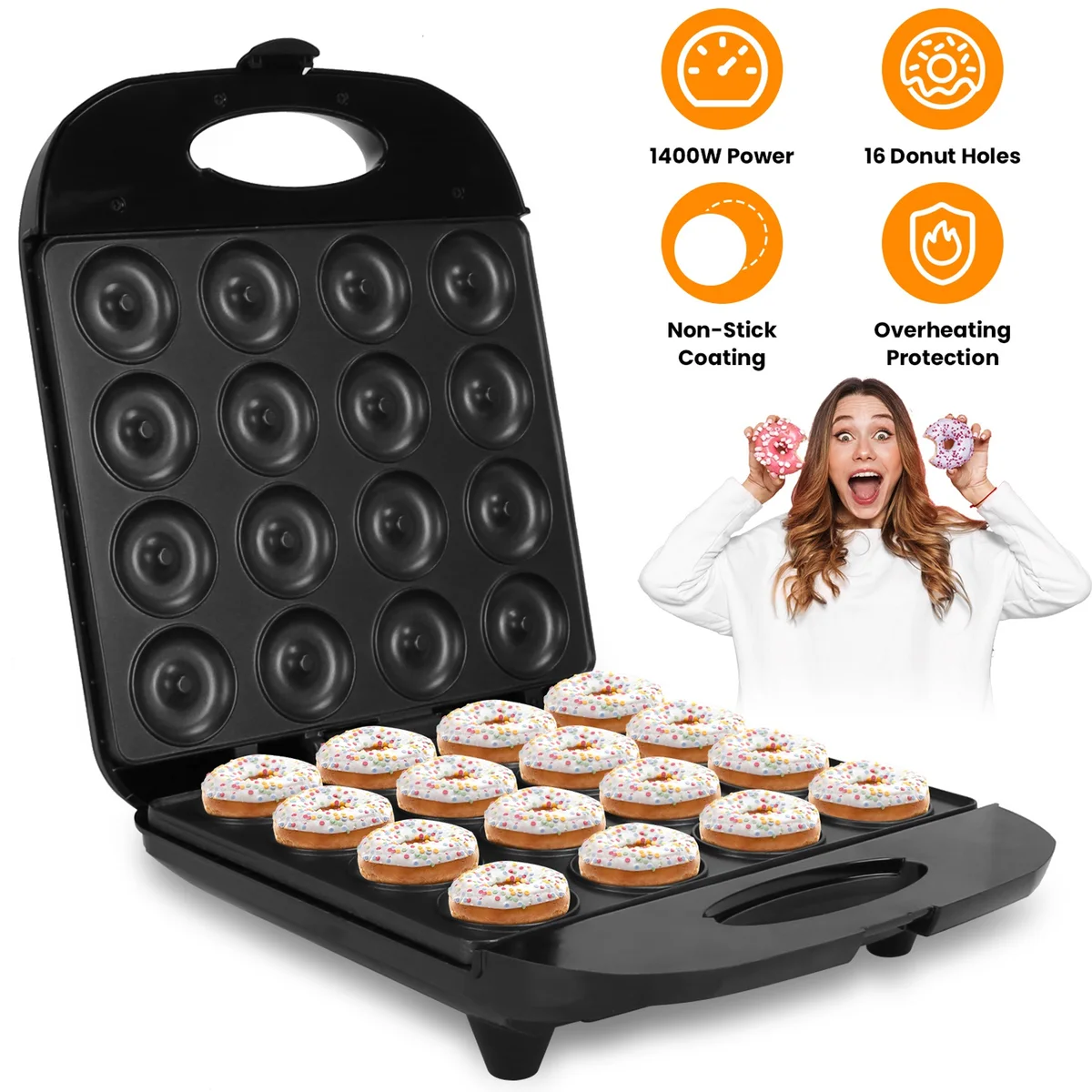
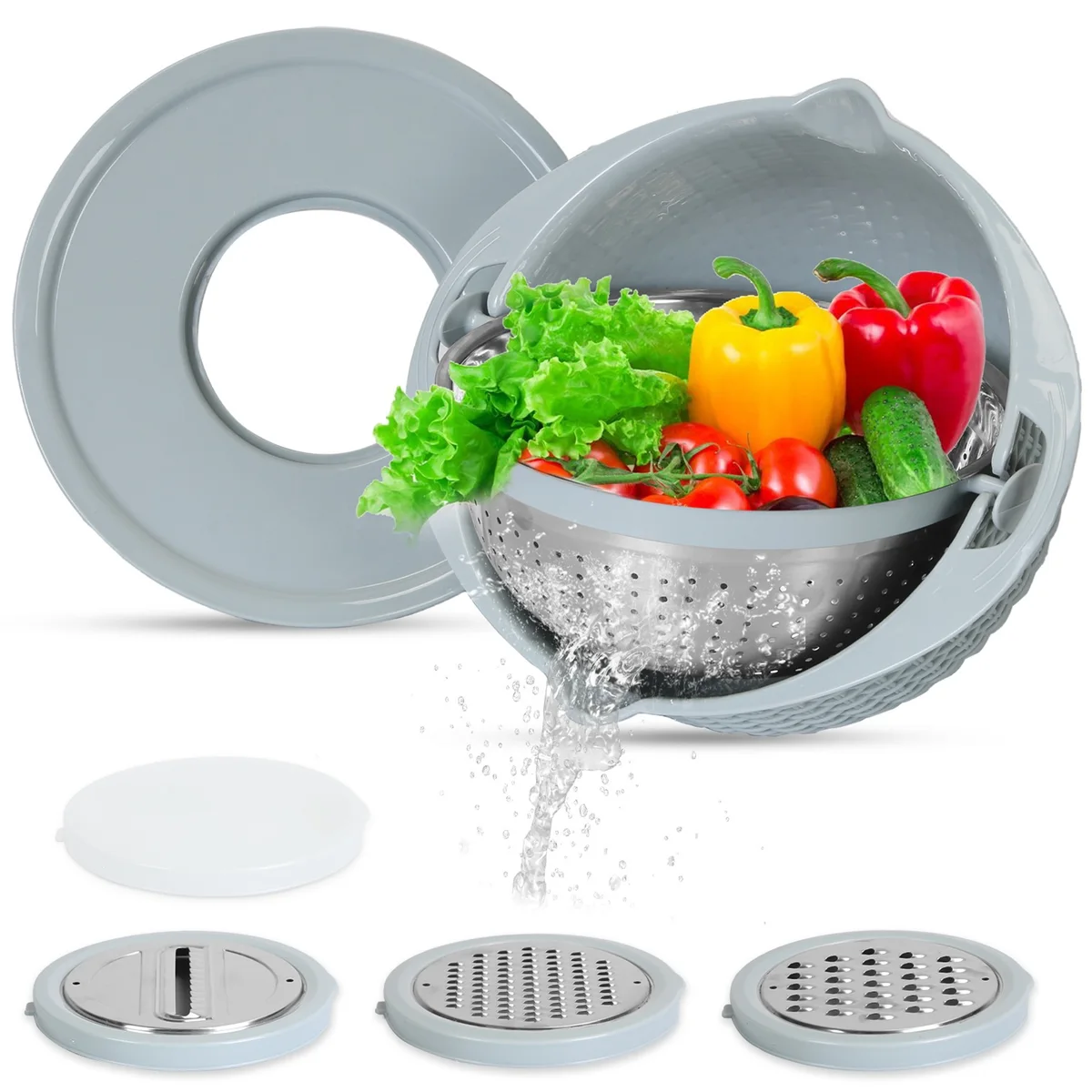
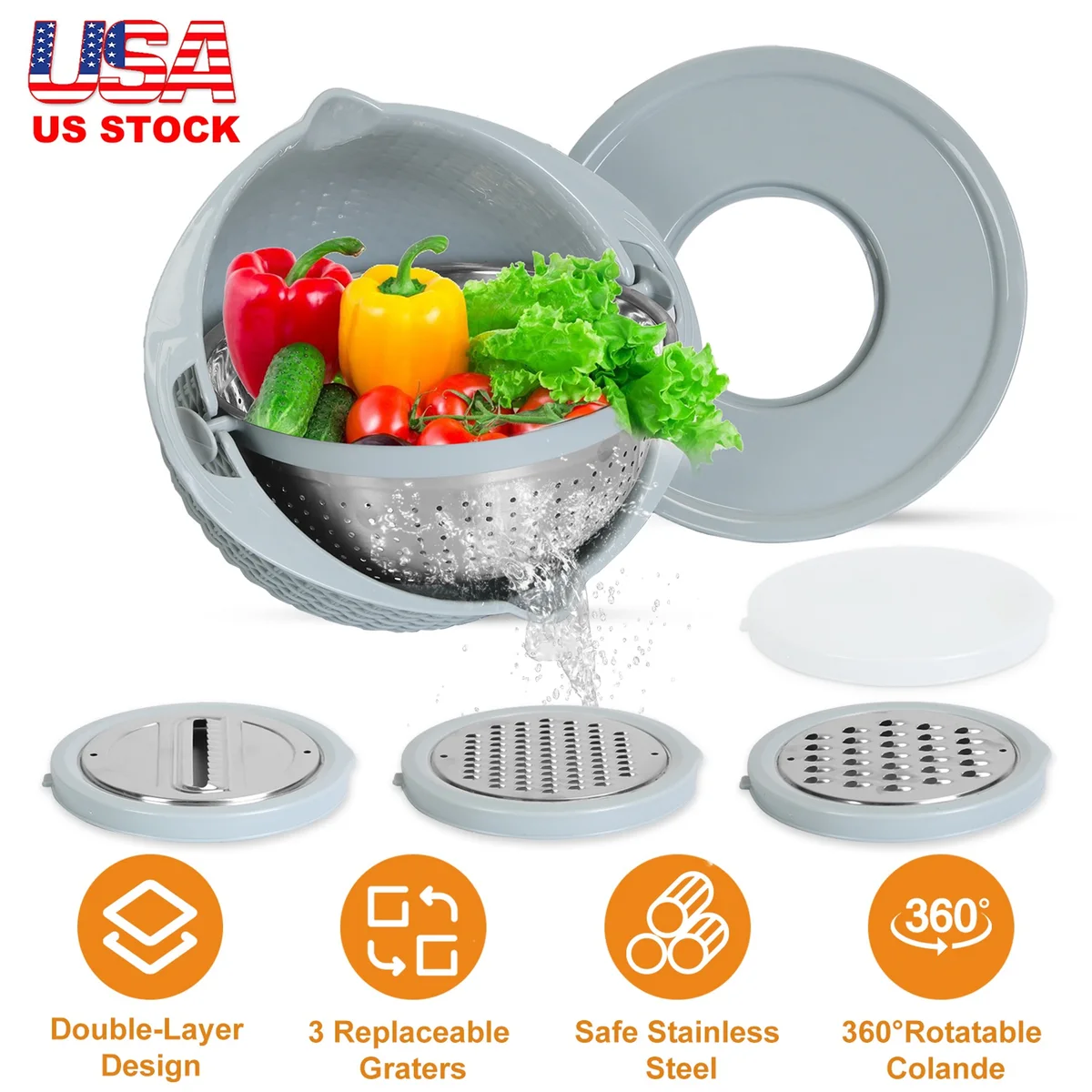
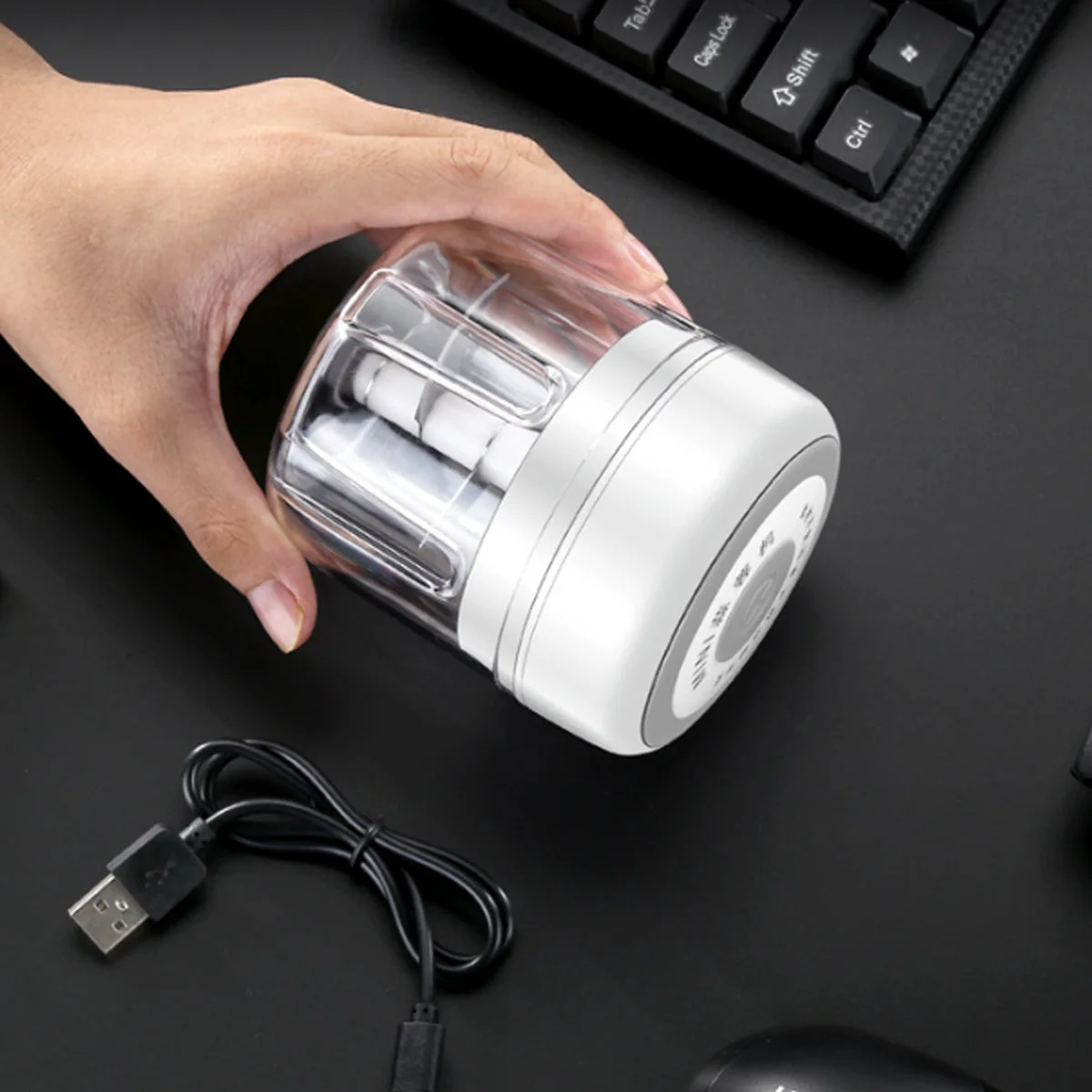
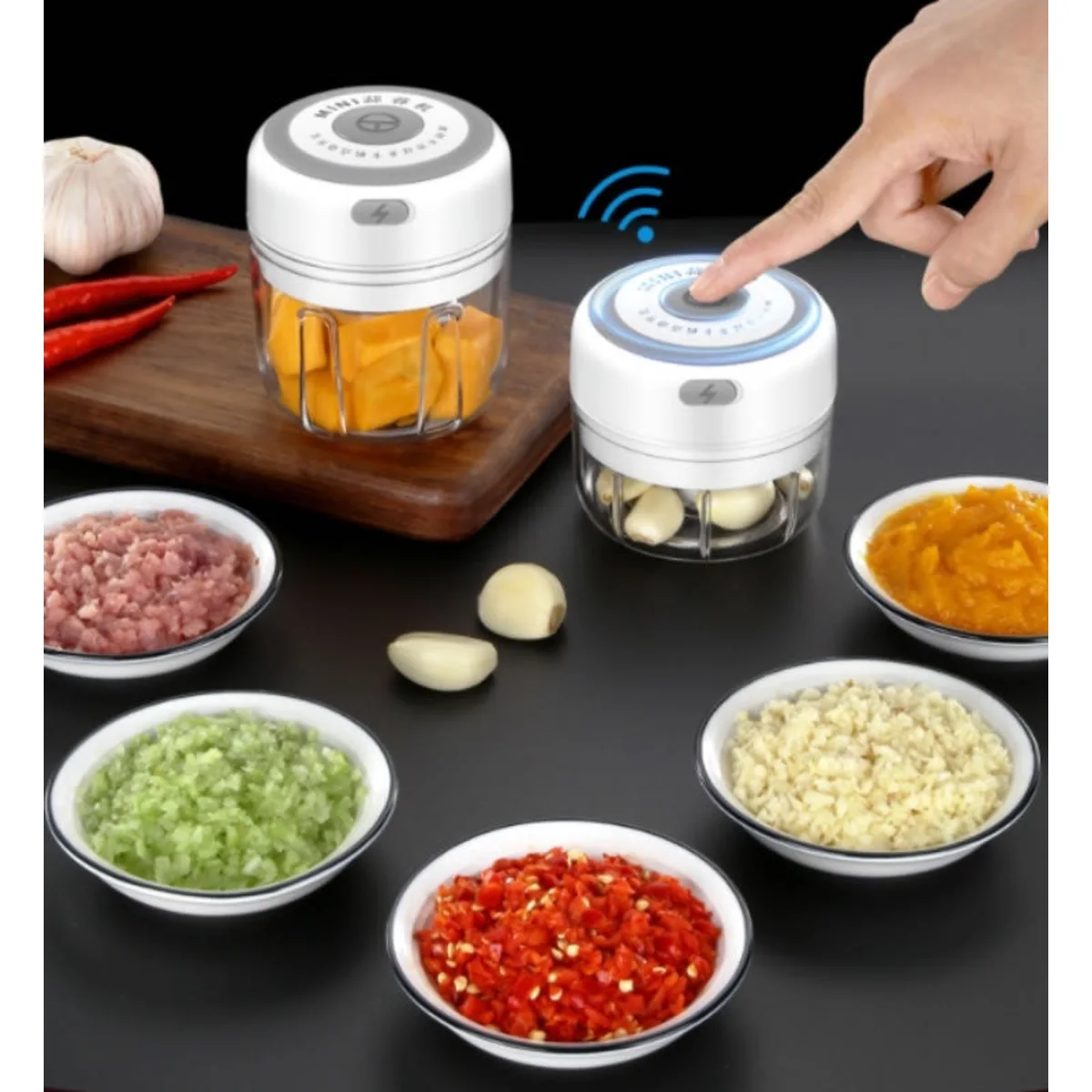
6 on the siteMatched from the words in the supplier's listing; the full material line is on each product page.




Other labels and standardss
Whisk & Kettle describes materials and label claims from the public record and does not test cookware; what a listing states is the supplier's statement. The FDA regulates food-contact materials and the USDA sets the food-safety figures; nothing here is medical or dietary advice.