
Nickel
On the box: Nickel (kitchen) · Metals
What it is
The alloying element that keeps 18/10 stainless non-magnetic and bright. Some people are sensitive to nickel; stainless releases very little in cooking, and nickel-free (18/0 or 430) cookware exists for those who want none.
Metalss: The metals pots, pans and tools are made of. Each conducts heat differently (copper and aluminum fast, stainless and cast iron slow and even), reacts or not with acidic food, and asks for its own care.
Wikidata: Chemical element with symbol Ni and atomic number 28. Q744 →
In the research
1,638 PubMed papers mention it with cookware, food contact, migration or food safety; the three most recent:
- Modeling and Simulation on Nickel Electroplating Behavior of MLCC with Ni Termination · Materials (Basel, Switzerland), 2026
- Nanoporous Silica Aerogels Derived from Tailings via Alkali Fusion Activation and Resin-Free Purification · Materials (Basel, Switzerland), 2026
- Electronic trap formation and broadband electromagnetic absorption in two-dimensional Janus MoSSe structures · Journal of colloid and interface science, 2026
A paper is a paper, not a verdict: titles are listed so you can read them, and a study on one fabric or one filter says little about the pan on your stove.
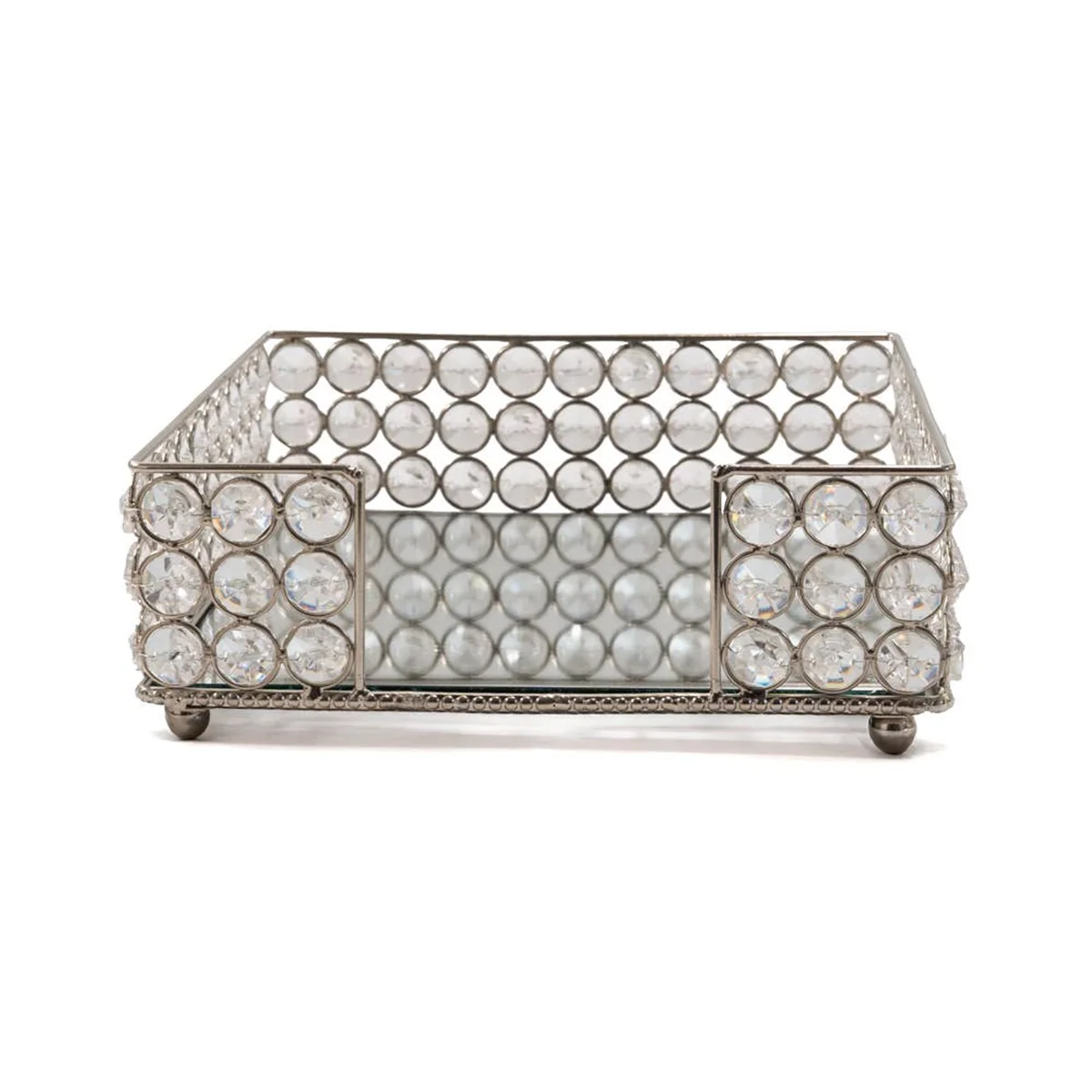
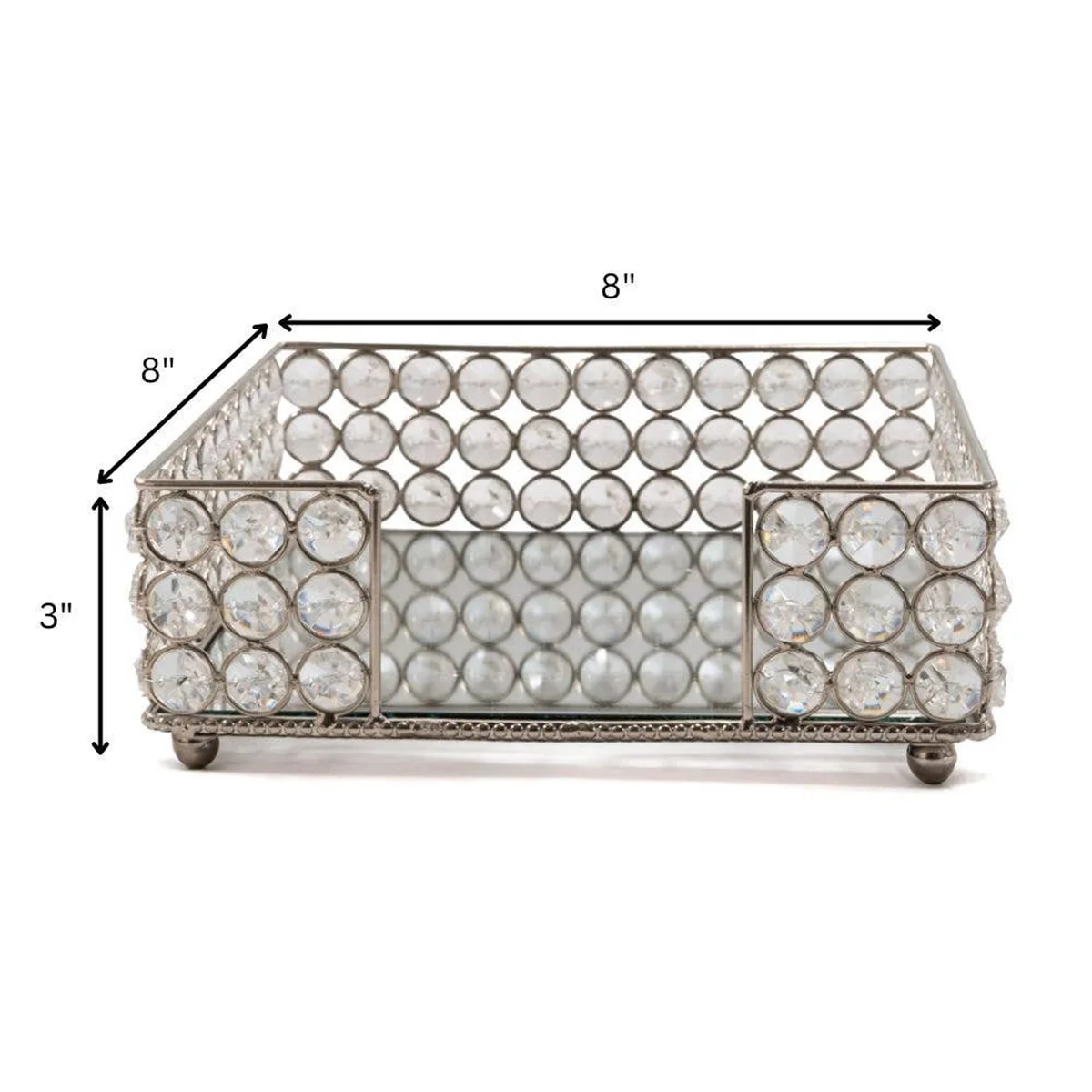
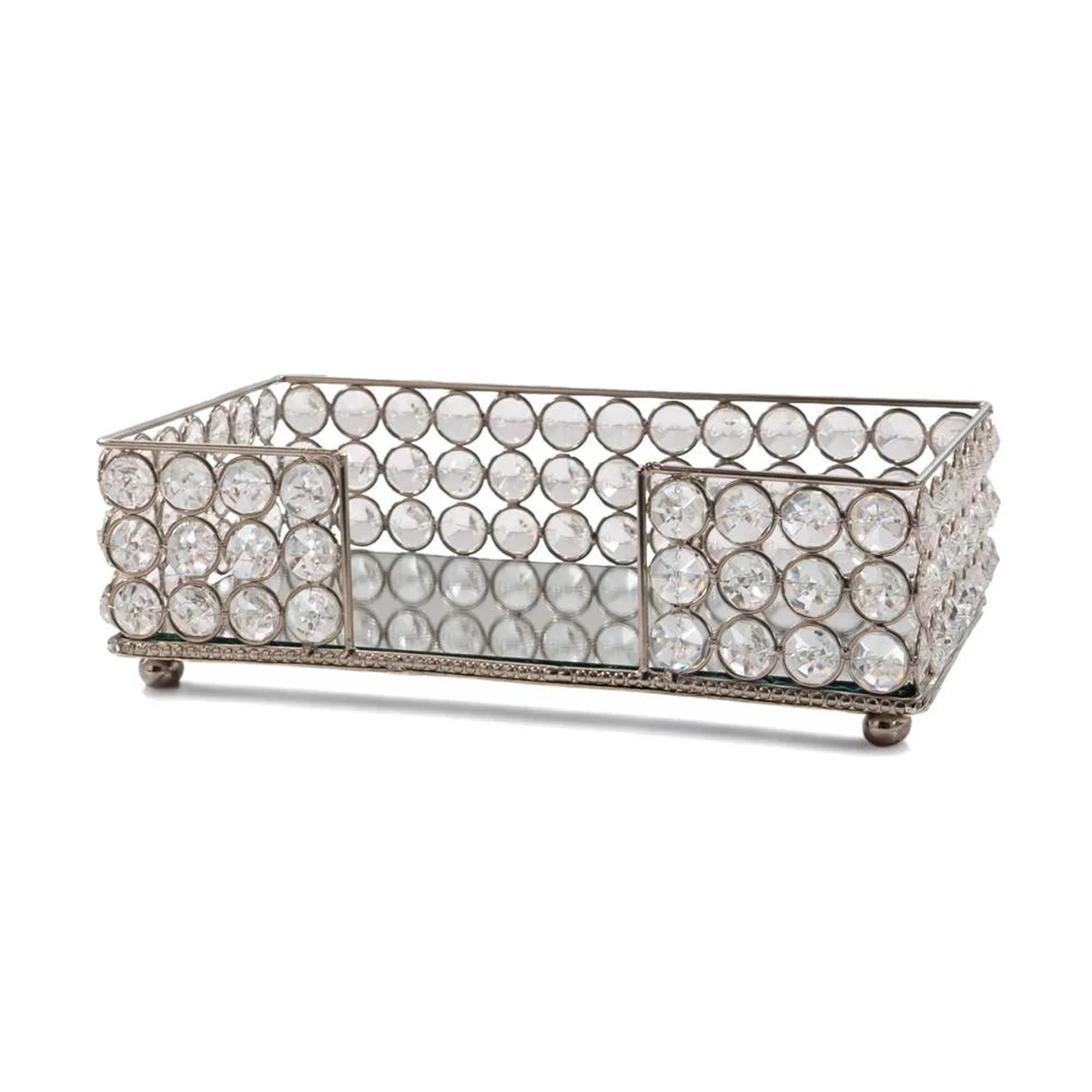
Products whose listing names it
2 on the siteMatched from the words in the supplier's listing; the full material line is on each product page.

Other metalss
Whisk & Kettle describes materials and label claims from the public record and does not test cookware; what a listing states is the supplier's statement. The FDA regulates food-contact materials and the USDA sets the food-safety figures; nothing here is medical or dietary advice.