
Materials glossary / Ceramics and glazes
Earthenware
On the box: Earthenware · Ceramics and glazes
What it is
Clay fired at a low temperature: porous unless glazed, chips easily, and the warmest-looking of the clays (terracotta, majolica). Keep unglazed pieces out of the dishwasher and soak terracotta before use as the makers direct.
Ceramics and glazess: Fired clay bodies and their glazes: earthenware, stoneware, porcelain, bone china. The body sets strength and porosity; the glaze is where lead and cadmium questions live, and the FDA sets limits for both.
Wikidata: Nonvitreous pottery fired below 1,200 °C. Q1377111 →
In the research
12 PubMed papers mention it with cookware, food contact, migration or food safety; the three most recent:
- Mechanism of improving quality of dry-aged pork loins in scoria-containing onggi, Korean earthenware as a storage container · Animal bioscience, 2023
- Cadmium pigments in consumer products and their health risks · The Science of the total environment, 2019
- Sphenostylis stenocarpa (ex. A. Rich.) Harms., a Fading Genetic Resource in a Changing Climate: Prerequisite for Conservation and Sustainability · Plants (Basel, Switzerland), 2017
A paper is a paper, not a verdict: titles are listed so you can read them, and a study on one fabric or one filter says little about the pan on your stove.
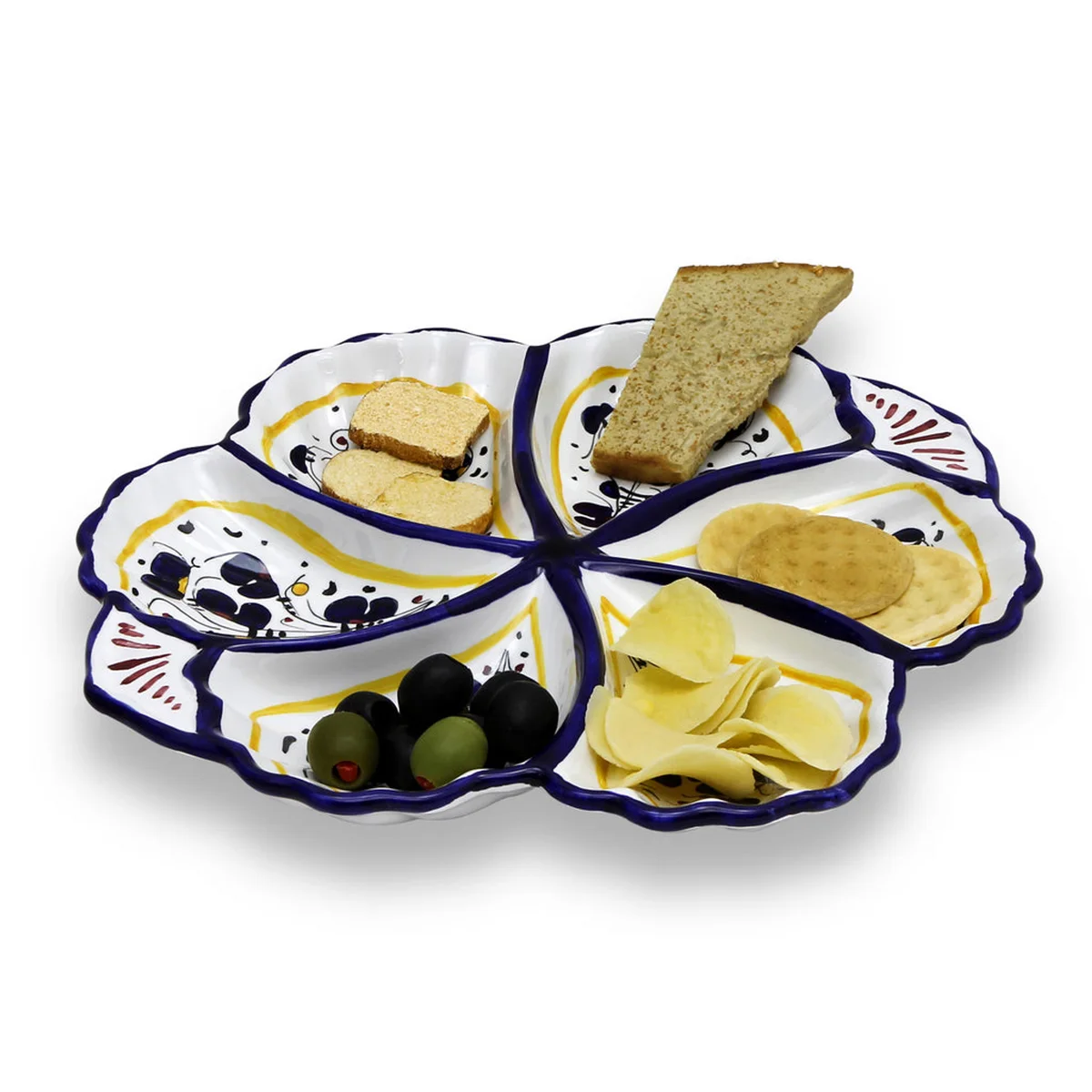
Products whose listing names it
1 on the siteMatched from the words in the supplier's listing; the full material line is on each product page.

Other ceramics and glazess
Whisk & Kettle describes materials and label claims from the public record and does not test cookware; what a listing states is the supplier's statement. The FDA regulates food-contact materials and the USDA sets the food-safety figures; nothing here is medical or dietary advice.