
Materials glossary / Ceramics and glazes
Glaze
On the box: Glaze (ceramic) · Ceramics and glazes
What it is
The glass layer fired onto a clay body for color and a sealed surface. Food-safe glazes are formulated and fired to keep lead and cadmium within FDA limits; a crazed (crackled) glaze lets liquid into the body.
Ceramics and glazess: Fired clay bodies and their glazes: earthenware, stoneware, porcelain, bone china. The body sets strength and porosity; the glaze is where lead and cadmium questions live, and the FDA sets limits for both.
Wikidata: Layer or coating of vitreous substance fused to a ceramic object. Q335404 →
In the research
12 PubMed papers mention it with cookware, food contact, migration or food safety; the three most recent:
- Antibacterial and preservation efficiency of photodynamic ice glaze driven by curcumin/β-cyclodextrin complex against Pacific white shrimp · International journal of food microbiology, 2026
- Migration kinetics of cadmium and lead from ceramic mugs · Journal of hazardous materials, 2025
- A Possible Natural and Inexpensive Substitute for Lapis Lazuli in the Frederick II Era: The Finding of Haüyne in Blue Lead-Tin Glazed Pottery from Melfi Castle (Italy) · Molecules (Basel, Switzerland), 2023
A paper is a paper, not a verdict: titles are listed so you can read them, and a study on one fabric or one filter says little about the pan on your stove.
Products whose listing names it
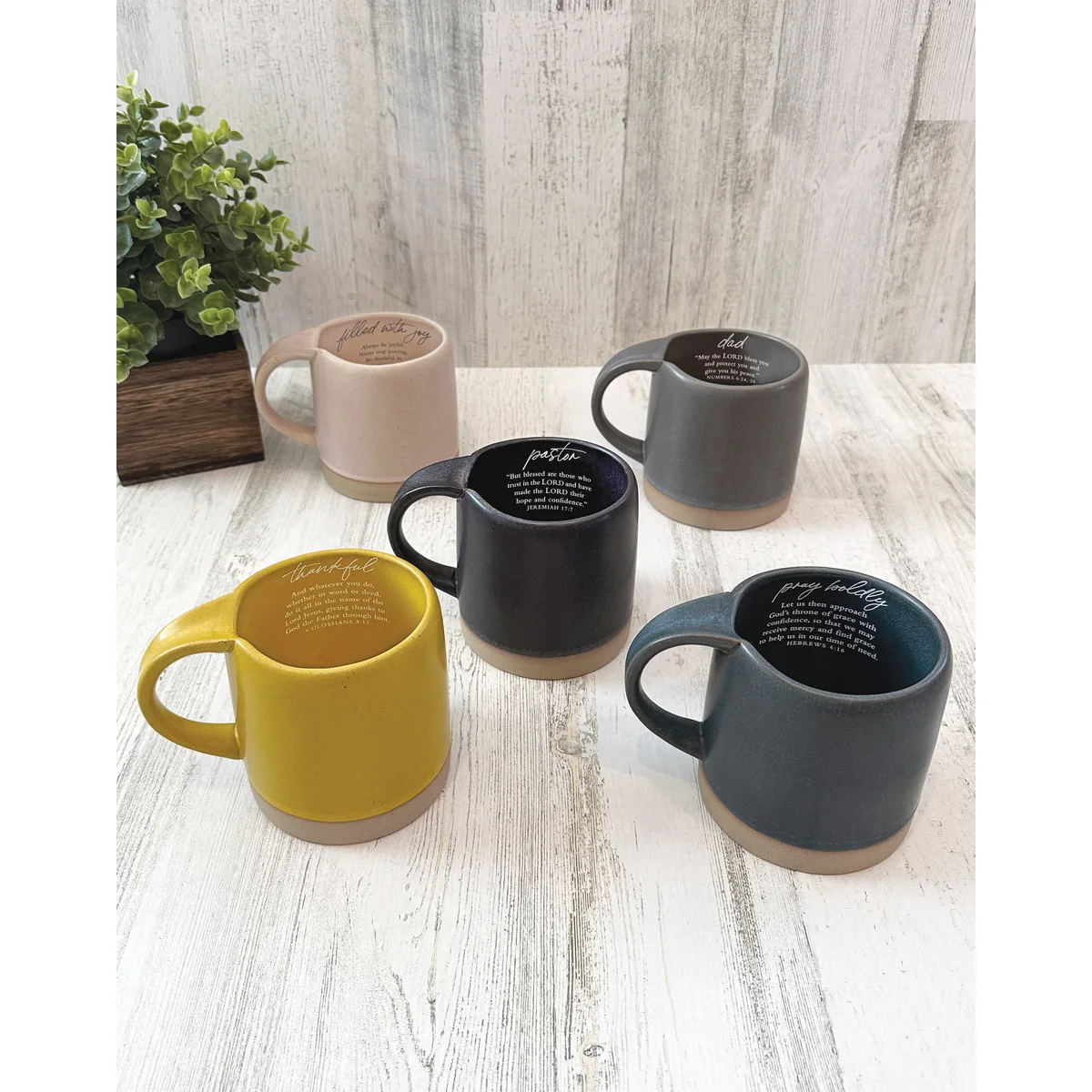
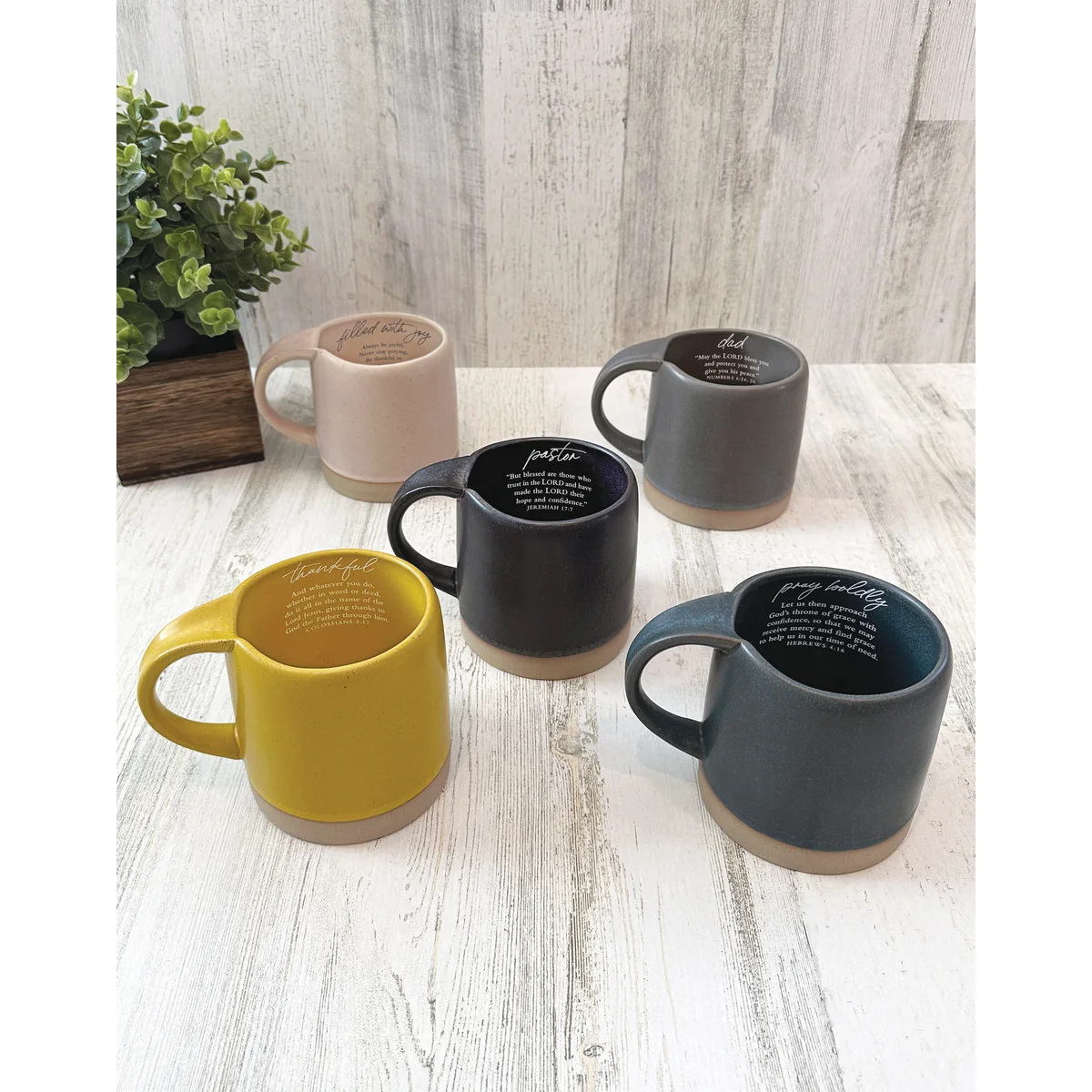
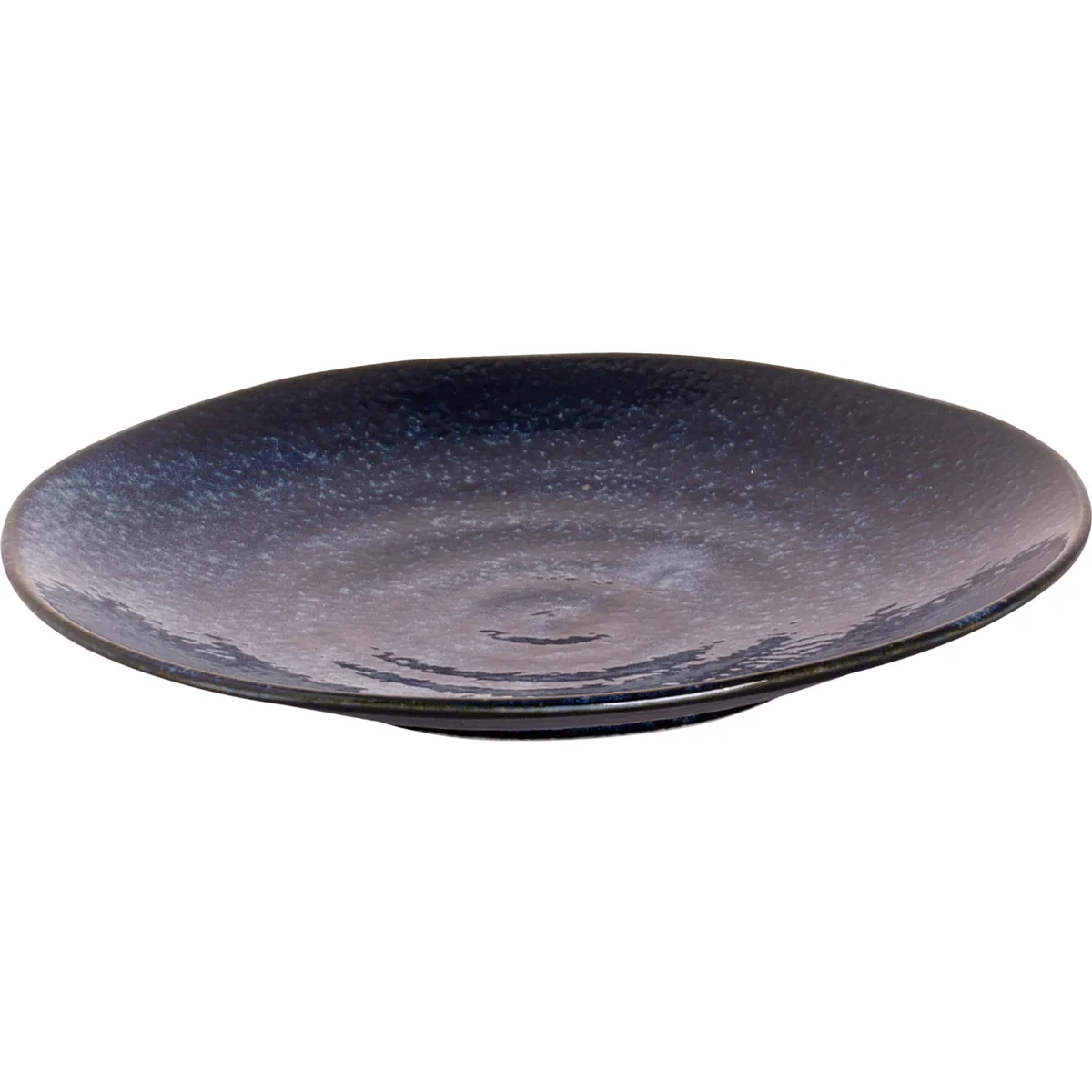
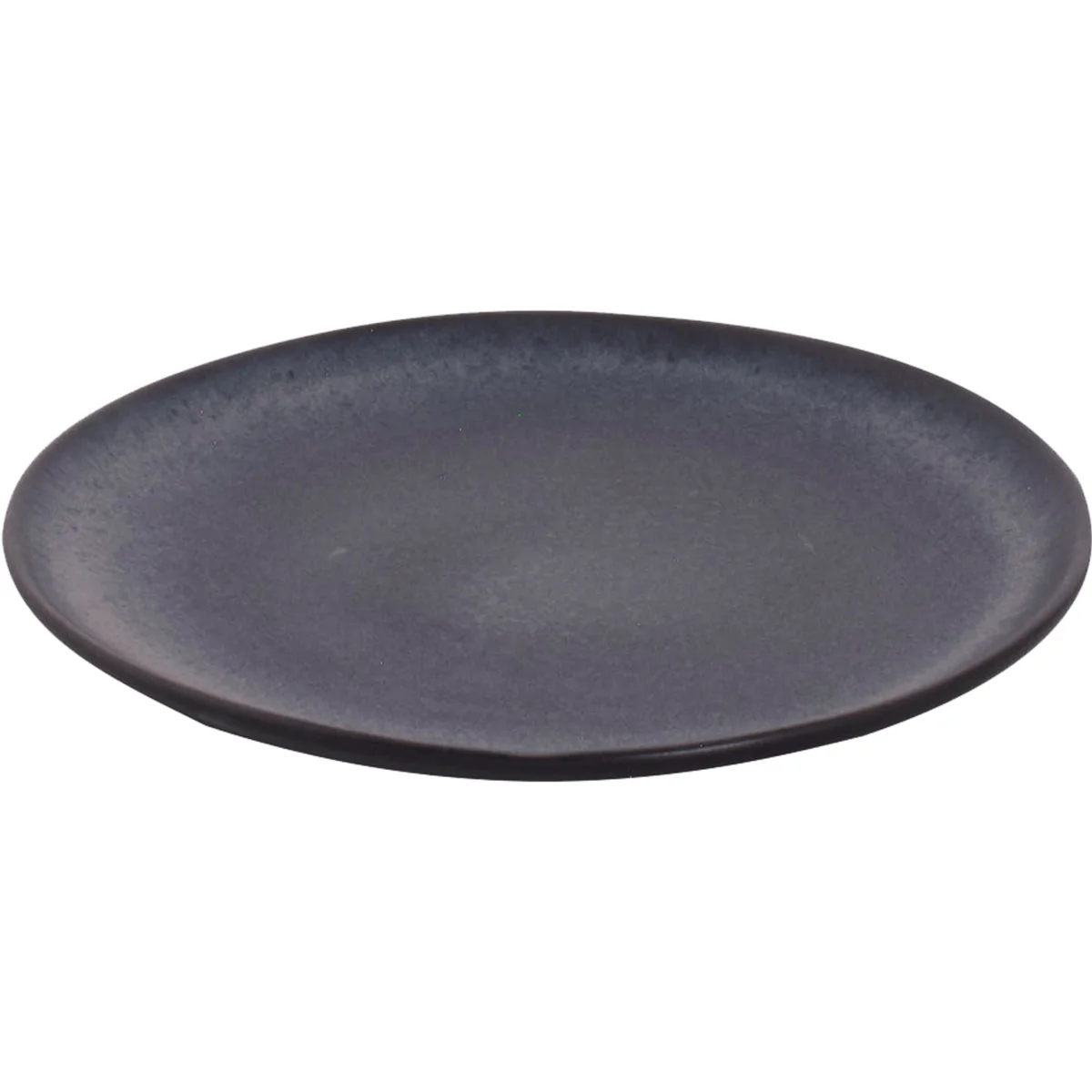
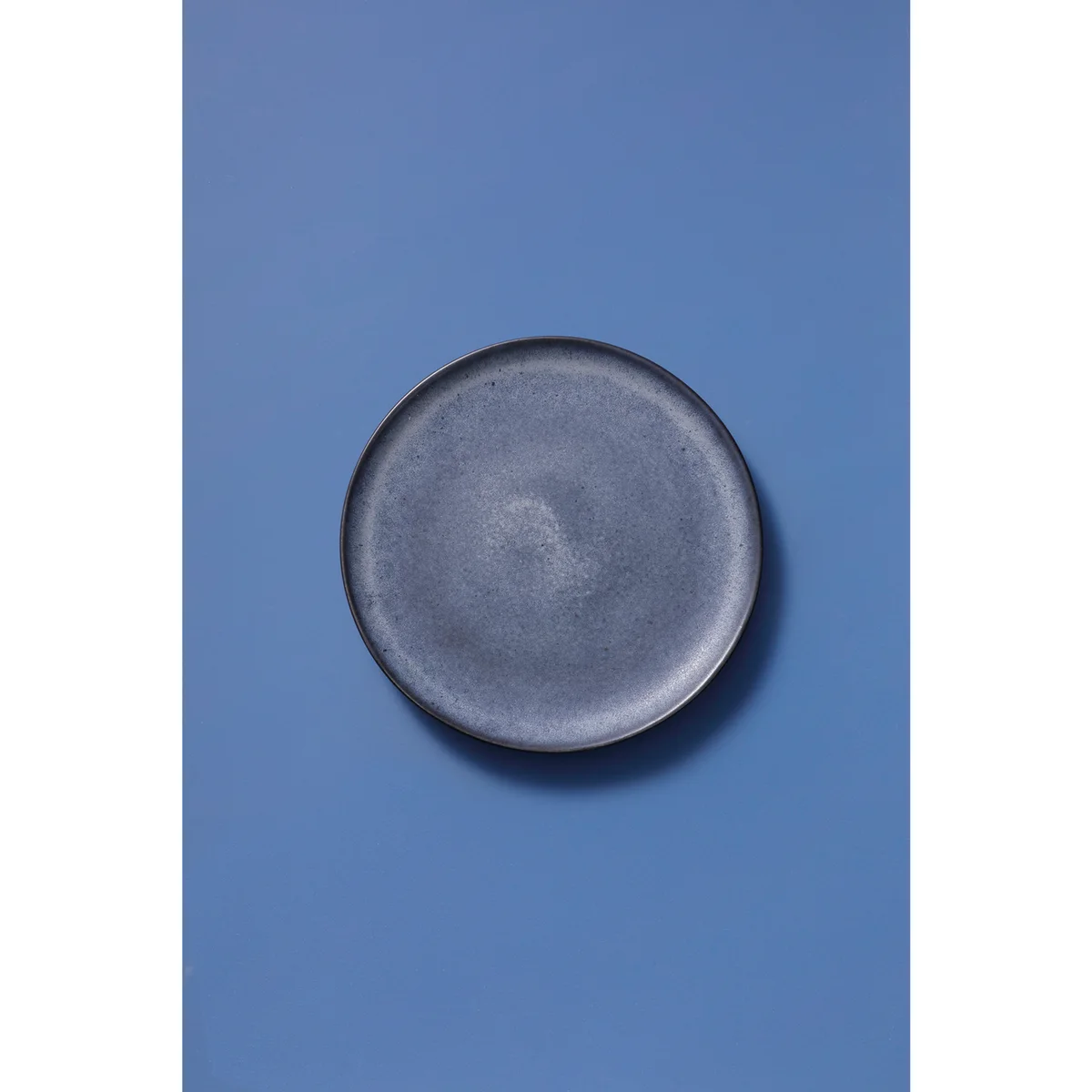
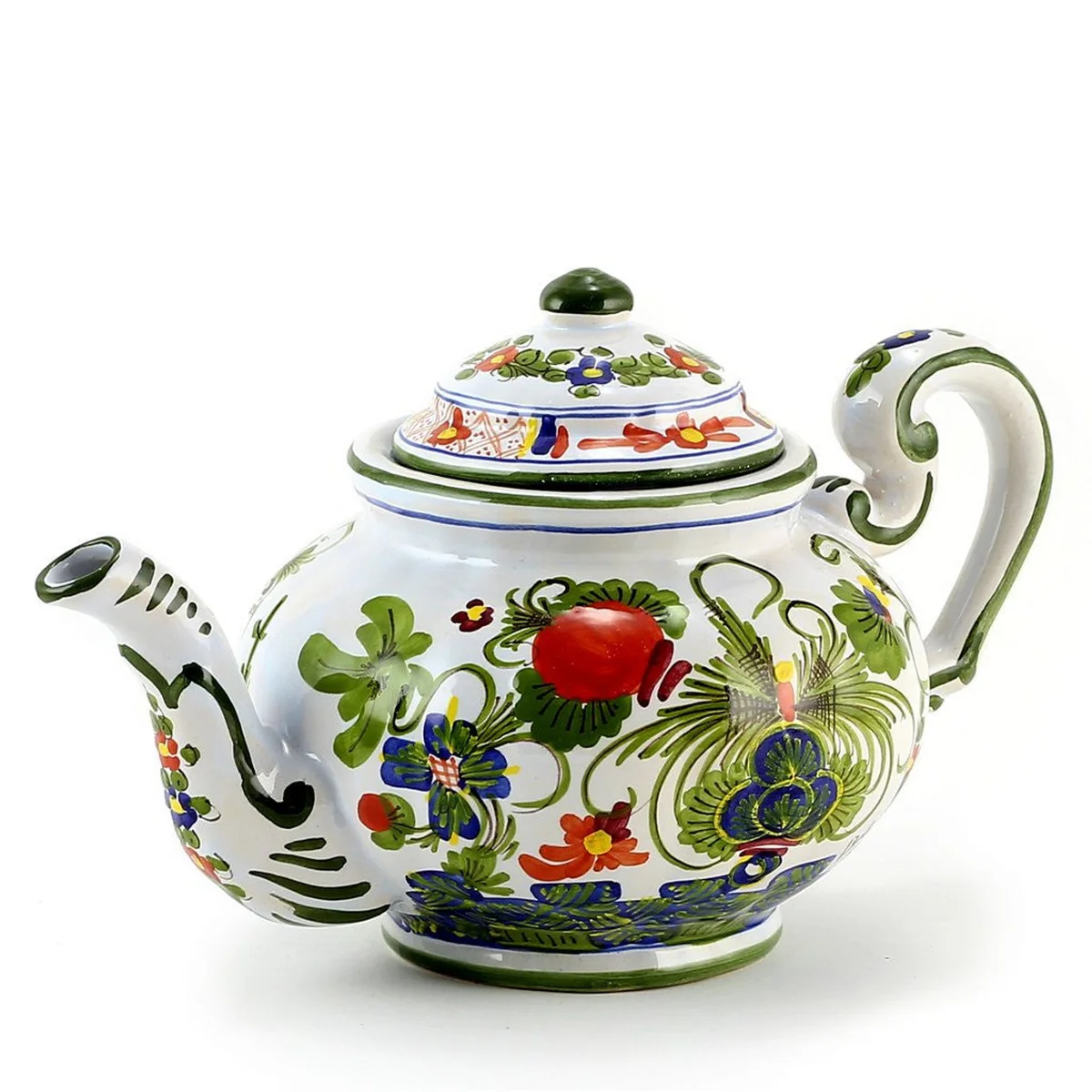
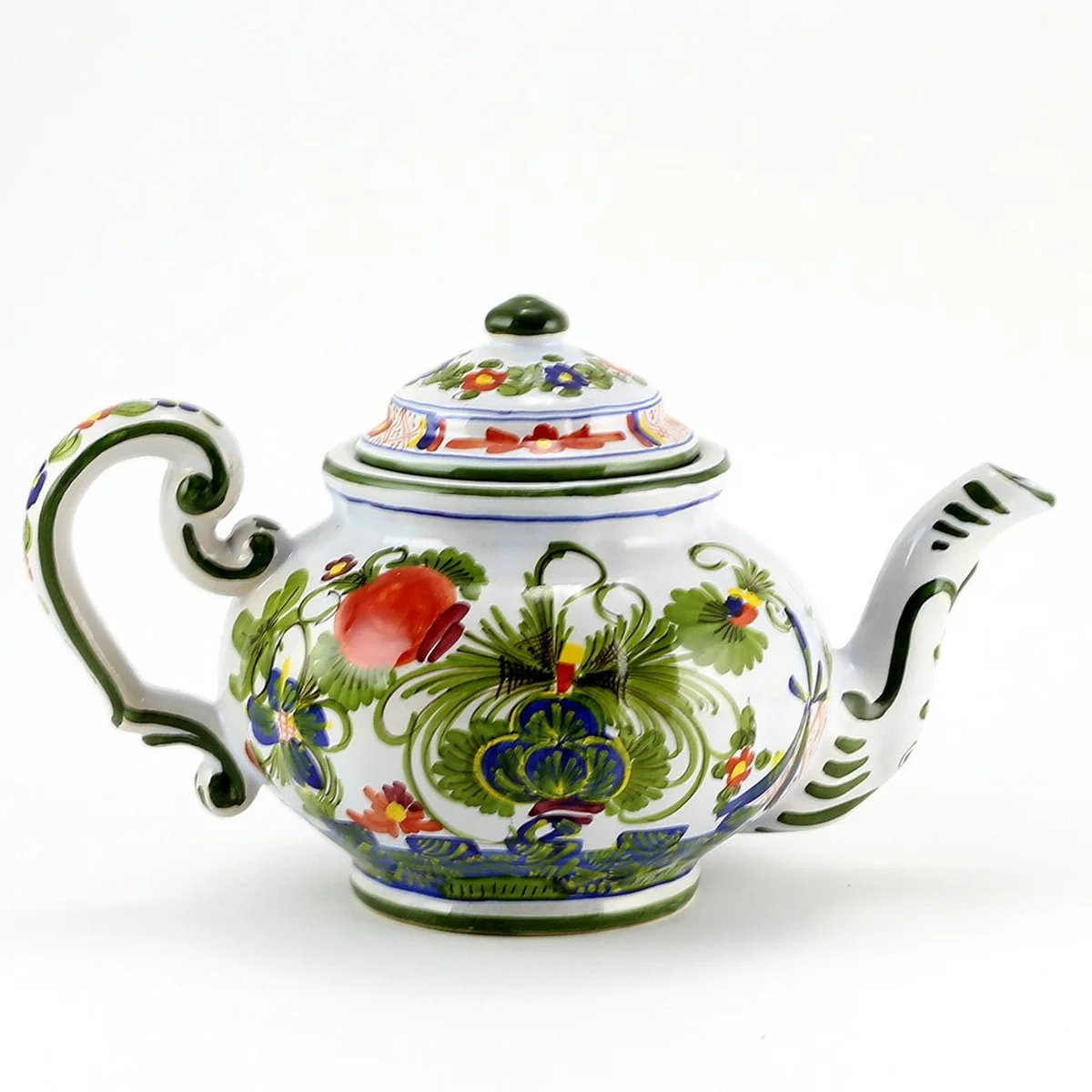
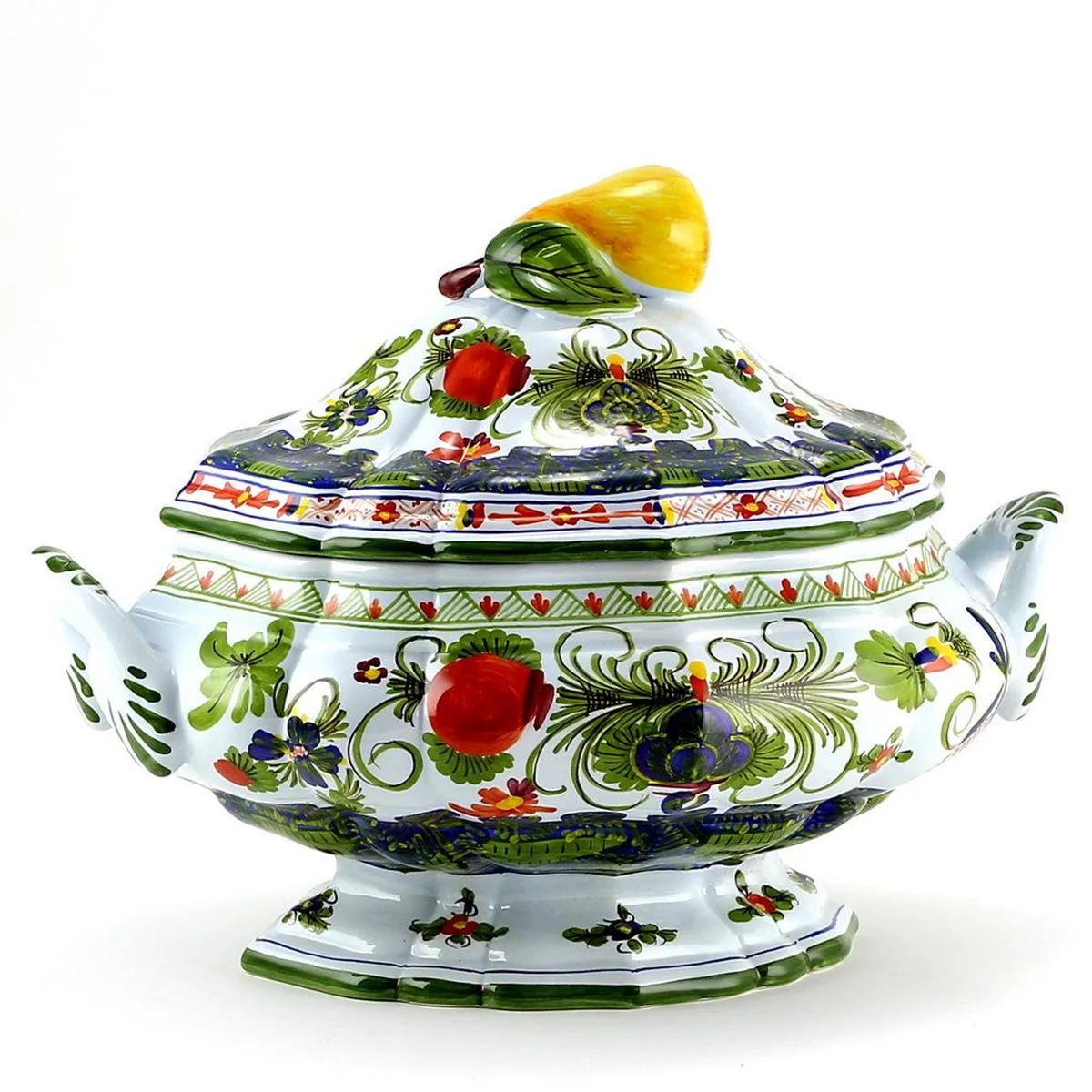
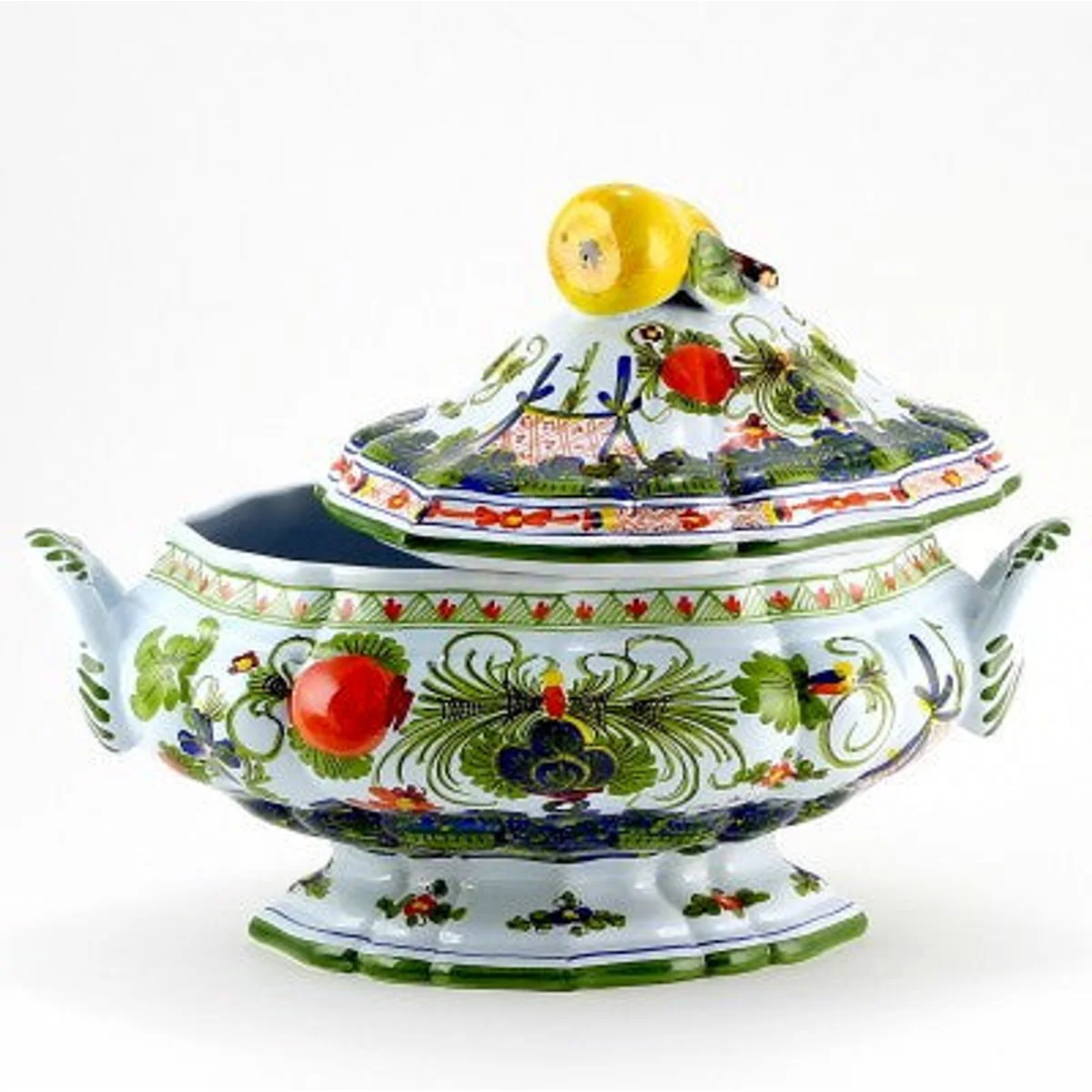
8 on the siteMatched from the words in the supplier's listing; the full material line is on each product page.
 Made in the USA
 Made in the USA

 Made in the USA
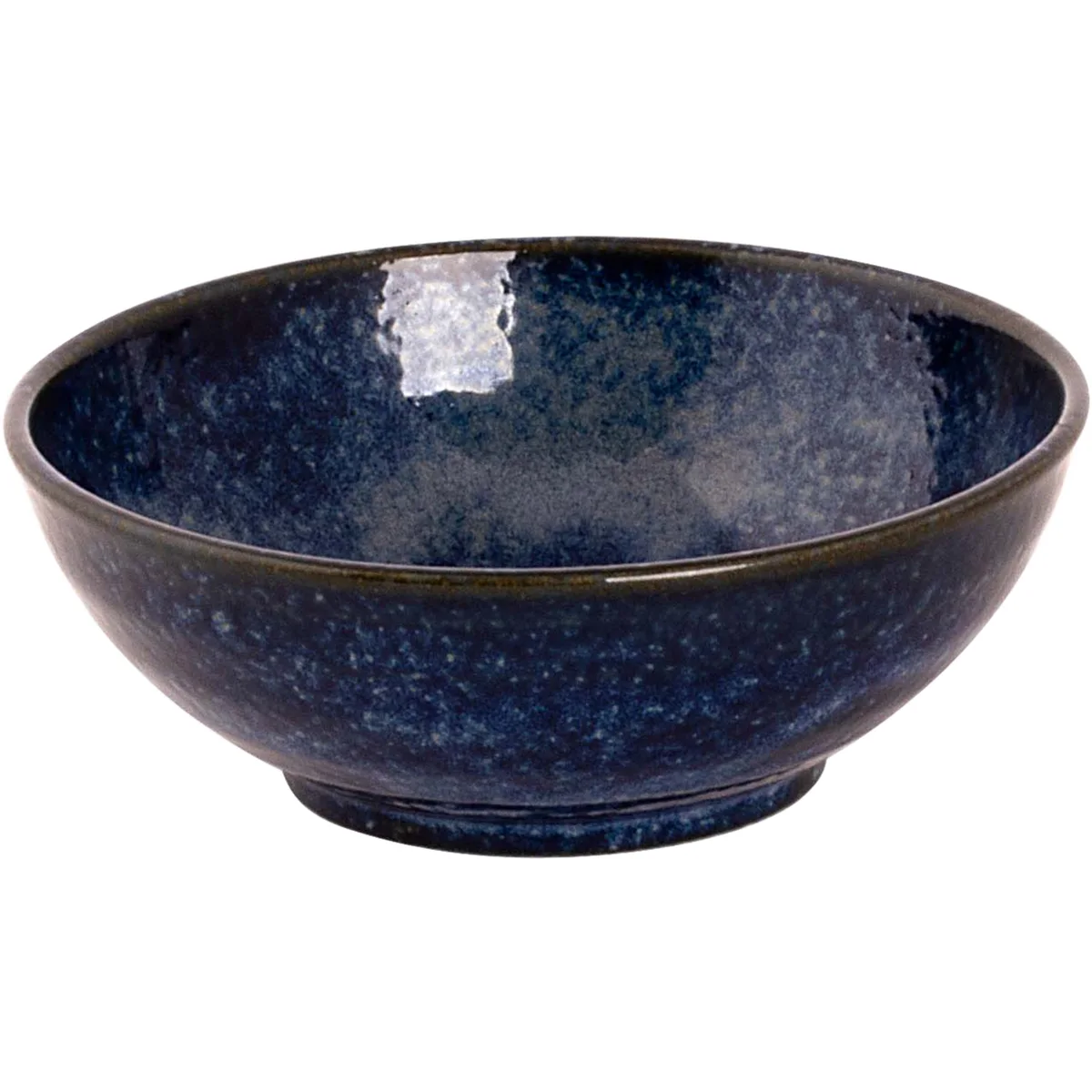
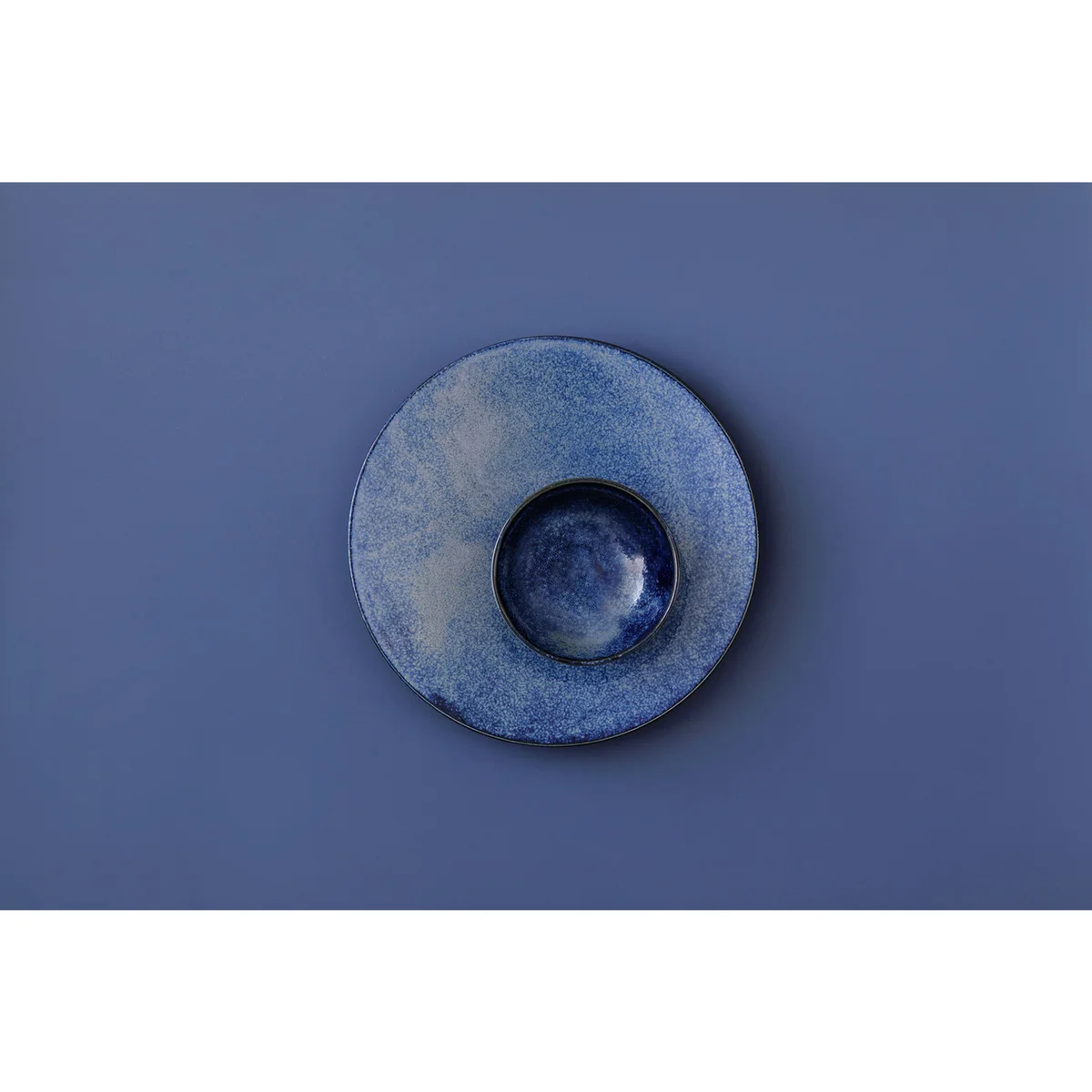

Other ceramics and glazess
Whisk & Kettle describes materials and label claims from the public record and does not test cookware; what a listing states is the supplier's statement. The FDA regulates food-contact materials and the USDA sets the food-safety figures; nothing here is medical or dietary advice.