
Materials glossary / Ceramics and glazes
Porcelain
On the box: Porcelain · Ceramics and glazes
What it is
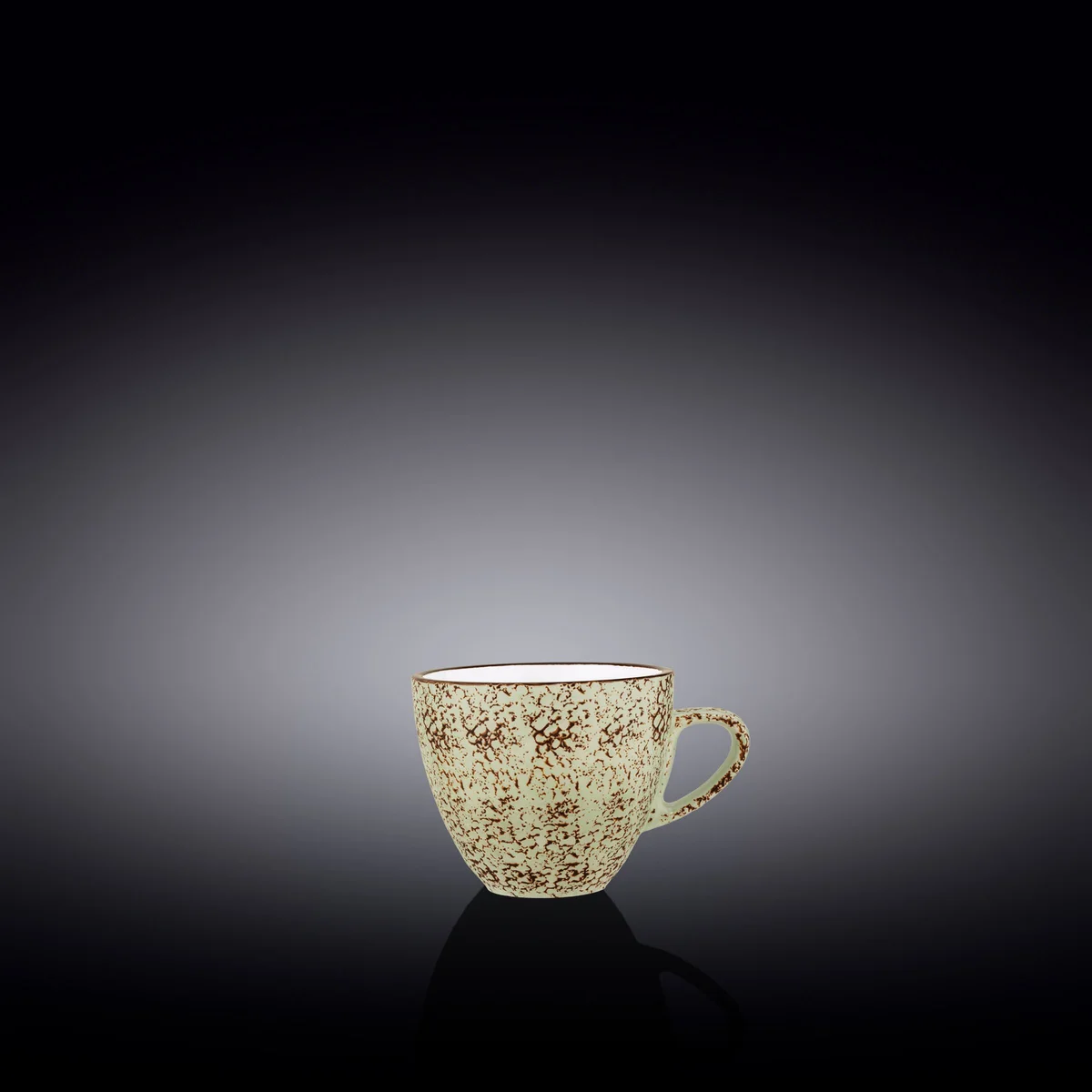
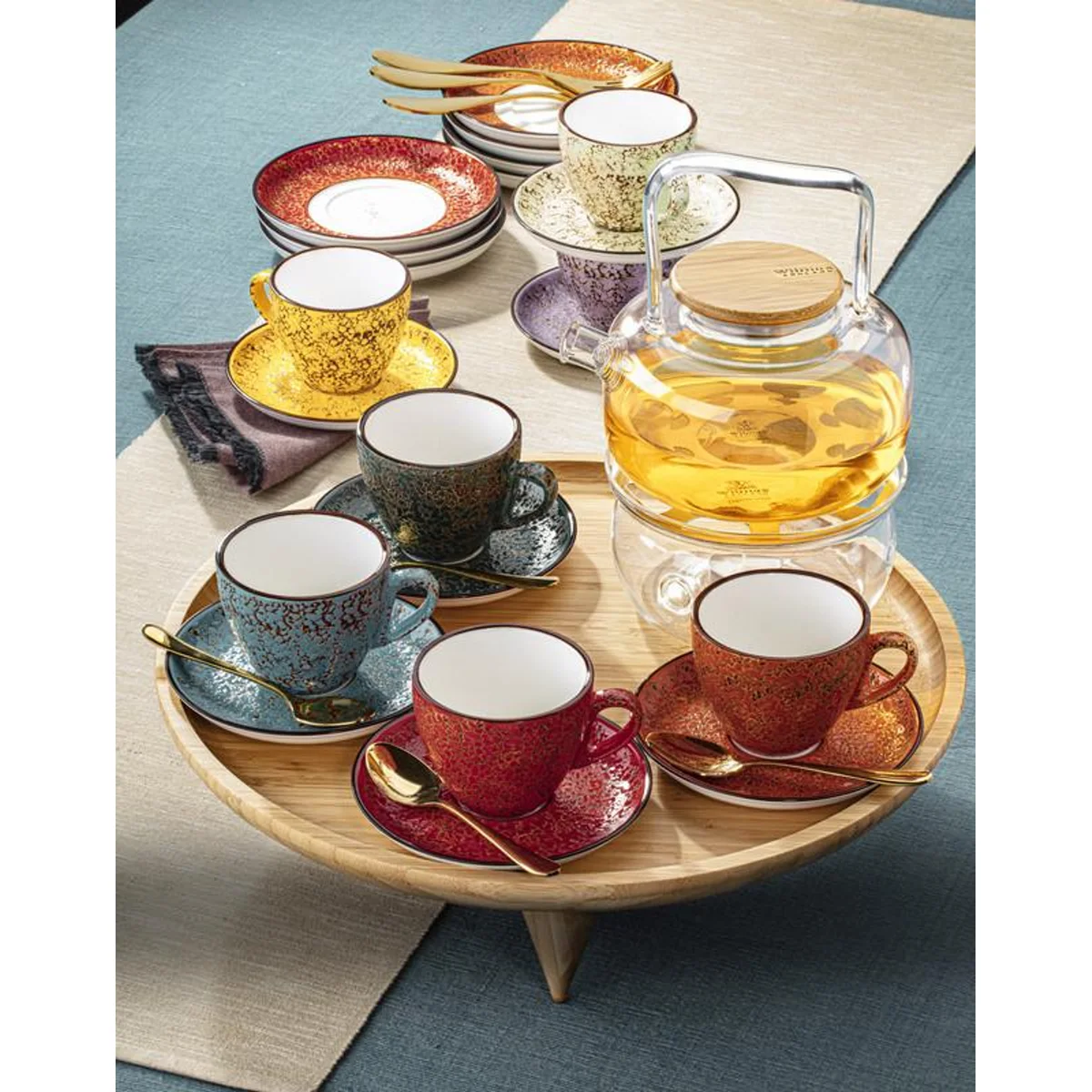
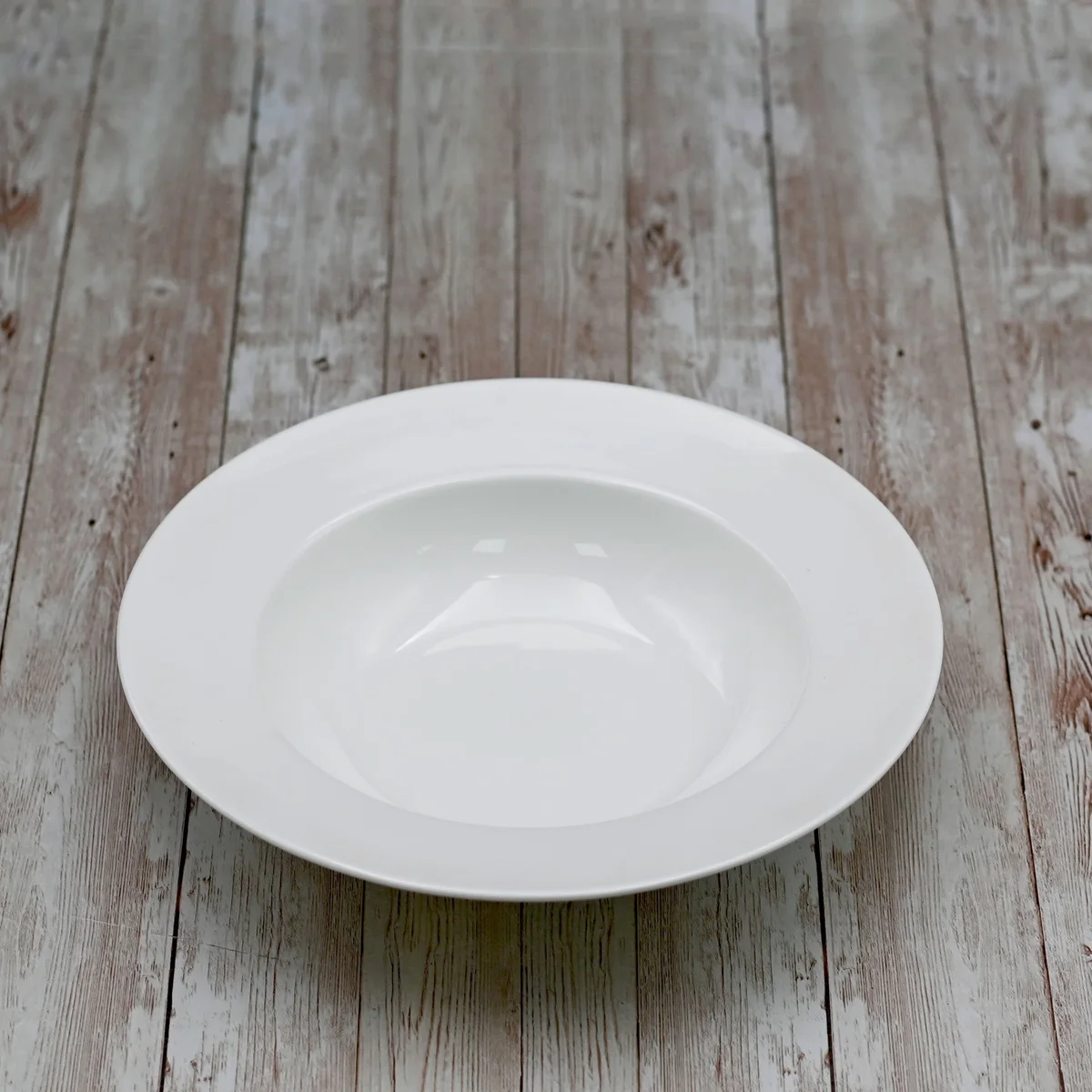
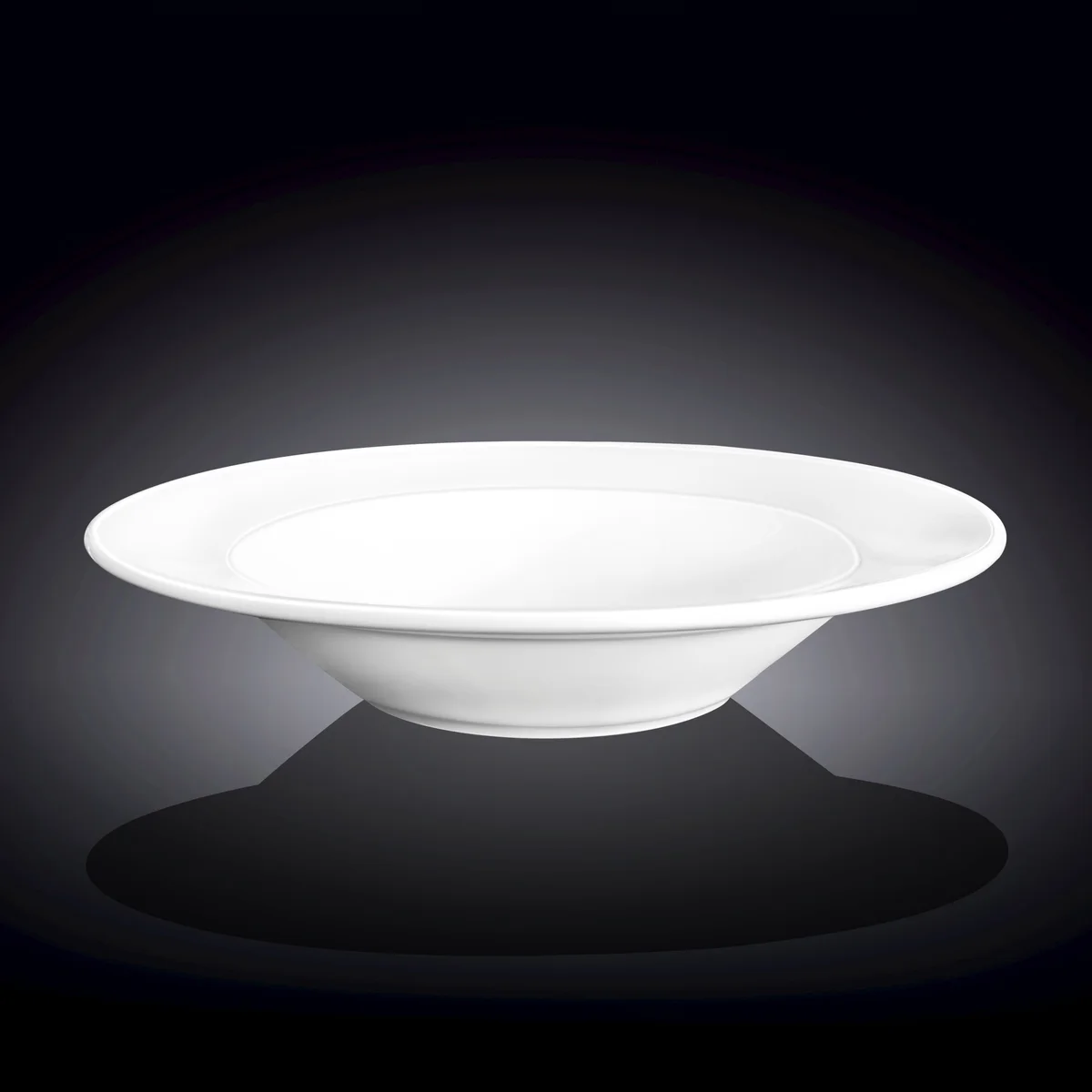
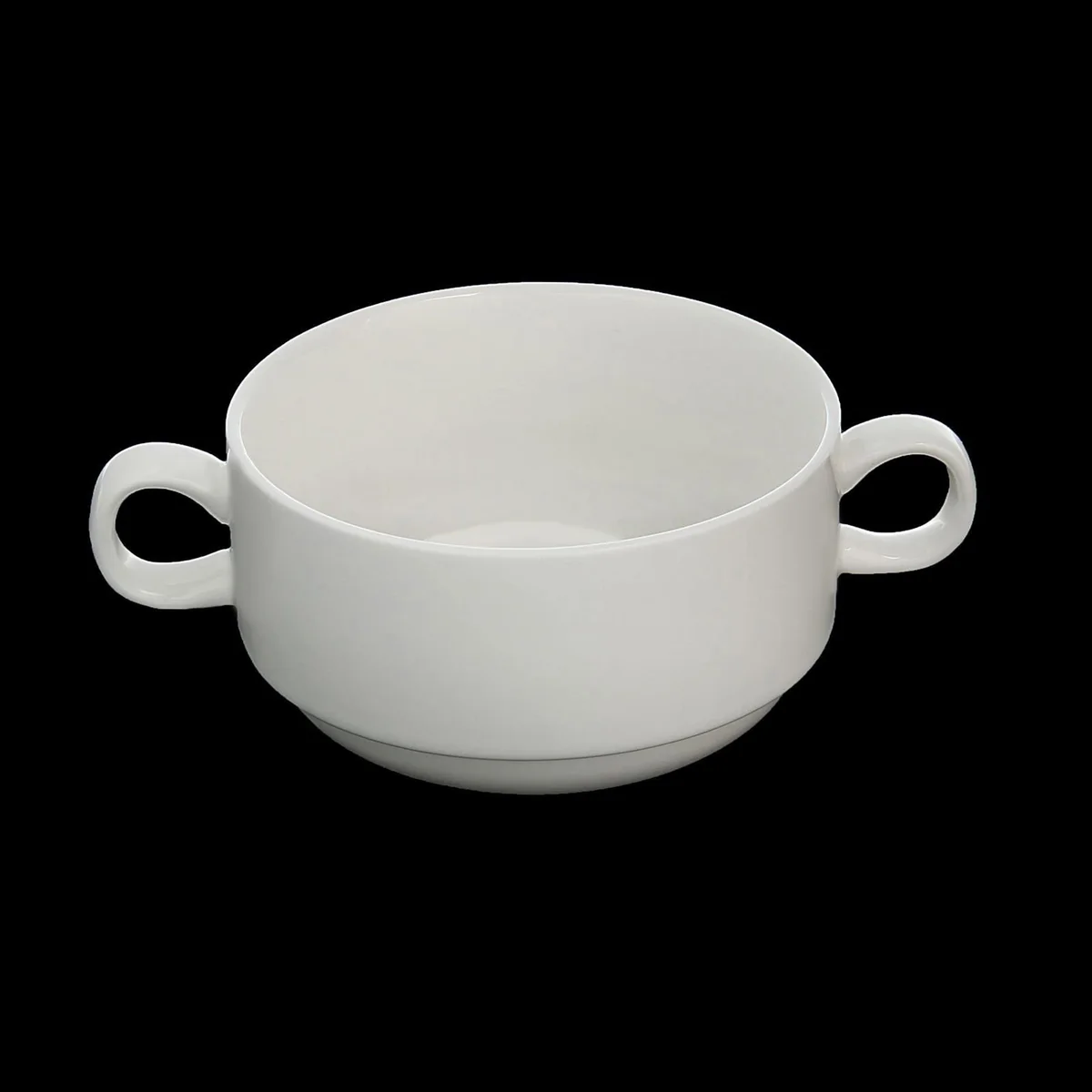
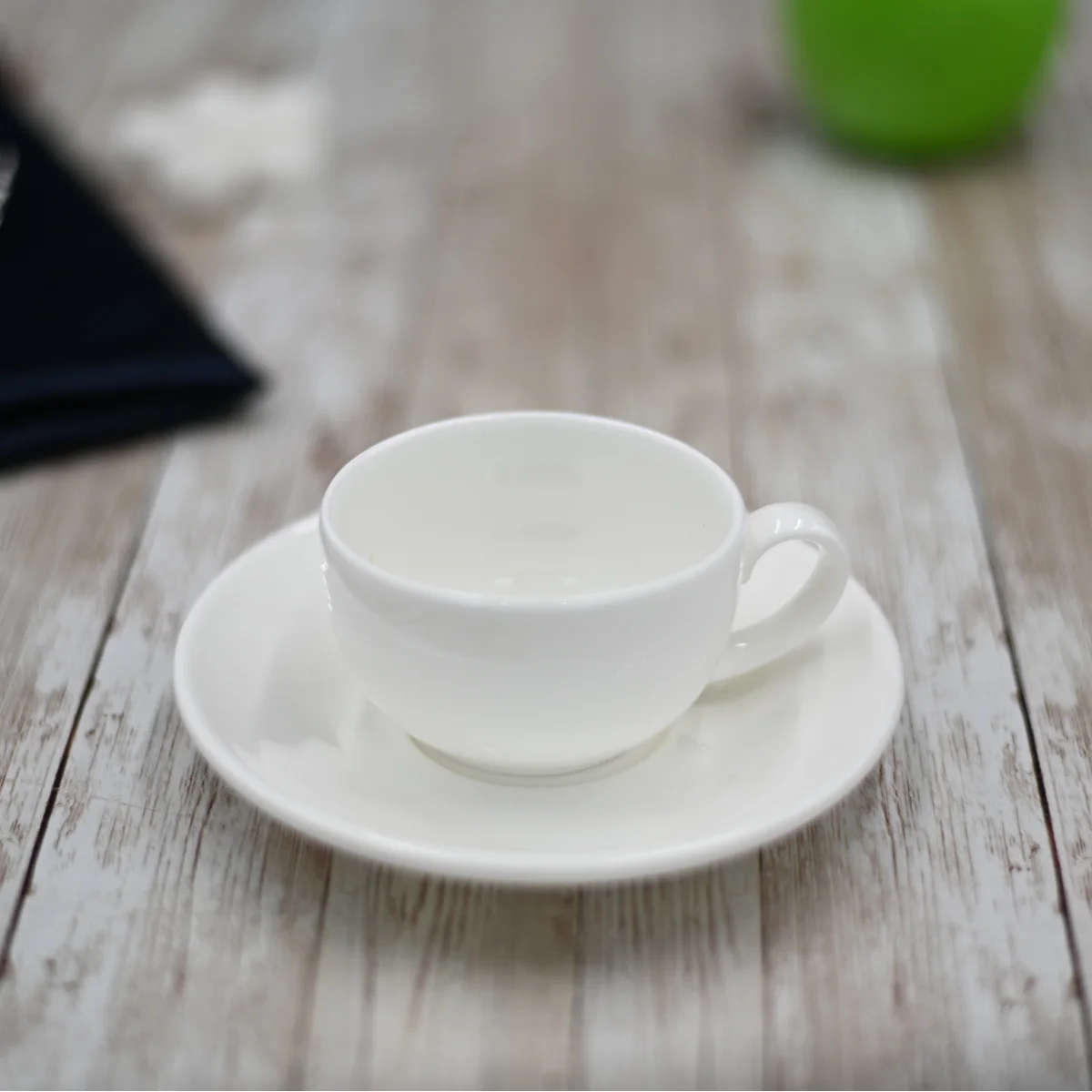
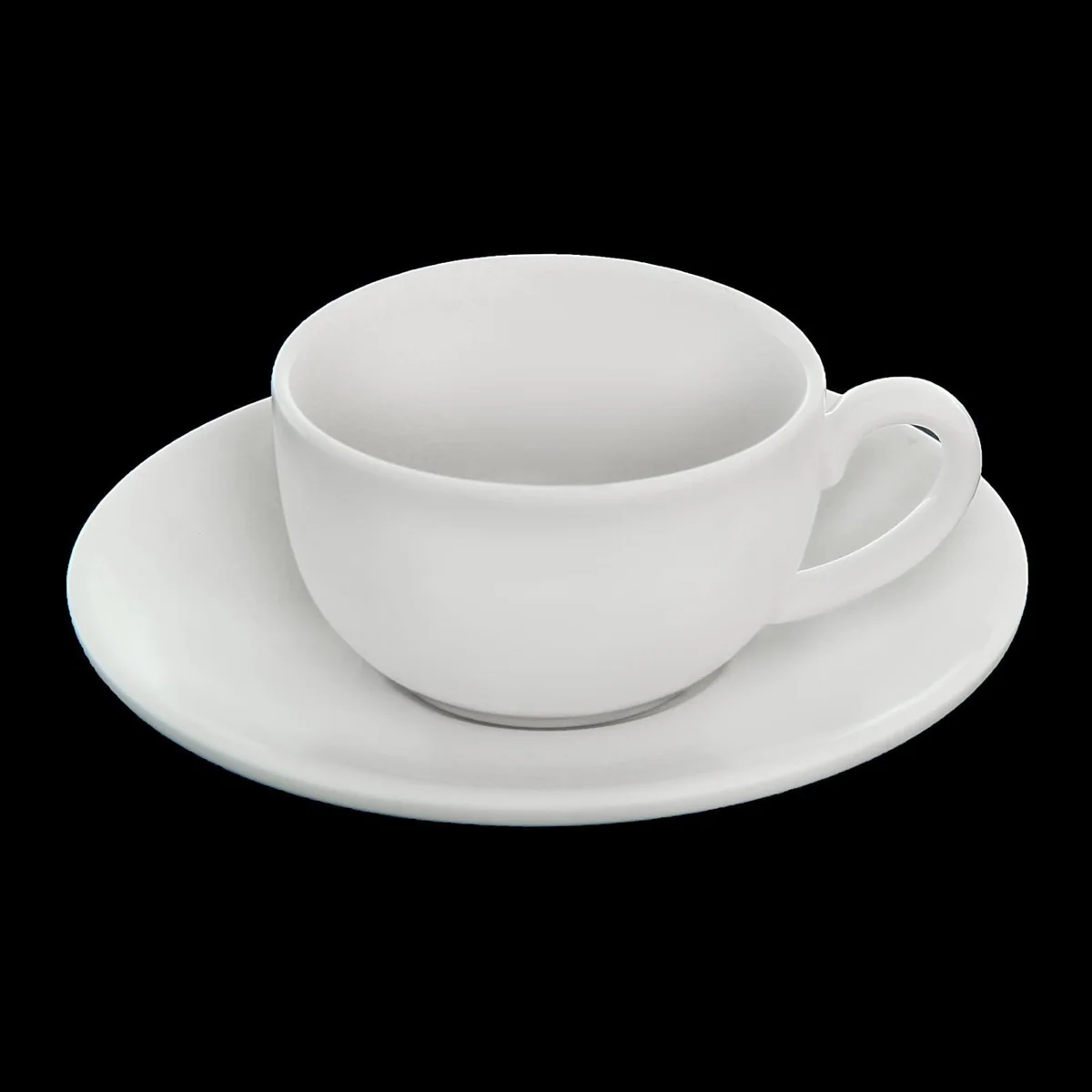
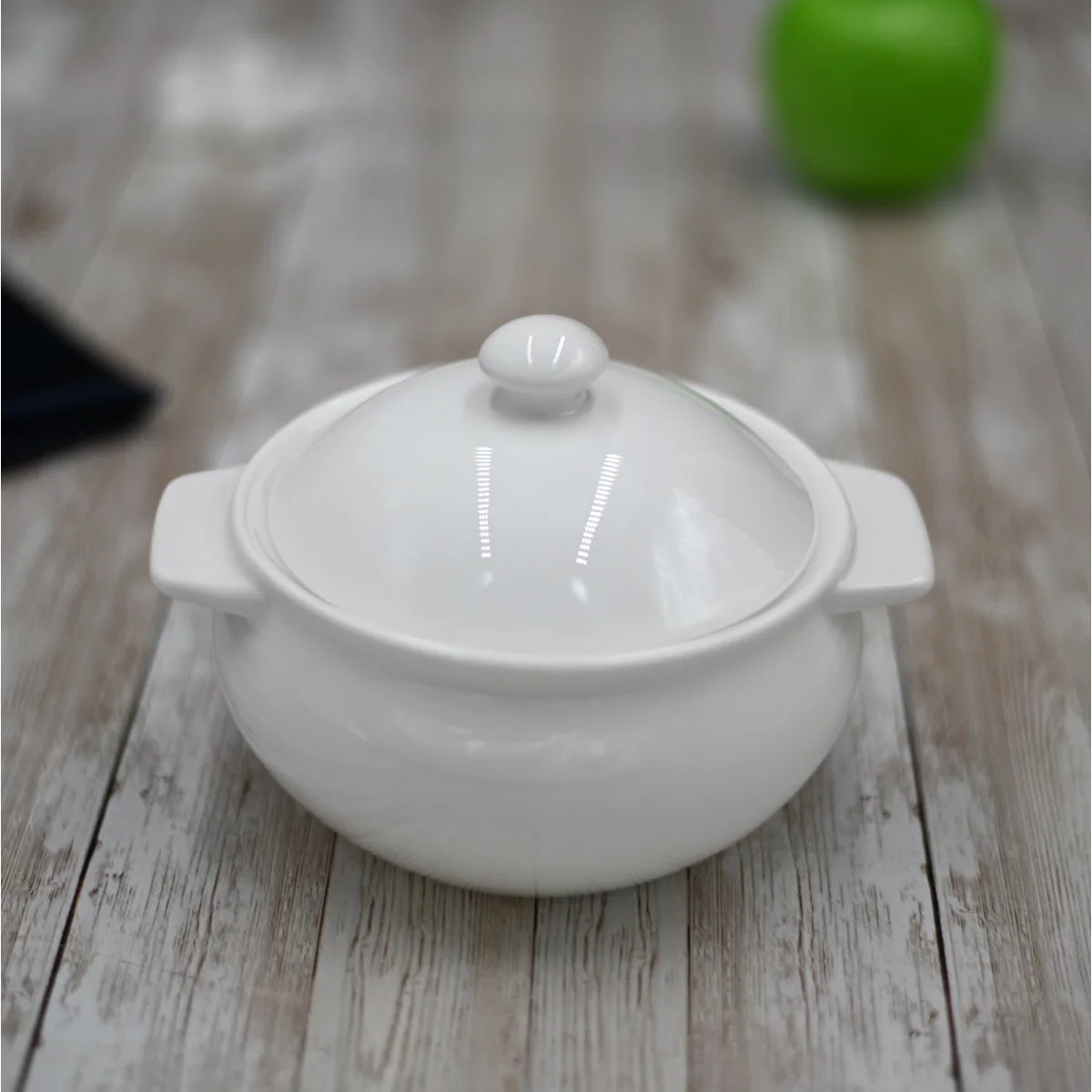
A fine white clay body (kaolin) fired very high: hard, thin, translucent at the rim, and the least porous of the clays. Takes the dishwasher and the microwave unless it carries metallic decoration.
Ceramics and glazess: Fired clay bodies and their glazes: earthenware, stoneware, porcelain, bone china. The body sets strength and porosity; the glaze is where lead and cadmium questions live, and the FDA sets limits for both.
Wikidata: Ceramic material. Q130693 →
In the research
34 PubMed papers mention it with cookware, food contact, migration or food safety; the three most recent:
- Gallstones: Physiopathology and treatment of cholelithiasis (part 1) · Journal of visceral surgery, 2026
- Food safety in the production of olive oils. Presence of heavy metals and phthalic acid esters using different types of packaging · Journal of food science and technology, 2026
- Natural radioactivity and radiological risk assessment in household meal dishes available in Erbil city, Kurdistan Region Iraq · Applied radiation and isotopes : including data, instrumentation and methods for, 2025
A paper is a paper, not a verdict: titles are listed so you can read them, and a study on one fabric or one filter says little about the pan on your stove.
Products whose listing names it
12 on the siteMatched from the words in the supplier's listing; the full material line is on each product page.
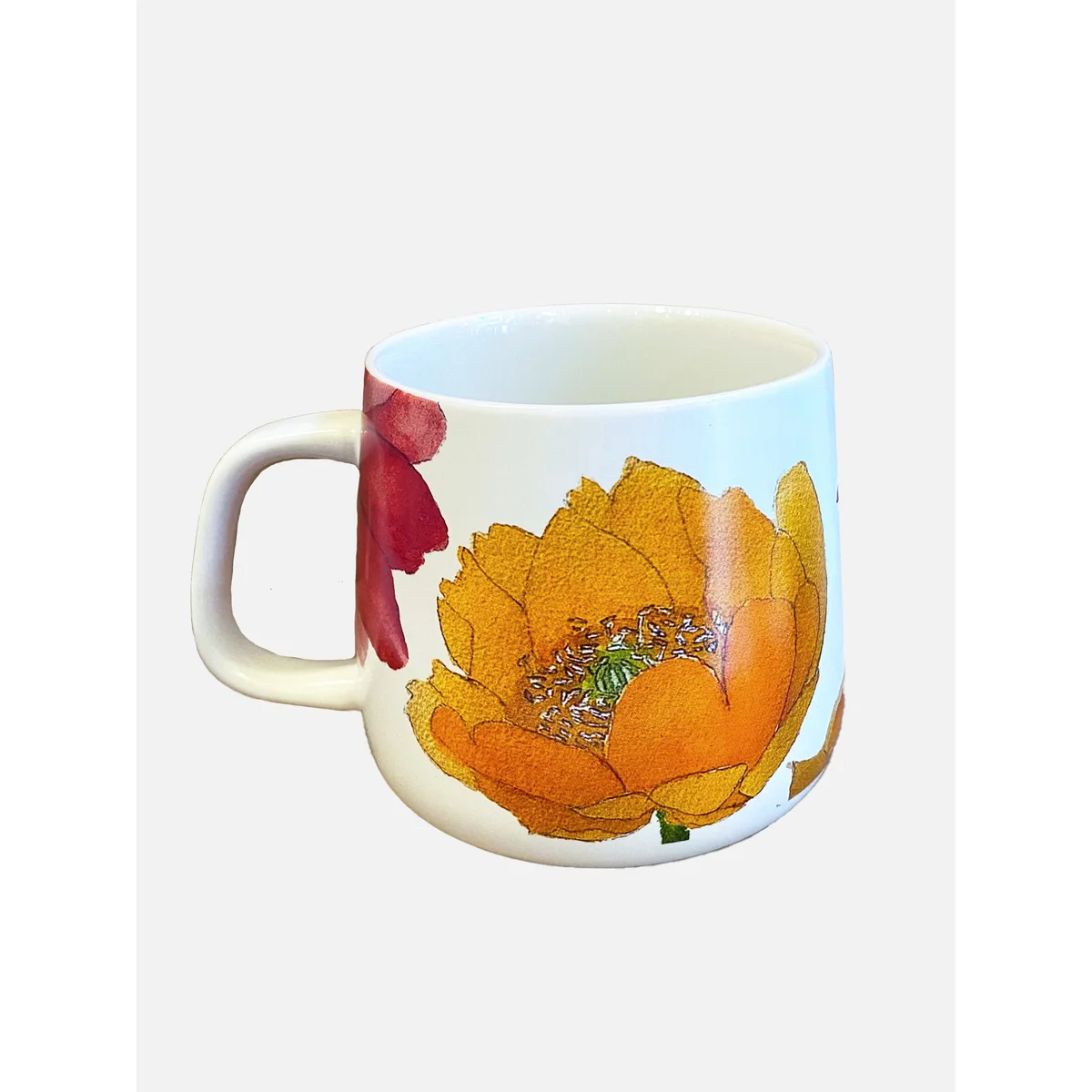 Made in the USA


Other ceramics and glazess
Whisk & Kettle describes materials and label claims from the public record and does not test cookware; what a listing states is the supplier's statement. The FDA regulates food-contact materials and the USDA sets the food-safety figures; nothing here is medical or dietary advice.