
Materials glossary / Ceramics and glazes
Vitrified
On the box: Vitrified · Ceramics and glazes
What it is
Fired to the point the clay fuses into a glassy, non-porous body. The reason stoneware and porcelain do not absorb water or stains while earthenware does.
Ceramics and glazess: Fired clay bodies and their glazes: earthenware, stoneware, porcelain, bone china. The body sets strength and porosity; the glaze is where lead and cadmium questions live, and the FDA sets limits for both.
Wikidata: Clay and shale pipe. Q7937239 →
In the research
86 PubMed papers mention it with cookware, food contact, migration or food safety; the three most recent:
- Efficient vitrification of hazardous waste incineration fly ash and slag via the CaO-SiO(2)-Fe(2)O(3) system · Environmental research, 2026
- Alkali-activated magnetic red mud for Sr(2+) adsorption and microwave vitrification into stable iron phosphate glass · Journal of environmental management, 2026
- Phase-separated resource utilization of municipal solid waste incineration fly ash and iron ore tailings via a co-reduction process · Journal of hazardous materials, 2026
A paper is a paper, not a verdict: titles are listed so you can read them, and a study on one fabric or one filter says little about the pan on your stove.
Products whose listing names it
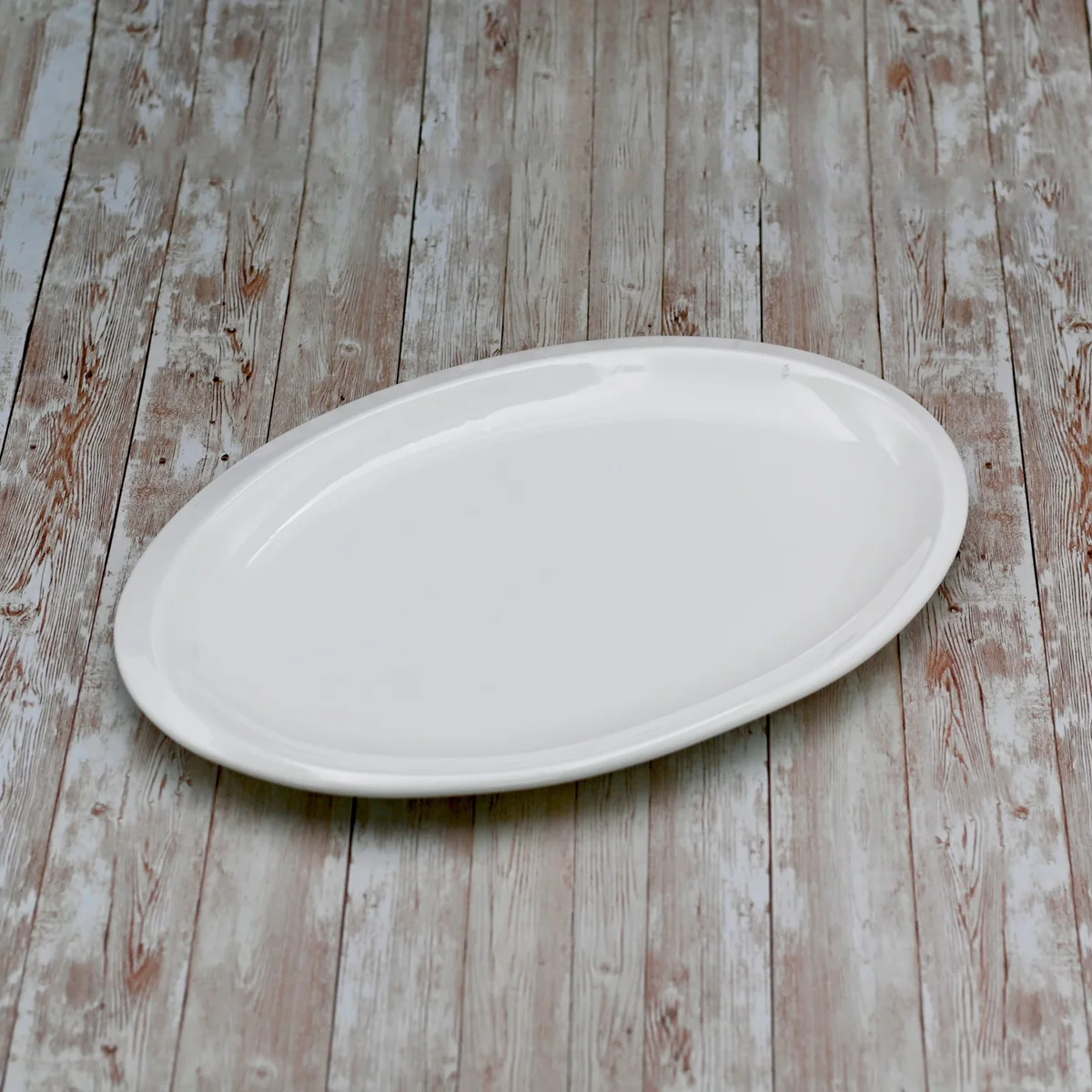
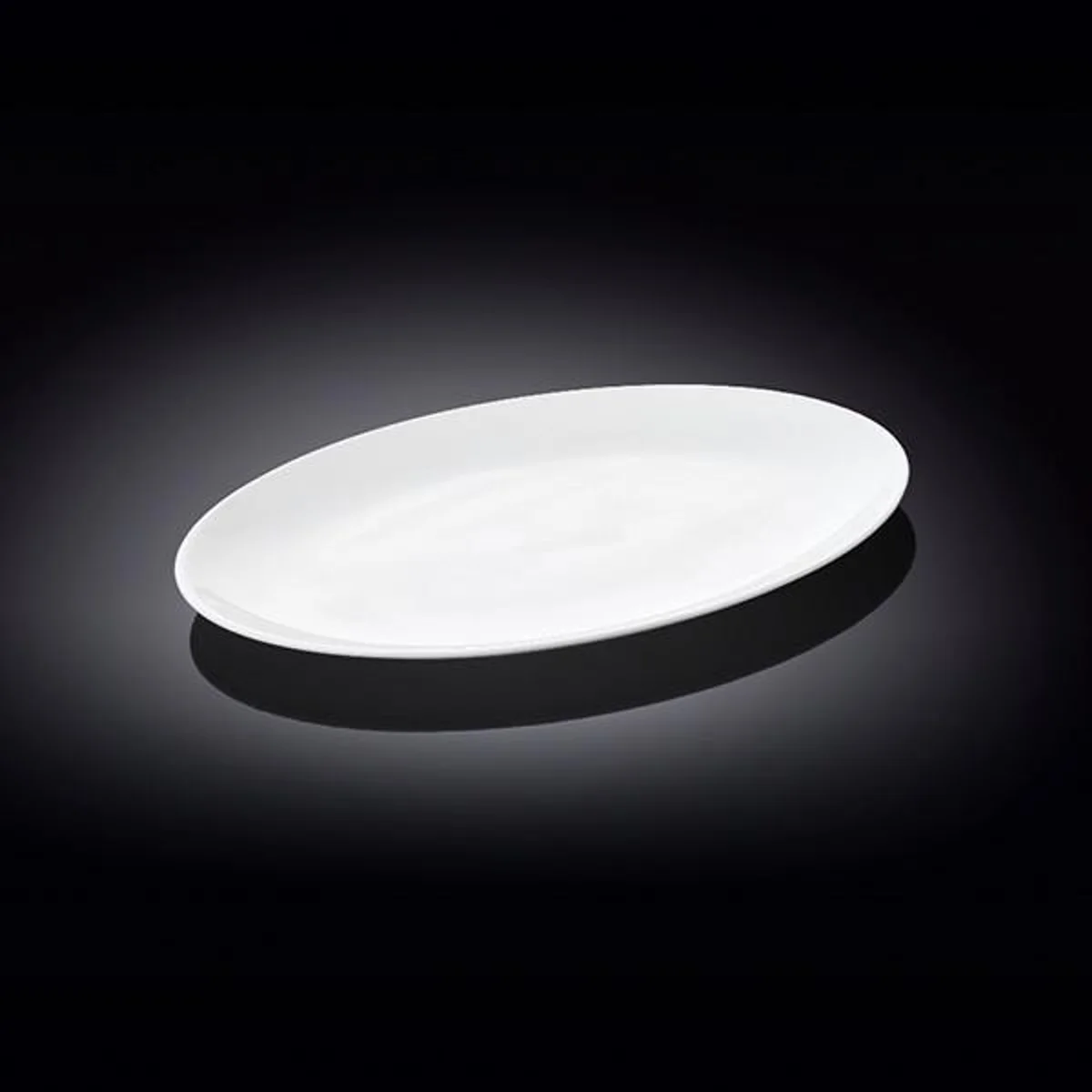
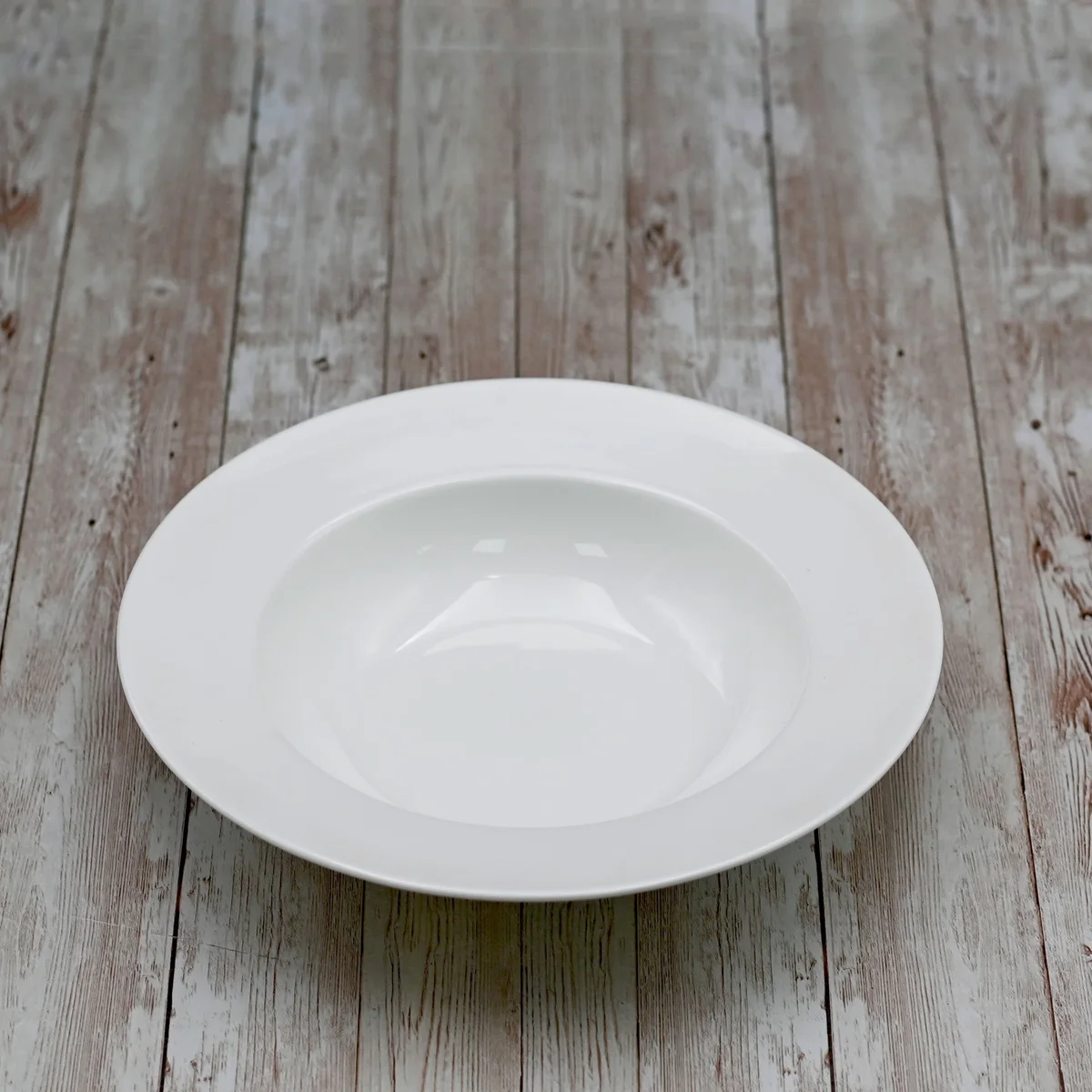
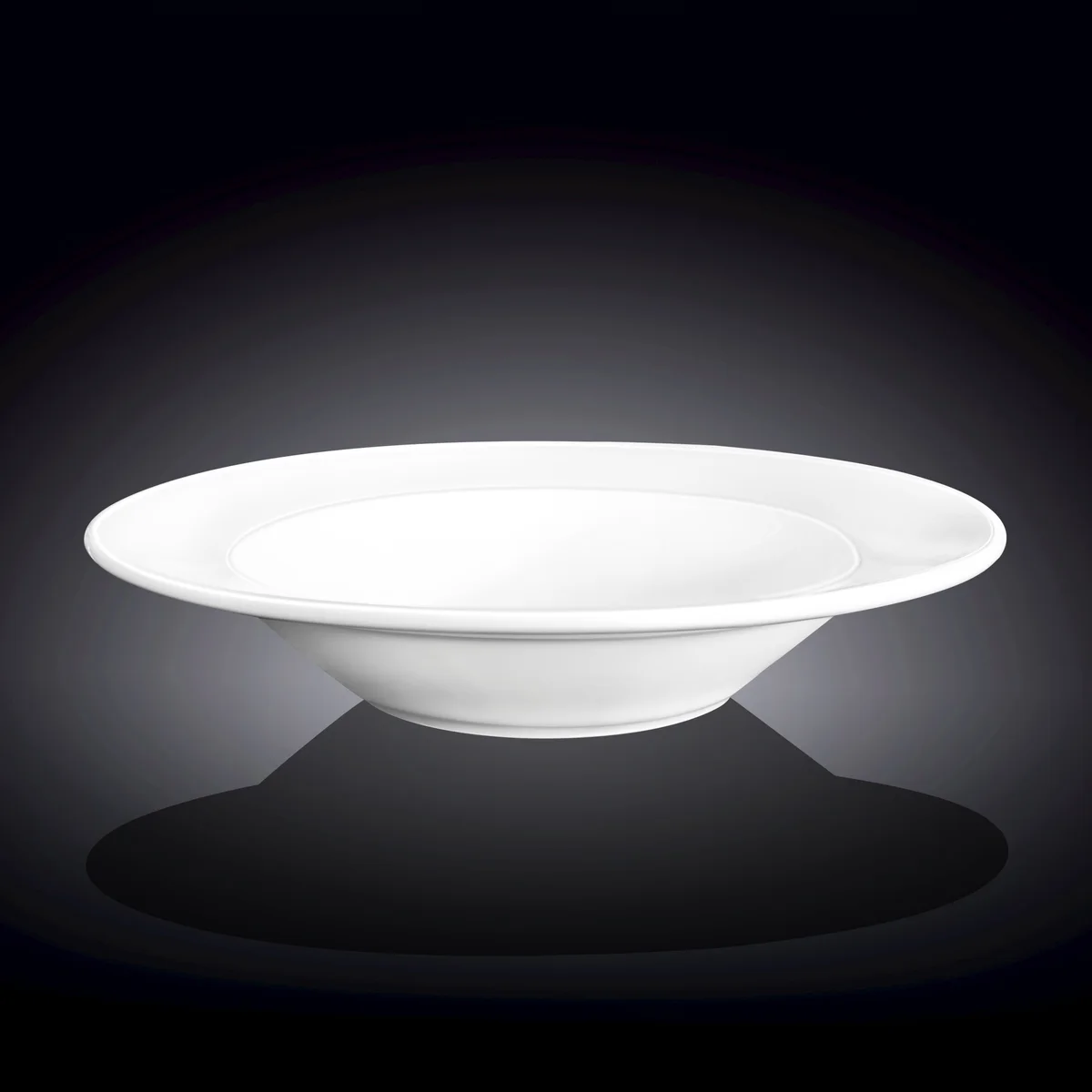
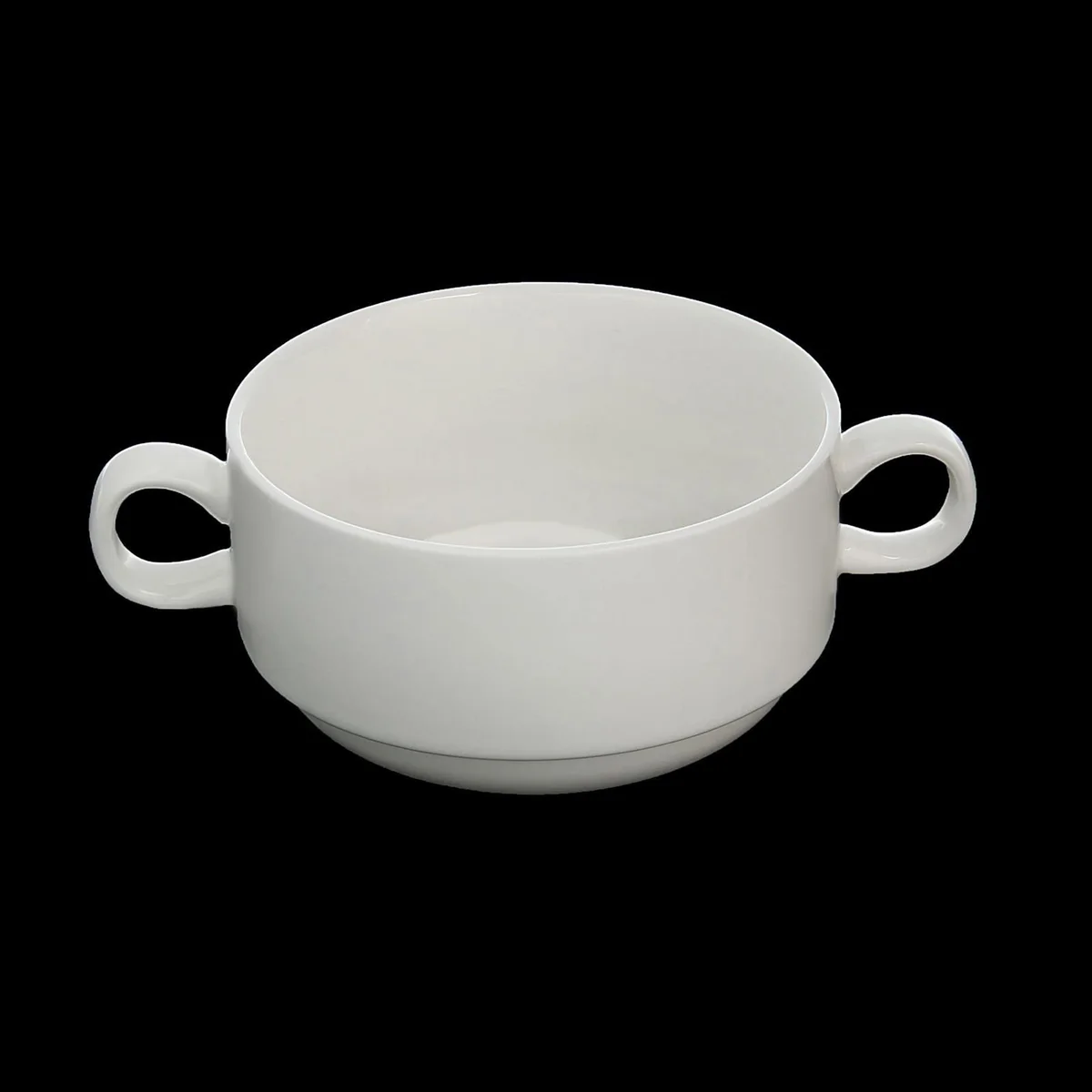
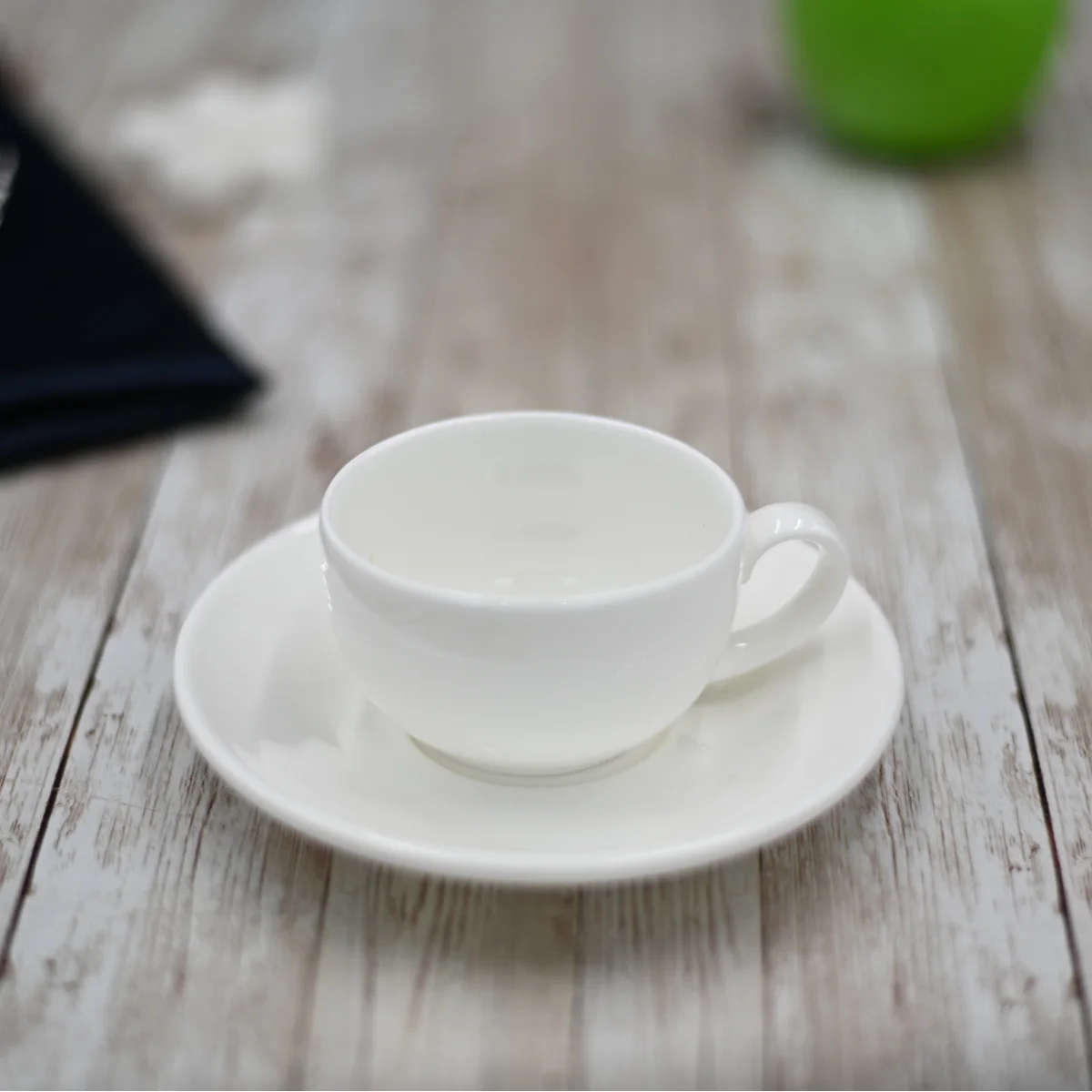
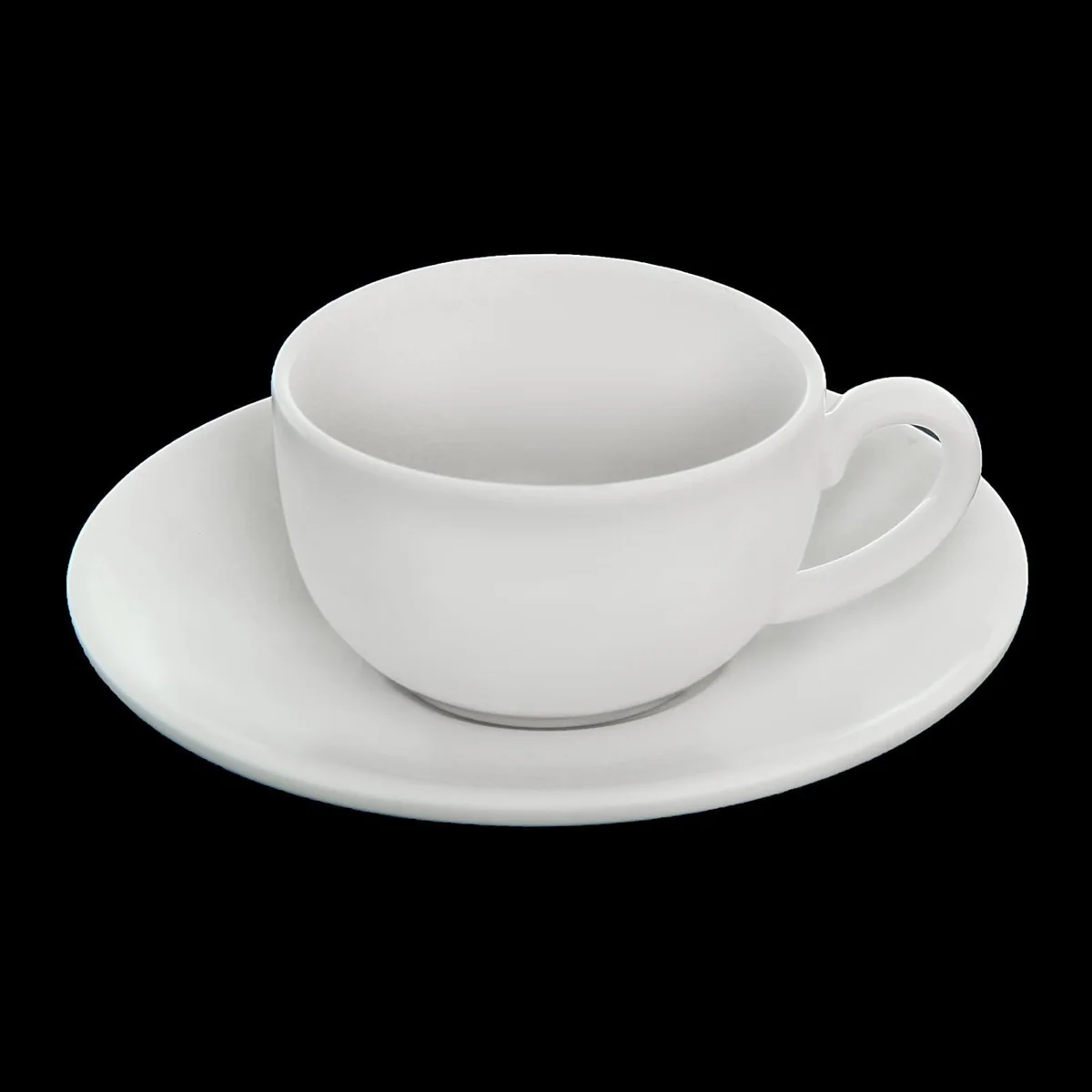
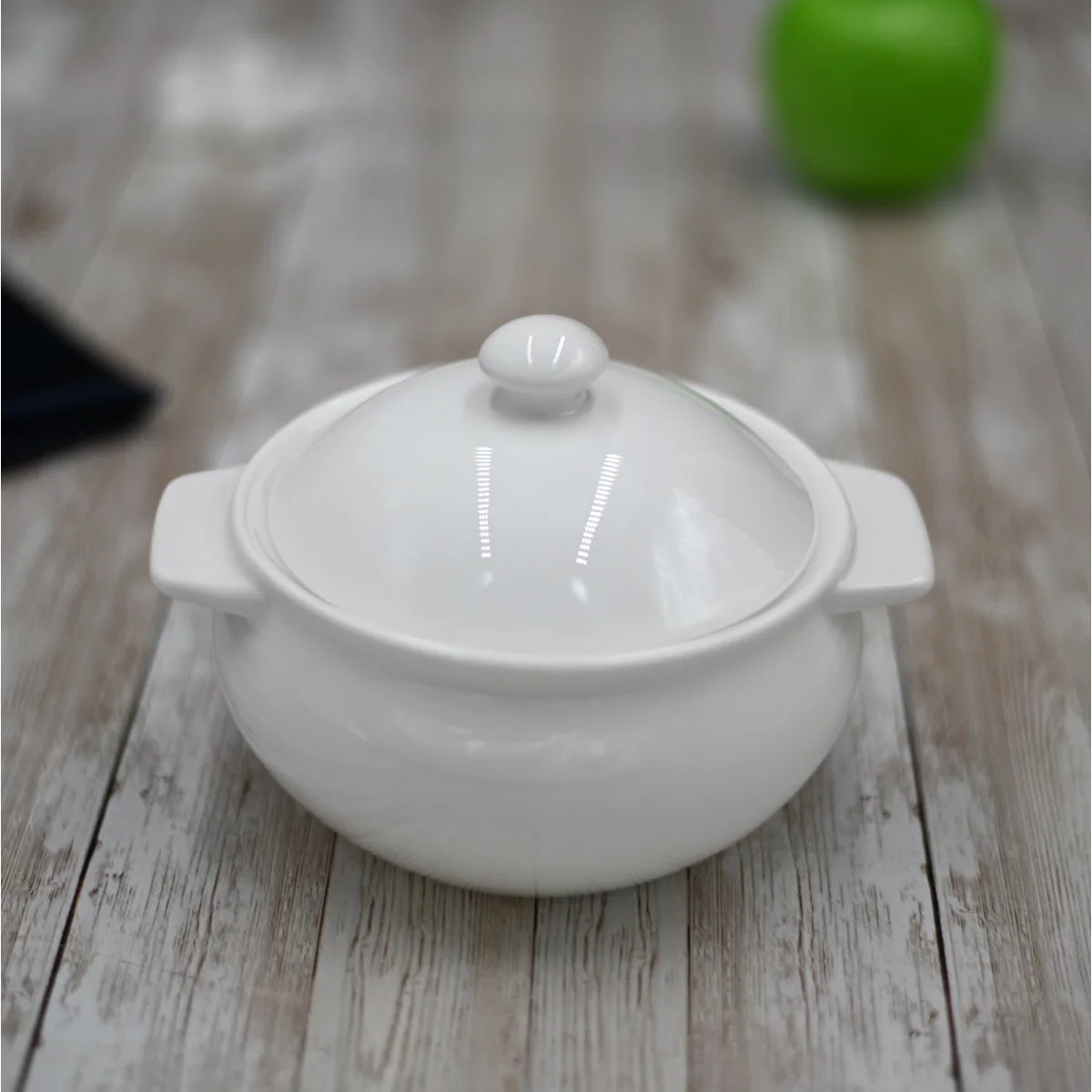
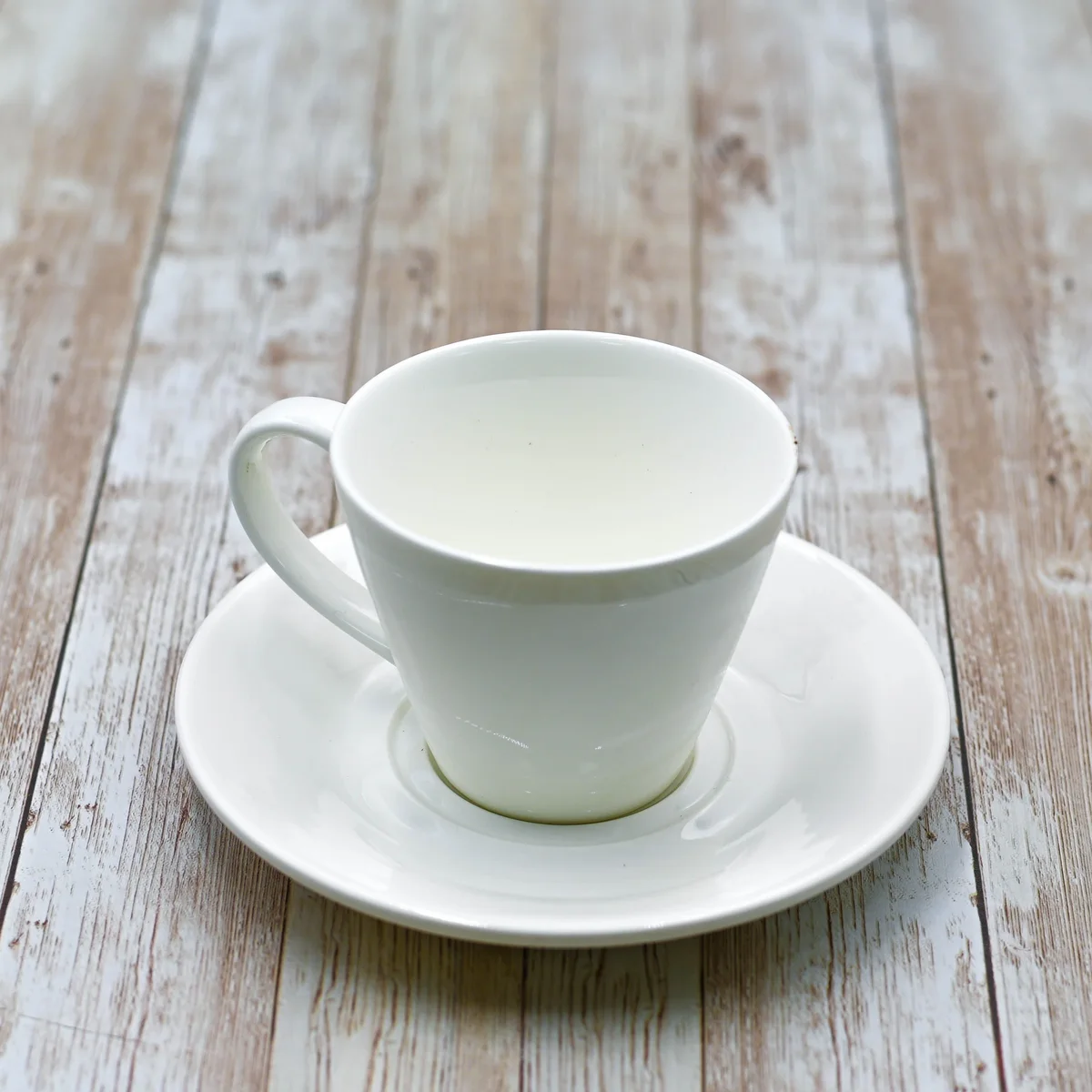
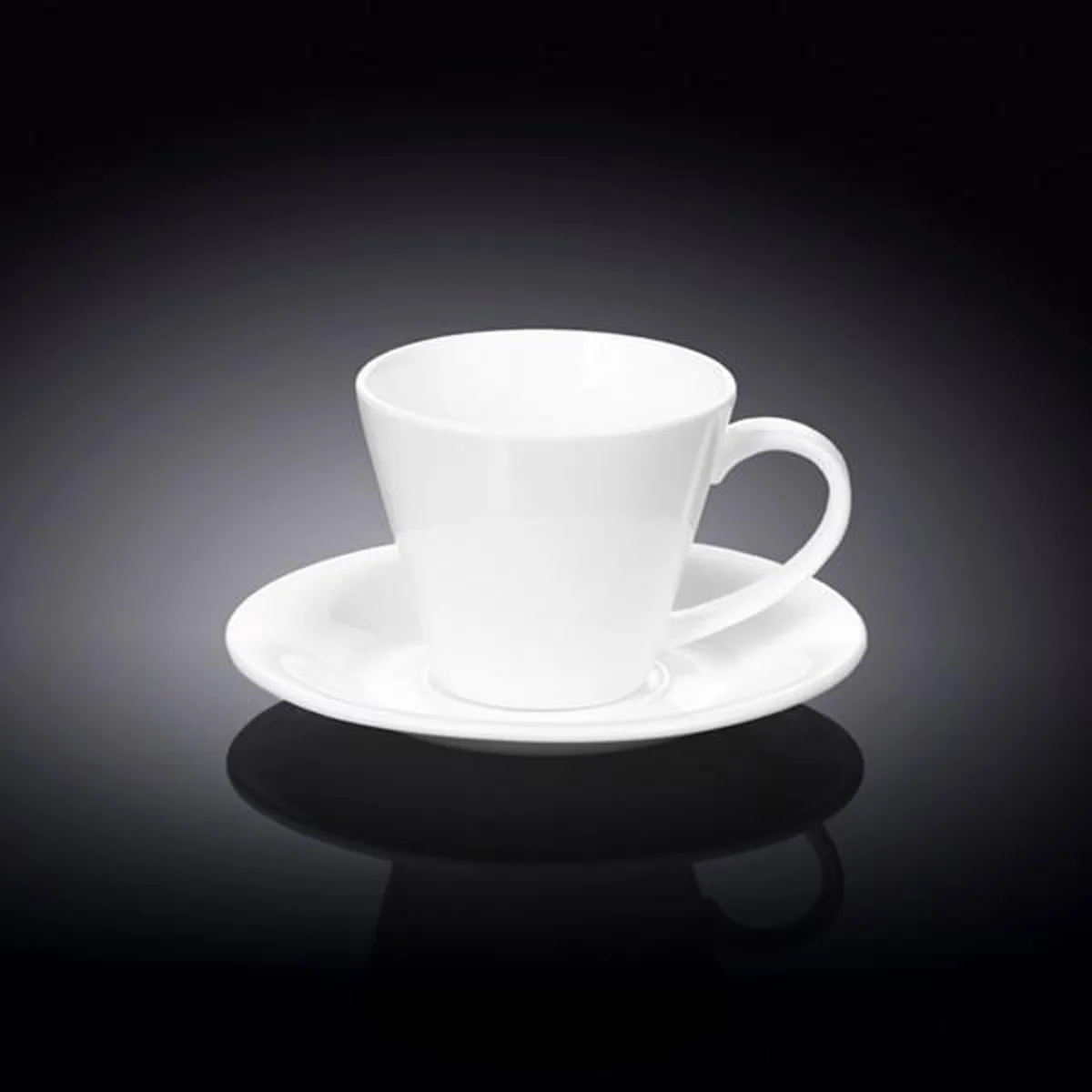
7 on the siteMatched from the words in the supplier's listing; the full material line is on each product page.




Other ceramics and glazess
Whisk & Kettle describes materials and label claims from the public record and does not test cookware; what a listing states is the supplier's statement. The FDA regulates food-contact materials and the USDA sets the food-safety figures; nothing here is medical or dietary advice.